

Essential oils are highly volatile aromatic oily liquids derived from plant secondary metabolites. They are typically extracted using specific methods such as steam distillation or pressing, representing the "volatile essence" of plants. Their core characteristics are the volatility of their components and their rich aroma. For example, natural ginger oil, obtained through distillation, is a typical example of a volatile essence extracted from the roots and stems.
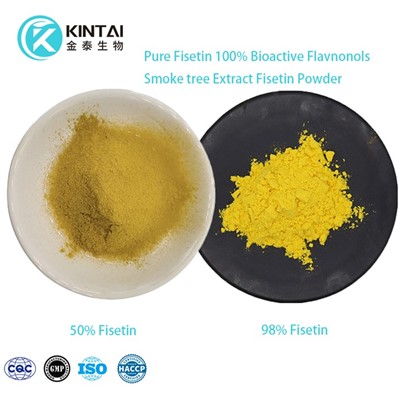
Botanical extracts are a broader concept, referring to mixtures of various components obtained by extracting from plant tissues using solvents (such as water or ethanol) or modern techniques (such as supercritical fluids). Product forms are diverse, including liquids, pastes, or solid powders (such as lyophilized powders). Their target components mainly encompass non-volatile or weakly volatile substances such as alkaloids, flavonoids, polysaccharides, and polyphenols. Common commercial products include Green Tea Extract (rich in the tea polyphenol EGCG) and Curcumin Extract.


KINTAIBIO®, a professional manufacturer of plant extract powders in China, is committed to providing you with high-activity, high-purity, and stable product solutions through advanced purification processes and strict quality control. Please contact us at sales@kintaibio.com.
Extraction Process Comparison: Essential Oil versus Extract
Essential Oil Extraction Processes
- Steam Distillation: The most widely used method, utilizing steam to carry volatile components through condensation and separation. The equipment is relatively simple, but it is not suitable for heat-sensitive components.
- Pressing: Primarily used for citrus peels (sweet oranges, lemons), it obtains the extract through physical pressing, preserving the fresh fruit aroma.
- Solvent Extraction: Suitable for delicate flowers (such as jasmine and roses), it uses solvents such as petroleum ether to dissolve aromatic molecules, and then separates the solvent to obtain a concentrated product called "absolute."
- Supercritical CO₂ Extraction: An advanced "green technology." Selective extraction using the strong solubility of supercritical CO₂ at low temperatures can more completely preserve heat-sensitive components and near-natural aromas, but the equipment investment is high.

Source:https://www.sciencedirect.com
extract Extraction processes
- Impregnation/Percolation: A basic method where the raw material is soaked or percolated with a solvent (water, ethanol, etc.), such as in the preparation of Chrysanthemum Extract or Licorice Extract.
- Reflux/Soxhlet extraction: A more efficient continuous extraction method.
- Modern auxiliary technologies: Often combined with ultrasonic, microwave, and enzymatic pretreatment to improve extraction efficiency and yield.

Source:https://www.mdpi.com
The extract needs to be filtered and concentrated (e.g., by vacuum concentration), and can be further purified into powder by spray drying or freeze drying, or purified using column chromatography, membrane separation, etc., to obtain high-purity monomers or standardized extracts. For example, proanthocyanidins can be produced from grape seeds.
Bioactivity: Extract vs Essential Oil
- Essential Oils: Main components are volatile small-molecule compounds (monoterpenes, sesquiterpenes, aromatic compounds, esters, etc.). They have small molecular weights and high lipid solubility, resulting in excellent skin penetration. Their small molecular size and high lipid solubility allow them to quickly penetrate the stratum corneum, enter the bloodstream, and produce systemic effects. Their effects are rapid, occurring transdermally/olfactorily, influencing mood, relieving stress (through the olfactory limbic system), providing local antibacterial, anti-inflammatory, and analgesic effects.
- Extracts: Main components are non-volatile or weakly volatile components such as polysaccharides, polyphenols, and alkaloids, with a wide molecular weight range. Small-molecule components (such as certain polyphenols) have some permeability; large molecules (such as polysaccharides and proteins) are difficult to penetrate the skin, primarily acting on the skin surface or stratum corneum. For example, the active polysaccharides in Shiitake Mushroom Extract are typical immunomodulatory macromolecules. They can provide systemic conditioning (oral administration), mainly acting as antioxidants, regulating immunity, and improving metabolism.


For example, oral administration of green tea extract can exert health benefits by scavenging free radicals and regulating lipid metabolism pathways. It can also be used for surface care (topical application): moisturizing (polysaccharides), anti-glycation (polyphenols), soothing (flavonoids), and providing nutrition. For example, asiaticoside in Centella Asiatica Gotu Kola Extract can promote collagen synthesis and repair the skin barrier.
Application Differences: Essential oil versus extract
- Essential oil: Can be used in aromatherapy and mood-enhancing products such as incense, olfactory inhalation, and diffusers; also added to skincare products and perfumes as functional fragrances or active ingredients; also used for massage and topical application after dilution (requires professional guidance).

- Extract: Due to its diverse activities (such as Curcumin Extract's anti-inflammatory properties and Standardized Milk Thistle Extract's liver-protecting properties), it is mainly used in dietary supplements and functional foods/beverages as a core ingredient in capsules, tablets, solid beverages, and health foods; or as standardized herbal raw materials (such as ginkgo biloba extract and resveratrol extract), and active ingredients in functional skincare products; it can also be added to skincare products as a stable water-soluble or alcohol-soluble active ingredient, or as an animal health and feed additive.

How to Choose: Essential Oil vs Extract
- Choose Essential Oil: When you need to quickly influence emotions or create an atmosphere; when the product appeal emphasizes natural aroma and sensory experience; and when the application is for topical application or environmental diffusion.
- Choose Botanical Extract (especially powder): When you seek clear, quantifiable oral health benefits or specific targeted efficacy; when production requires high standardization, stability, and ease of large-scale formulation; and when the target ingredient is a specific, non-volatile compound.

KINTAIBIO® focuses on providing standardized, highly active plant extract powders. Our product line covers a wide range of functional ingredients, meeting the core raw material needs of multiple fields such as dietary supplements, functional foods, high-end skincare products, and animal nutrition. All production is carried out under a rigorous system with international certifications (including GMP, ISO9001, ISO22000, etc.), ensuring full-chain traceability and global market compliance from plant raw materials to finished powder. For any specific needs or to obtain samples and technical information, please feel free to contact us: sales@kintaibio.com.