



Why Choose Us?
Rich Experience
KINTAI Biotech Inc. is one of the major manufacturers of herbal extracts and pharmaceutical intermediate in China, and has been serving global health industry customers in the past 10 years.
Wide Range of Applications
Our health natural products have been sold well in more than thirty countries, including Europe, North America, Australia, Southeast Asia, Russia, etc., and are widely used in medicine, health food, cosmetics, food drinks, animal feed and other fields.
Professional Technical Team
KINTAI is established by a high qualified team, owns the 12,000㎡ GMP workshop, 600㎡ R&D platform, 23 well-trained factory workers, 7 professional R&D and quality control people. We are experts in R&D, manufacturing and quality assurance.
Wide Product Range
KINTAI's leading products are Lappaconitine Bbr, Mangiferin, Dihydromyricetin, Dihydroquercetin, Polydatin, Rosmarinic acid, Chlorogenic acid, betulin, sanguinarine, Macleaya cordata extract, Centella asiatica extract and epimedium extract, etc.
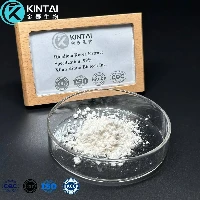
What is Lactoferrin Protein Powder?
Lactoferrin protein powder is a naturally occurring protein that is found in milk, particularly in human and bovine milk. It belongs to the transferrin family of proteins and plays an important role in the immune system and iron metabolism.
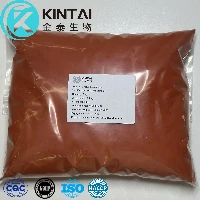
What is L-Leucine Powder?
L-Leucine Powder is an alpha-amino acid with the chemical formula C6H13NO2. It belongs to the group of branched-chain amino acids (BCAAs), which also includes L-Isoleucine and L-Valine. L-Leucine is classified as an essential amino acid because it cannot be synthesized by the body and must be obtained through dietary sources or supplements.






The Gut and Immune Health Benefits of Lactoferrin Protein Powder
Prebiotic effects
One key mechanism is its prebiotic effect of selectively promoting the growth of beneficial bacteria. Studies show bovine lactoferrin increases populations of Bifidobacteria and Lactobacilli in the gut while inhibiting pathogens like Escherichia coli,Salmonella, and Clostridium. The antibacterial effects of lactoferrin are due to its ability to bind iron, an essential nutrient for bacterial growth. By sequestering iron, lactoferrin creates an unfavorable environment for iron-dependent pathogenic bacteria.
Anti-inflammatory effects
Bovine lactoferrin is also a potent anti-inflammatory compound. It blocks the release of pro-inflammatory cytokines like tumor necrosis factor-alpha (TNF-alpha), interleukin-1 (IL-1), and interleukin-6 (IL-6). It enhances the secretion of the anti-inflammatory cytokines interleukin-10 (IL-10) and interleukin-4 (IL-4). Lactoferrin binds to lipopolysaccharide, a toxin produced by gram-negative bacteria in the gut, preventing it from entering the bloodstream.
Intestinal barrier effects
Lactoferrin strengthens gut integrity by increasing mucus production and preventing endotoxins from leaking out of the intestine into the bloodstream. Protecting the function of the gut barrier is enormously important for both gut and immune health. We now know that many modern, chronic diseases—including those I listed above—are characterized by intestinal permeability (aka “leaky gut”). Lactoferrin is also effective for repairing disruptions to the gut barrier caused by chronic stress or a course of antibiotics.
Antimicrobial effects
Lactoferrin exhibits direct antimicrobial activity against bacteria, viruses, fungi, and parasites by damaging microbial membranes. As noted above, the antimicrobial properties of lactoferrin stem from its ability to bind iron, an essential nutrient for the growth and metabolism of pathogens. By sequestering iron, lactoferrin creates an iron-deficient environment that restricts microbial proliferation.
Anti-inflammatory effects
In addition to lactoferrin’s anti-inflammatory effects in the gut, it can help resolve inflammation following infection or injury. It scavenges free radicals that would otherwise damage cells and tissues. These combined actions support the body’s natural immune defenses and healing capabilities. Scientists have noted lactoferrin’s unique ability to “sense” the immune activation status of an organism and act accordingly.
Immunomodulatory effects
Lactoferrin has the remarkable ability to both stimulate and suppress the immune system. As an immunomodulator, it can enhance weak immune responses against pathogens (like viruses and bacteria) while simultaneously tamping down on hyperactive immune responses (like allergies and autoimmunity) and reducing excessive inflammation. This unique “dual action” is what makes lactoferrin so useful. Most compounds—whether natural or pharmaceutical—can only boost or suppress the immune system.
Anticancer effects
In addition to its antimicrobial and immunomodulatory activities, emerging research indicates bovine lactoferrin may also have anticancer properties. Lactoferrin is a potent antioxidant that neutralizes DNA-damaging free radicals and reactive oxygen species linked to cancer development. This helps reduce oxidative stress and mutual mutations. By inhibiting the release of pro-inflammatory cytokines, lactoferrin suppresses chronic inflammation, which often precedes cancerous growths. It also impedes signaling pathways that promote the proliferation of cancer cells.

Lactoferrin is present in small amounts in dairy products like cheese and yogurt and to an even lesser degree in beef and other meats. Dairy and meat from pasture-raised cows tend to have higher levels of lactoferrin.
Lactoferrin is also present in colostrum, the milk-like fluid that serves as the first food for all mammals (including humans).
That said, if you want to get meaningful doses of lactoferrin, you’ll need to supplement. The recommended daily dose of lactoferrin is 100 to 200 mg. The amount of lactoferrin in cow’s milk is just 0.5 mg/L, or roughly 10 to 15 mg per 8 ounces. Colostrum supplements contain approximately 0.3 to 0.5 percent lactoferrin by volume or 3 to 5 mg per gram. While cow’s milk and colostrum provide some lactoferrin, it would be difficult to obtain the recommended daily dose through these sources alone.
Lactoferrin protein powder is widely used as a dietary supplement
In particular as an immunomodulator. Although its actions are not yet clearly understood, we do know that it boosts immune response. Two studies conducted on healthy volunteers showed that consuming cow’s milk-derived lactoferrin protein powder has positive immunomodulatory effects (depending on the initial profile of the volunteer's immune system). The results suggest that cow’s milk-derived lactoferrin protein powder may be used clinically to improve the immune status of patients and may even play a role in activating their immune response. lactoferrin protein powder supplements currently being sold already contain a level of purity reaching 96%.
Lactoferrin protein powder is also used in the cosmetics sector
It can be found in a number of beauty products including make-up and hair, face and body care items. For instance, its antibacterial properties mean it’s a highly sought-after ingredient in cleansers. It is also used in hairspray formulas for hydrating and smoothing hair. lactoferrin protein powder also stimulates skin metabolism and has an anti-ageing effect due to its antioxidant properties which capture free radicals.
The oral hygiene sector also makes use of lactoferrin protein powder
Lactoferrin protein powder has a strong affinity for iron, helping it to act as a bacteriostatic agent. It actually reduces the quantity of freely available ferric ions, inhibiting the development of certain bacteria and related problems such as bad breath, dental caries and tartar.
How Is Lactoferrin Protein Powder Produced?
A variety of separation and purification methods have been developed to extract lactoferrin from milk. These methods include cation exchange chromatography, membrane absorption, liquid chromatography membrane separation, ion exchange resin, and others.
For each of these methods, the recovery rate, percent purity, input materials, and cost of processing vary. Most of these methods use skim milk or whey as the starting material.
Some methods have high recovery rates but require difficult procedures, while others are very expensive but make high-purity lactoferrin. Especially as the demand for lactoferrin increases as the benefits of this valuable protein become better understood, more efficient manufacturing techniques will be needed.
Today, lactoferrin remains one of the most costly dairy ingredients available. It can cost anywhere from $600-$2000 USD per kg.
While some of this cost is incurred via complicated production processes, significant cost can also be attributed to the sheer amount of starting material needed.
With standard processes, 1 million liters of whey is needed to produce between 20-30 kg of lactoferrin. 1 million liters of skim milk produces just 30-60 kg of lactoferrin.
These extremely high costs limit accessibility to this beneficial protein nicknamed “pink gold”. Currently, the majority of available lactoferrin is dedicated to infant formula and food supplements.
However, there’s no doubt that given its iron regulation, gut health, and immune support benefits, we could all stand to gain from including lactoferrin in sports drinks, plant-based dairy products, and anything in between!
Producing lactoferrin through precision fermentation could lead the way to greater amounts of lactoferrin available on the market. Because with precision fermentation, the production scale is free from the constraints and climate impacts of animal agriculture – meaning that not only can we produce more lactoferrin, but we can produce it sustainably too.
5 Ways Lactoferrin Protein Powder Supports the Immune System
Protects your immune health at the cellular level
In a nutshell, lactoferrin may protect your healthy cells from binding to ones that could "upset the apple cart," so to speak!
Promotes immune-friendly gut bacteria
Lactoferrin helps to stimulate the growth of bifidobacteria, a type of bacterium that's beneficial. Found in your intestines, bifidobacteria can have a positive influence on your overall immune system.
Protects against unhealthy cell division
Additionally, lactoferrin might be able protect normal cells when they encounter a challenge by supporting cell growth and cell division to help keep you healthy.
Helps your mucous do its job
Mucous production isn't just an annoyance—it's also an important part of your body's system of protecting you. Lactoferrin can support mucosal immune function.
Balances iron levels
Lactoferrin supports iron healthy levels—which is important because iron plays an important role in supporting the immune response.
Lactoferrin protein powder provides many benefits to consumers, but it also offers a lot of flexibility to food formulators. High-purity lactoferrin protein powder is small but mighty, meaning it only requires a small amount in products to be impactful. As a result, lactoferrin protein powder can be easily incorporated into a wide range of products. It can provide functional benefits in capsule or tablet applications for one-a-day supplements. It can be incorporated into confectionary products such as lollipops and gummies for kid-friendly supplements. It can also be incorporated into more traditional food and beverage products, such as ready-to-mix protein drinks.


For General Immune Support: Studies exploring lactoferrin protein powder for its immune-enhancing properties have often used doses ranging from 100 mg to 300 mg per day.
Bacterial and Viral Infections: Research targeting specific infections, including gastrointestinal and respiratory infections, have utilized doses from 200 mg to 600 mg daily.
Acne Treatment: In studies focusing on acne reduction, doses of 200 mg of lactoferrin protein powder per day were found to be beneficial.
Iron Absorption and Anemia: For improving iron metabolism and addressing iron deficiency anemia, studies have used doses up to 100 mg to 400 mg daily.
Osteoporosis Prevention: Research into lactoferrin protein powder’s potential to support bone health, especially in postmenopausal women, has considered doses ranging from 250 mg to 500 mg per day.
4 Benefits of L-Leucine Powder
Leucine may help heal skin and bones, increase muscle size and boost lean body mass (one reason bodybuilders often take leucine for muscle growth). Research on leucine's effect on body composition in healthy young and middle-aged adults is mixed, but there are more consistently positive findings in research among older adults — particularly those predisposed to sarcopenia, the loss of muscle tissue with age.
This essential amino acid can also help regulate blood sugar, per the University of Rochester Medical Center. Of course, that doesn't mean popping a leucine supplement will necessarily keep your blood sugar balanced. One of the best ways to keep your blood sugar in check is by eating a varied diet with healthy carbohydrates, fiber-rich foods and good fats (polyunsaturated or monounsaturated fats), per the Mayo Clinic. If you're concerned about your blood sugar or have diabetes, talk to your doctor about a healthy eating plan for you.
HGH fuels childhood growth and also preserves your tissues and organs throughout life. But by middle age, your pituitary gland reduces the amount of growth hormone it produces. That's why synthetic HGH gets a lot of hype: Some people think it can stave off age-related changes like bone loss, but you should be skeptical unless your doctor prescribes it for a specific condition like growth hormone deficiency. There is little evidence that HGH can give healthy adults more youth or vitality.
Human studies on leucine for weight loss are limited. That said, some research shows that leucine plays a role in critical metabolic processes — and as noted before, it may help stabilize levels of blood glucose. L-leucine could potentially be used for weight management or weight loss programs, per an older January 2003 review in The Journal of Nutrition. In fact, dietary levels of leucine might influence muscle mass maintenance during weight loss. However, there's no established leucine dosage for weight loss.
When it comes to making a choice, you need to be clear about which leucine to buy. After all, it is a dietary supplement and you should not go for the first thing you are offered.
Tips for choosing the right L-leucine:
It must be of vegetable origin
It must be obtained through a fermentation process.
It must be GMO-free, i.e. free of genetically modified organisms.
It must be instant, i.e. practically instantaneously dissolving. If it does not meet this requirement, it will be difficult for it to dissolve completely.

What Dosage Of L-Leucine Powder Should I Take?
It’s important to understand what the leucine threshold is. Once your body gets enough leucine, usually 2.5-3 grams, it will switch into muscle building mode. However, more leucine does not give any greater benefit, so you only need a certain amount. This means if you have had a leucine-high protein dose within the last hour or two, supplementing with extra won’t be of much benefit. As leucine is one of the essential amino acids, it is usually found in complete protein sources. Anytime you eat a meal high in protein, or a take a protein shake, you probably don’t need extra leucine. It’s best taken between meals, or added to meals that have little to no protein.
Role of L-Leucine Powder in the Body
Both these amino acids have many essential roles in the body, but despite their similar structure, these roles tend to differ. Leucine is important for the general health of muscle. It can stimulate protein synthesis and reduce protein breakdown, especially of muscle protein following physical trauma.
Omics eBook Compilation of the top interviews, articles, and news in the last year.
Leucine also increases the levels of insulin in the blood, which leads to a similar effect on the proteins in muscle tissue.
L-Leucine powder is also important in the regulation of blood sugar levels since it acts as a source for gluconeogenesis (the synthesis of glucose from non-carbohydrates) in the liver. This helps the body and the muscles to heal.
Our Certifications
Now Kintai Biotech Inc has obtained GMP, ISO9001:2016, ISO22000:2018, Kosher, HACCP, HALAL, Food Production License, Business License, and other qualifications certificates.


Our Factory
KINTAI Biotech Inc. is one of the major manufacturers of herbal extracts and pharmaceutical intermediate in China, and has been serving global health industry customers in the past 10 years. KINTAI offers more than just manufacturing services, we offer our customers complete professional solutions, including product concept, selling points, testing, formulation, packaging, customs clearance, regulatory compliance, etc. KINTAI is established by a high qualified team, owns the 12,000㎡ GMP workshop, 600㎡ R&D platform, 23 well-trained factory workers, 7 professional R&D and quality control people. We are experts in R&D, manufacturing and quality assurance.

FAQ
Xi'an Kintai Biotech Inc is one of the leading dietary nutritional ingredients manufacturers and suppliers in China. We warmly welcome you to buy or wholesale dietary nutritional ingredients for sale here from our factory. Our products are with high quality and competitive price.
Moringa Extract, L-rhamnose Monohydrate Powder, L leucine Powder