

Chlorogenic acid (CGA), a naturally occurring polyphenol compound, has gained significant attention in recent years for its potential role in weight management and metabolic health. Found abundantly in green coffee beans, tea leaves, and certain fruits (e.g., apples, berries), chlorogenic acid is a key bioactive ingredient in "chlorogenic tea," a popular beverage marketed for its weight-loss benefits. This article delves into the scientifically validated effects of chlorogenic acid, its mechanisms of action, current applications in weight-loss products, and the latest research trends.

Proven Benefits of Chlorogenic Acid for Weight Loss
a) Reduces Fat Accumulation and Body Weight
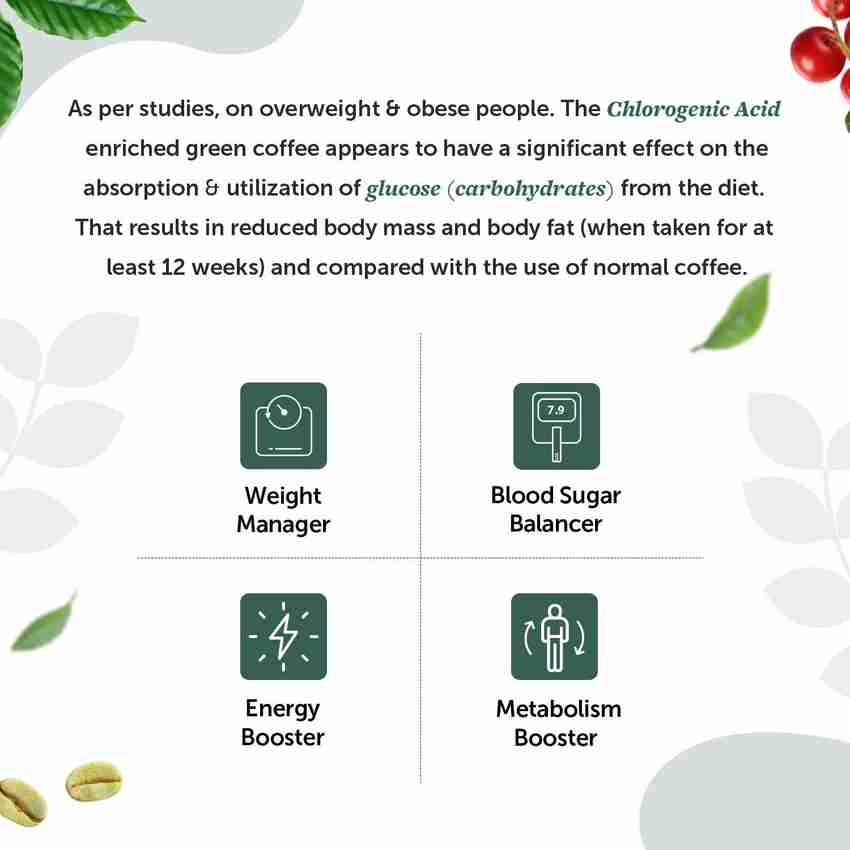
Multiple randomized controlled trials (RCTs) have demonstrated that chlorogenic acid supplementation can lead to modest but statistically significant reductions in body weight, body mass index (BMI), and visceral fat. A 2020 meta-analysis published in Phytotherapy Research reviewed 15 studies involving over 900 participants and found that CGA intake (120–400 mg/day for 4–12 weeks) resulted in an average weight loss of 2.5 kg compared to placebo groups.

b) Inhibits Carbohydrate Absorption
CGA interferes with carbohydrate metabolism by inhibiting the enzyme α-glucosidase, which breaks down complex carbohydrates into glucose in the small intestine. This delays glucose absorption, reduces postprandial blood sugar spikes, and may lower insulin resistance-a key factor in obesity.
c) Enhances Lipid Metabolism
Studies show that chlorogenic acid activates AMP-activated protein kinase (AMPK), an enzyme critical for regulating lipid metabolism. AMPK activation promotes fatty acid oxidation (fat burning) in the liver and skeletal muscles while suppressing lipogenesis (fat storage).
d) Antioxidant and Anti-inflammatory Effects
Chronic inflammation and oxidative stress are linked to obesity-related complications. CGA's potent antioxidant properties neutralize free radicals and reduce pro-inflammatory cytokines like TNF-α and IL-6, indirectly supporting metabolic health.
How Chlorogenic Acid Works

a) Modulation of Glucose Homeostasis
By inhibiting α-glucosidase and glucose-6-phosphatase (an enzyme involved in glucose production), CGA lowers blood glucose levels. This reduces insulin secretion, which in turn decreases fat storage.
b) Activation of PPAR-α and Lipolysis
CGA upregulates peroxisome proliferator-activated receptor alpha (PPAR-α), a nuclear receptor that enhances fatty acid breakdown in mitochondria. This process increases energy expenditure and reduces triglyceride levels.
c) Gut Microbiota Regulation
Emerging research suggests that chlorogenic acid modulates gut microbiota composition. A 2021 study in Nutrients found that CGA promotes the growth of beneficial bacteria (e.g., Bifidobacterium, Lactobacillus) while reducing harmful species linked to obesity. A balanced gut microbiome improves metabolic efficiency and reduces fat storage.
d) Appetite Suppression
CGA may influence appetite-regulating hormones like leptin and ghrelin. Animal studies indicate that chlorogenic acid reduces ghrelin (the "hunger hormone") secretion, leading to decreased caloric intake.
Chlorogenic Acid in Weight-Loss Products: Market Trends
The global weight-loss supplement market, valued at $33.4 billion in 2023, increasingly incorporates chlorogenic acid due to its natural origin and evidence-backed benefits. Key product categories include:
a) Chlorogenic Tea Blends
Green coffee bean extract (a rich CGA source) is a staple in slimming teas. Brands like NatureWise and Healthworks market teas combining CGA with complementary ingredients like catechins (from green tea) and Garcinia cambogia.
b) Dietary Supplements
Capsules and tablets standardized to 45–50% chlorogenic acid are popular. For example, Pure Svetol® (a patented green coffee extract) is used in products by NOW Foods and Nature's Way.
c) Functional Foods
CGA is added to protein bars, shakes, and even coffee substitutes targeting fitness enthusiasts.
d) Regulatory and Quality Considerations
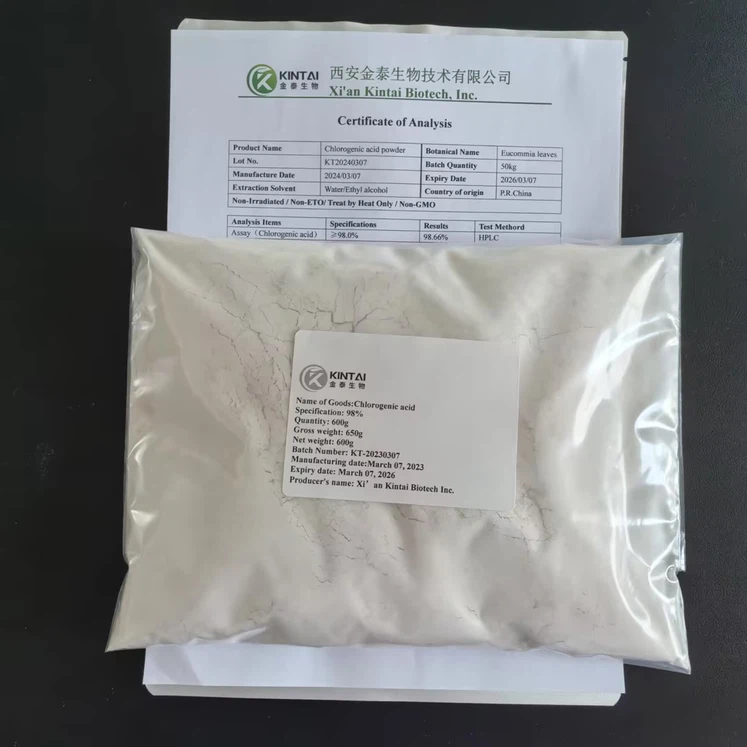
Despite its popularity, product quality varies. Reputable manufacturers use HPLC (high-performance liquid chromatography) to standardize CGA content. Consumers are advised to choose products with third-party testing certifications (e.g., NSF, USP).
Current Research and Limitations
While chlorogenic acid shows promise, ongoing research aims to address gaps:
a) Dose-Response Relationships
Optimal dosing remains unclear. Human trials use 120–400 mg/day, but individual variability in metabolism and bioavailability complicates universal recommendations.
b) Synergistic Effects
Studies explore combining CGA with other compounds (e.g., caffeine, L-carnitine) to enhance efficacy. A 2022 trial in Obesity Science & Practice found that CGA + caffeine increased fat oxidation by 29% during exercise.
c) Long-Term Safety
CGA is generally safe, but high doses (>600 mg/day) may cause mild gastrointestinal discomfort. Long-term effects (>12 months) require further investigation.
d) Population-Specific Responses
Genetic factors (e.g., polymorphisms in CYP450 enzymes) influence CGA metabolism. Personalized nutrition approaches may optimize outcomes.
Chlorogenic acid, particularly in the form of chlorogenic tea, offers a scientifically supported, natural option for weight management. Its multi-target mechanisms-from glucose regulation to gut microbiome modulation-make it a versatile ingredient in the fight against obesity. However, consumers should pair CGA supplementation with a balanced diet and exercise for optimal results. As research evolves, chlorogenic acid is poised to remain a cornerstone of evidence-based weight-loss strategies.
bulk powder supplier recommend - xi'an kintai biotech inc
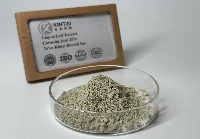
Kintai's chlorogenic acid is mainly extracted from the following natural plants:
Eucommia ulmoides extract (HPLC 5%-30%, 50%-98%)
Green coffee bean extract (HPLC 45%-50%, 90%)
Our 98% Chlorogenic acid powder extract from Eucommia ulmoides leaves achieves cost-effectiveness.
Kintai Biotech's CGA offers a premium, science-first solution. if you want to try it,Please feel free to contact us at sales@kintaibio.com
References
Onakpoya, I., et al. (2020). Phytotherapy Research.
Tajik, N., et al. (2017). European Journal of Nutrition.
Santana-Gálvez, J., et al. (2019). Molecules.
Meng, S., et al. (2021). Nutrients.
Roshan, H., et al. (2022). Obesity Science & Practice.