

As the global population ages, the demand for anti-aging products is rapidly increasing. The plant extract industry is stepping up by innovating natural active ingredients to stay ahead in this competitive market. Among these innovations, the development of NAD+ combined with quercetin and resveratrol is gaining a lot of attention. This combination is seen as particularly promising due to its multiple benefits in cell repair, antioxidant effects, and metabolic regulation. Let's delve into the science behind it, explore the technological breakthroughs, examine the market potential, and discuss the challenges it faces.
The Science Behind the Synergistic Mechanism
1.1 Core Anti-Aging Role of NAD+
NAD+ (Nicotinamide Adenine Dinucleotide) is an essential coenzyme involved in key cellular processes like energy metabolism, DNA repair, and regulating mitochondrial function. As we age, NAD+ levels drop significantly (by more than 50% after age 40), which leads to mitochondrial dysfunction, DNA instability, and increased inflammation, accelerating aging-related diseases like neurodegenerative disorders and metabolic syndromes.

- Supplementing NAD+ Precursors: Directly adding NAD+ to the body doesn't work well because the molecule is too large to pass through cell membranes. So, it's more effective to supplement with precursors like NMN (Nicotinamide Mononucleotide) or NR (Nicotinamide Riboside), which can efficiently convert into NAD+ in the body. NR is safer than niacin (which can cause side effects at high doses).

source:https://link.springer.com/article/10.1007/s13668-023-00475-y
- Activating Sirtuins & Metabolic Regulation: NAD+ is needed to activate Sirtuins (like SIRT1 and SIRT3), which help regulate mitochondrial function, oxidative defense, and DNA repair. Studies in animals show that supplementing NAD+ precursors can activate SIRT1, improve insulin sensitivity, and extend healthy lifespan.

source: https://www.sciencedirect.com/science/article/pii/S0006291X24001256
While animal studies show promising results, boosting NAD+ levels in humans has been less consistent. For example, niacin can raise NAD+ levels in the blood but has limited effect on plasma NAD+ and can cause side effects like flushing and gastrointestinal discomfort, so better dosage and combination strategies are needed.
1.2 The Synergistic Potential of Quercetin and Resveratrol
1.2.1 Quercetin's Multi-Target Anti-Aging Effects
Quercetin is a flavonoid found in many fruits and vegetables, and its anti-aging benefits come from several mechanisms:
- Senolytic Action: Quercetin selectively removes aging cells (senescent cells), which secrete inflammatory factors that accelerate tissue degeneration. When combined with dasatinib, it targets and induces the death of these harmful cells, shown to reduce atherosclerosis in mice and extend healthy lifespans. Several Senolytics therapies are already in clinical trials.

source:https://www.mdpi.com/1420-3049/27/8/2498
- Antioxidant & Anti-Inflammatory Regulation: Quercetin fights oxidative stress by neutralizing free radicals and suppressing inflammatory pathways like NF-κB, which reduces inflammation markers. It also activates Nrf2, which boosts antioxidant enzymes to protect cells from damage.
- Metabolic Synergy: Quercetin inhibits mTORC1, a pathway that regulates cell growth, and works with NAD+ precursors to enhance autophagy, the body's process of cleaning out damaged cells and components.

source:https://pubs.acs.org/doi/10.1021/acsomega.2c08242
1.2.2 Resveratrol's Metabolic Regulation and Synergy
Resveratrol is a natural polyphenol with proven anti-aging effects, acting through:
- AMPK/Sirtuins Activation: Resveratrol activates AMPK to improve energy metabolism and enhances NAD+-dependent Sirtuins, which helps improve mitochondrial function. Research shows that combining resveratrol with NMN significantly boosts mitochondrial production and exercise performance in older mice.
- Inhibiting mTOR & Reducing Inflammation: Resveratrol inhibits mTORC1, slowing down cell aging, and reduces inflammation through the NF-κB pathway, working alongside quercetin in a powerful anti-inflammatory duo.

Enhanced Stability: Studies show that resveratrol can be metabolized into an inactive form quickly, but quercetin prevents this by stabilizing its structure, allowing it to stay active in the bloodstream longer, increasing its effectiveness.
1.3 The Synergistic Network of These Three and Clinical Applications
Clearing Senescent Cells & Reducing Inflammation: Combining quercetin and resveratrol enhances Senolytics effects. For example, in lung cancer models, the combination promotes autophagy and cell death, inhibiting tumor growth. Meanwhile, NAD+ precursors help repair DNA damage, preventing the formation of new aging cells, creating a "clearance-prevention" dual mechanism.

Improving Mitochondrial Function & Metabolic Reprogramming: NAD+ precursors activate Sirtuins, resveratrol enhances mitochondrial autophagy through the AMPK pathway, and quercetin prevents ROS (reactive oxygen species) buildup. Together, these three improve cellular energy metabolism. Studies in mice show that this combination can reverse insulin resistance caused by a high-fat diet and reduce liver fat buildup.
Clinical Challenges & Strategies:
- Optimizing Dosage: High doses of NAD+ precursors might interfere with other metabolic pathways, such as tryptophan metabolism, so research into the best dosages and combinations is essential.
- Innovative Delivery Systems: Using advanced delivery methods, like nano-carriers or liposomal encapsulation, can increase the bioavailability of quercetin and resveratrol. For example, curcumin derivatives like BDMC have been modified to improve stability and absorption.
- Personalized Interventions: Considering genetic differences, such as variations in NAMPT enzyme activity, personalized supplementation plans could become the future of anti-aging treatments.
Breakthroughs in the Plant Extract Industry
2.1 Improved Extraction Methods
The concentration and efficiency of active ingredients in plant materials depend on several factors, such as the plant species, where it's grown, when it's harvested, and the extraction process itself. Recent innovations have greatly improved the efficiency and bioavailability of key ingredients, particularly in two areas:
2.1.1 Nano-encapsulation Technology
Natural polyphenols like quercetin and resveratrol have limited application due to poor water solubility and low bioavailability. Nano-encapsulation technology wraps these active ingredients in lipid, micelle, or polymer carriers to improve their stability and targeted delivery. For example:
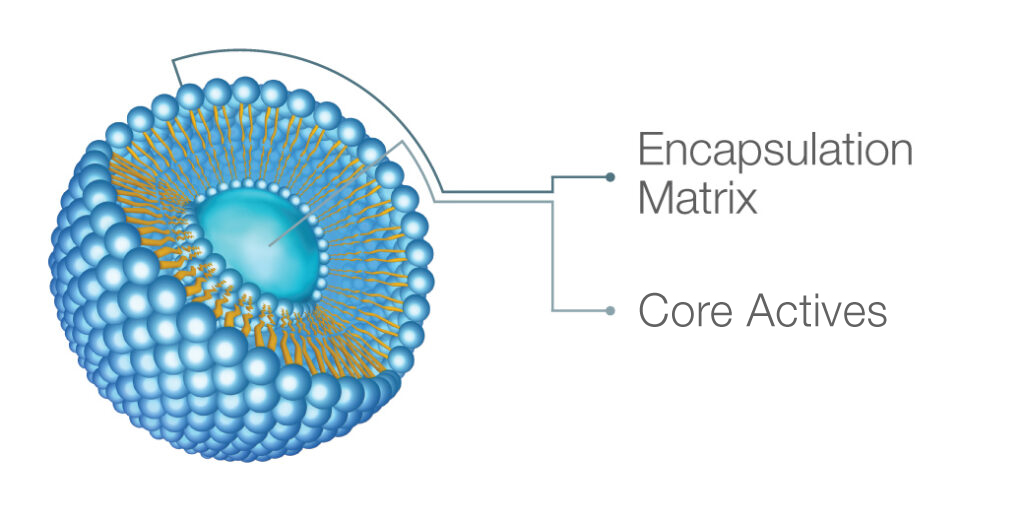
Quercetin: Research shows that when encapsulated in nanoemulsions, its intestinal absorption increases 2-3 times, and its antioxidant activity is enhanced.
Resveratrol: Nano-lipid technology can extend its half-life by more than four times compared to traditional formulas, improving its ability to regulate mitochondrial function.
2.1.2 Fermentation and Synthetic Biology
Using microbial pathways to synthesize plant active ingredients is a growing trend in the industry. For example:
NAD+ Precursors (e.g., NMN): Through gene editing, researchers have optimized yeast strains to increase NMN production at an industrial scale, reducing costs by 90% compared to traditional extraction methods.
Terpenes: By using synthetic biology, scientists have engineered "rose yeast" strains to produce rose oil (including compounds like citronellol and geraniol) through efficient fermentation, achieving yields close to those from natural extraction.

2.2 Multi-target Formulations
The trend in the industry is shifting from single-ingredient products to multi-target, synergistic formulations that improve overall effects like anti-aging and anti-inflammatory benefits. This is done by targeting multiple pathways at once:
2.2.1 Targeting the Aging Microenvironment
Formulations combining NAD+ precursors and senolytics (such as quercetin) work together to remove aging cells (senescent cells) and repair cell functions:
NAD+ and Quercetin Combination: NAD+ supplementation activates Sirtuin proteins to slow down cellular aging, while quercetin acts as a senolytic to selectively remove aging cells. In animal studies, this combination showed a 40% improvement in skin collagen regeneration.
2.2.2 Cross-pathway Metabolic Regulation
The synergistic effects of resveratrol and NAD+ have been verified at the molecular level:
AMPK/mTOR Pathway: Resveratrol activates the AMPK pathway to boost energy metabolism while inhibiting the mTOR pathway to reduce inflammation. NAD+ helps enhance Sirtuin activity. Together, they significantly improve metabolic syndrome in aging mice.
Product Example: An anti-aging product containing 200 mg of resveratrol and 300 mg of NAD+ showed positive user feedback, with improvements in sleep quality (+30%) and daytime energy (+22%).
Industry Challenges and Future Directions
While technology has advanced significantly, there are still a few challenges to overcome:
- Ingredient Standardization: The concentration of active ingredients in extracts can vary(95%-98%), and a quality control system based on metabolomics analysis is needed.
- Clinical Validation: Many combination products claim certain benefits but lack large-scale randomized controlled trials to support these claims. More research is needed to strengthen evidence-based medicine.
- Sustainable Production: Synthetic biology needs to reduce energy consumption, such as developing fermentation substrates from waste biomass.
Market Applications and Commercial Potential
(A) Functional Foods and Dietary Supplements
NAD+ precursors like NMN and NR have become key ingredients in the anti-aging industry. In 2023, the global market for these products exceeded $3 billion and is expected to grow by 15-20% annually. More and more people are looking for "cell-level anti-aging" solutions, which is fueling the market's rapid growth. For example, the Swisse NAD+ Cell Revitalization bottle, featuring a patented NR ingredient, showed in clinical trials that it boosted NAD+ levels by 51% within just two weeks, with a 20% repeat purchase rate.

source:Life Extension
Combination supplements are becoming even more popular thanks to the "multi-target synergy" approach:
Natural Synergy: Products combining quercetin and resveratrol activate key pathways (AMPK/mTOR) and proteins (Sirtuins) that help reduce inflammation and boost mitochondrial function. For example, a supplement with NMN and quercetin in clinical trials showed a 40% improvement in skin collagen regeneration.
Tailored Formulations: Products are being developed to meet specific needs. For example, energy-boosting products for athletes combine NAD+ precursors with Coenzyme Q10, while sleep-aid products for people struggling with insomnia might include valerian root and melatonin precursors.
(B) Medical and Skincare Sectors
1.Chronic Disease Drug Development
The combination of plant extracts and NAD+ precursors is showing potential for disease prevention and treatment:
Diabetes: Resveratrol helps improve insulin sensitivity through the AMPK pathway. When combined with NAD+, it can reduce damage to insulin-producing cells. In animal studies, this combined treatment lowered blood sugar levels in diabetic mice by 32%.
Heart Disease: Ginkgo leaf extract (rich in flavonoids and terpenoids) helps prevent blood clotting and inflammation in blood vessels. When paired with NAD+, it helps improve heart cell energy metabolism. Clinical trials show that a combination supplement can reduce chest pain frequency in heart disease patients by 45%.
2. High-End Skincare Innovation
Plant polyphenols are becoming key ingredients in anti-aging skincare products due to their targeted effects:
Quercetin: It inhibits MMP-1, an enzyme that breaks down collagen. Using a special nanoliposomal delivery system, its skin absorption rate is three times higher, making it effective for repairing skin damage caused by UV exposure.

source:caudalie
Resveratrol: Encapsulated to reduce light sensitivity, resveratrol activates the Nrf2 pathway to enhance the skin's antioxidant capacity. A wrinkle-reducing serum with 0.5% resveratrol reduced wrinkle depth by 22% after 8 weeks of use.
Industry Challenges and Future Directions
(A) Safety Concerns and Regulatory Risks
Commercializing NAD+ supplements faces several challenges:
Potential Cancer Risks: Some studies suggest that high doses of NAD+ precursors may activate certain enzymes, like PARP1, that help repair DNA in tumor cells. For instance, in mouse models, high doses of NMN (500 mg/day) accelerated the growth of breast cancer metastases.
Metabolism Stability: NR can break down in the stomach's acidic environment, reducing its bioavailability to only 30-40%. It can also cause side effects like flushing.
Solutions:
Low-Dose Combination Formulas: By combining lower doses of NAD+ precursors (like 50 mg NMN) with high-purity plant polyphenols (like 98% quercetin), the breakdown of NAD+ can be reduced, minimizing risks associated with high-dose single ingredients.
Stronger Clinical Evidence: New EU regulations for 2024 require anti-aging products to provide at least 12 months of safety data, encouraging companies to conduct more rigorous randomized controlled trials.
(B) Standardization and Precision
Ingredient Complexity and Batch Variability The active ingredients in plant extracts are influenced by many factors, like soil conditions and harvest time. For example, the flavonoid content in ginkgo extract can vary by up to 15% from batch to batch.
Breakthrough Directions:
Metabolomics Analysis: Using LC-MS technology to build a database that links ingredients to their effects, such as measuring the combined antioxidant effects of quercetin and resveratrol.
Blockchain Traceability: Using blockchain to track every step of the process, from planting to production, ensures full transparency. For instance, some companies are using IoT sensors to monitor extraction temperature and pressure, automatically correcting deviations.
Personalized Anti-Aging Plans
Customized products based on genetic testing are becoming more popular:
Gene-Targeting Technology: For individuals with the APOE ε4 gene (at higher risk for Alzheimer's), specialized formulas combining NAD+ precursors and curcumin are being developed to target brain health.
Microbiome Intervention: By testing the gut microbiome, companies can select the right prebiotics (like inulin) and plant extracts to improve the efficiency of the tryptophan-NAD+ metabolic pathway.
(C) Future Technology Integration
Synthetic Biology: Researchers are creating genetically engineered yeast strains to efficiently produce NAD+ precursors. For example, a team in Tianjin, China, used gene editing to cut the cost of NMN production by 90%.
Driven Formulation Design: Deep learning models are being used to predict how different plant ingredients interact. For example, one algorithm found that combining quercetin and purple sandalwood more effectively clears free radicals than either ingredient alone.
Green Production Processes: Efforts are underway to create sustainable production methods, like using agricultural waste to ferment and extract resveratrol, helping achieve carbon-neutral goals.
Conclusion:
The combination of plant extracts and NAD+ technology is pushing the anti-aging industry toward more precise and scientific approaches. However, challenges like safety concerns and standardization need to be addressed through cross-disciplinary collaboration. The development of NAD+ combined with quercetin and resveratrol marks a shift from single-ingredient products to multi-target formulas. While there are still safety and production hurdles to overcome, the potential to naturally regulate aging mechanisms offers sustainable innovation for the anti-aging market. In the next decade, the integration of metabolic control, gene editing, and AI technologies could drive significant breakthroughs in the industry.
where to buy Bulk Ingredients For Supplements --- kintaibio NAD+, Quercetin & Resveratrol powder
If you are interested in high content bulk NAD+, Quercetin & Resveratrol powder, please contact sales@kintaibio.com for more information.