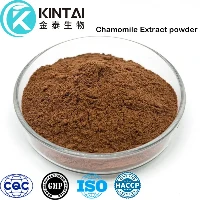


In the current pet nutrition sector, a significant trend is increasingly dominating the market: pet owners' demand for "natural ingredients" has shifted from a consumer preference to a core purchasing driver. They are not only concerned with the nutritional balance of staple foods but also demand clean, transparent labeling on snacks, supplements, and even the source of every ingredient. This consumer shift presents significant market opportunities for pet nutrition food manufacturers, but also reveals significant challenges. Synthetic preservatives are gradually being abandoned by the market due to potential health concerns, but effective and stable natural alternatives are relatively scarce. Furthermore, information regarding the safety of certain natural ingredients for pets (particularly dogs and cats) is confusing, presenting manufacturers with dilemmas and potential risks when innovating their formulations.

As an ingredient manufacturer, we offer standardized rosemary leaf extract powder, a direct solution to these challenges. Our product is rich in three key active ingredients- rosmarinic acid , carnosic acid , and ursolic acid -which work synergistically to form a powerful natural antioxidant and antimicrobial matrix, effectively delaying oxidative spoilage in pet food. This product has received FDA Generally Recognized as Safe (GRAS) certification, providing you with a safe, effective, and clean-label ingredient option.
Different Forms of Rosemary: Key Differences and Safety Analysis
In pet food formulation design and innovation, an accurate understanding of the ingredient's different forms and their corresponding safety profiles is fundamental to product success. As a versatile plant, rosemary's various processed forms exhibit significant differences in composition, safety, and applicability. The following table clearly compares the key characteristics of the three main forms, providing a comprehensive guide for your formulation decisions.

| Form | Composition Characteristics | Safety | Applicability |
|---|---|---|---|
| Rosemary Plant (Fresh/Dried) |
Physical State: Whole or crushed plant leaves. Composition: Contains natural volatile oils and water-soluble components, but the active compounds (e.g., antioxidants) are low in content and vary greatly between batches. Stability: Easily affected by origin, season, and storage conditions. |
Overall Safety: Classified by the American Society for the Prevention of Cruelty to Animals (ASPCA) as non-toxic to cats and dogs. Risk: Physical form may cause mild digestive irritation; excessive intake may lead to gastrointestinal discomfort. Regulation: Commonly accepted as a flavoring or herbal ingredient. |
Application: Mainly used as a flavoring additive to provide mild herbal aroma. Limitation: Cannot provide stable or efficient antioxidant effects; unsuitable as a core functional additive. |
| Rosemary Essential Oil |
Physical State: A concentrated volatile oil obtained by steam distillation. Composition: Rich in monoterpenes such as camphor and 1,8-cineole, which exhibit strong activity against insects and microorganisms. Concentration: Contains highly concentrated active compounds. |
High Risk: Camphor and 1,8-cineole have been shown to affect the central nervous system in dogs, especially those with a history of epilepsy, potentially triggering or worsening neurological symptoms. Usage Warning: Not recommended for oral use in pet food. Even for external uses such as diffusion, extreme caution is required. |
Application: Considered unsuitable for use in pet food manufacturing due to neurotoxicity risks. Positioning: Classified as a substance that must be strictly avoided in pet care applications. |
| Rosemary Extract Powder |
Physical State: A fine powder obtained through selective extraction (e.g., with ethanol or water), concentration, and drying of rosemary leaves. Composition: Standardized process enriches water- and fat-soluble antioxidants such as rosmarinic acid, carnosic acid, and ursolic acid, while effectively removing risky volatile oils like camphor and 1,8-cineole. Standardization: Stable content of active compounds with excellent batch consistency. |
High Safety: Classified by the U.S. Food and Drug Administration (FDA) as a "Generally Recognized as Safe (GRAS)" substance. Scientific Basis: The European Commission has approved liquid rosemary extract as an antioxidant feed additive for cats and dogs (Regulation (EU) 2024/1068), confirming its safety. No Risk: Not associated with seizure risks. |
Application: Ideal food additive. Function: Serves as a highly effective natural antioxidant to delay oxidation of fats and oils in pet food, extending shelf life. Advantages: Combines "clean label" appeal with strong functionality-an excellent natural alternative to synthetic preservatives like BHA and BHT. |
Core Safety Statement:
For pet food manufacturers, it's crucial to clearly understand the fundamental difference between "rosemary extract" and "rosemary essential oil." Rosemary extract powder is not a physical dilution of essential oil; the two differ fundamentally in their production processes and final composition.

One of the core objectives of our standardized extraction process is to precisely remove risk compounds associated with neurotoxicity-camphor and 1,8-cineole-while maximizing the retention and enrichment of target compounds with antioxidant benefits, such as rosmarinic acid and carnosic acid. This process eliminates potential safety concerns associated with essential oils at the source, making it a safe and reliable ingredient suitable for large-scale pet food production.
The fundamental difference from essential oil is that camphor and 1,8-cineole, two compounds linked to epilepsy, are removed during the extraction process.
Benefits of Rosemary Extract
As a pet food manufacturer, you must not only meet market demand for "natural" ingredients but also ensure product stability, safety, and health benefits. Our standardized rosemary extract powder is designed to meet these comprehensive needs, with its superior advantages primarily reflected in two core dimensions:
3.1 Natural Antioxidants and Preservatives
Oxidative rancidity is a primary concern affecting product quality and shelf life in pet food, especially in fat-rich categories. While effective, synthetic antioxidants such as BHA and BHT are increasingly facing consumer concerns about their potential health risks. Our rosemary extract powder offers a natural, market-leading solution.
- Effectively Extends Shelf Life: Carnosic acid and rosmarinic acid, the core active ingredients in rosemary extract, are powerful natural antioxidants. They effectively neutralize free radicals and delay lipid oxidation, with antioxidant properties comparable to or even superior to those of some synthetic preparations. This means you can significantly extend the shelf life of dry food, semi-moist food, and oil-based snacks while reducing flavor degradation and nutrient loss due to oxidation.

- Dual Action: This extract not only works through antioxidant pathways, but also contains ingredients like ursolic acid, which exhibit broad-spectrum antimicrobial properties. This property inhibits the growth of a variety of food spoilage microorganisms, such as bacteria and mold, providing comprehensive natural protection for your product from both oxidation and microbial spoilage.
- Clean Label Claim: Using rosemary extract as a preservative solution allows you to list "Rosemary Extract (for preservation)" on the ingredient list, which fully aligns with the current market trend for "clean, transparent, and natural" labels and becomes a powerful selling point.
3.2 Benefits
In addition to being a technical additive (antioxidant), our rosemary extract powder is a functional nutritional supplement that can directly add marketable health benefits to end-use pet products.

- Supports Digestive Health: The antimicrobial properties exhibited by rosemary extract also play a role in the pet's digestive tract. It selectively inhibits harmful intestinal bacteria while promoting a balance of beneficial bacteria, thereby supporting overall digestive health, nutrient absorption, and potentially reducing soft stools.
- Provides Powerful Antioxidant Support: The rich antioxidants (rosmarinic acid, carnosic acid, and ursolic acid) in this product effectively neutralize excess free radicals produced by metabolic and environmental stressors in pets. Long-term consumption helps mitigate cellular damage caused by oxidative stress, thereby supporting overall health, vitality, and immune system function. This provides a solid ingredient foundation for the development of pet foods with anti-aging and immune-boosting claims.
- Potential Heart Health Benefits: Preliminary studies suggest that the active ingredients in rosemary extract may have positive effects on the cardiovascular system. While further research is needed on the specific mechanisms involved in this study in dogs and cats, its potential to support heart health offers a promising ingredient option for high-end, specialized pet food formulations, enhancing the product's technological value.
Difference Between Rosemary Extract Powder and Rosemary Essential Oil
The root cause of this confusion lies in the failure to correctly distinguish between "rosemary extract" and "rosemary essential oil."
Camphor and 1,8-cineole in rosemary essential oil are known potential neurostimulants. High concentrations of these volatile components, after crossing the blood-brain barrier, may have a stimulating effect on the central nervous system, particularly in sensitive individuals or dogs with a history of epilepsy, posing a potential risk of inducing neurological symptoms.
We produce rosemary extract powder using a solvent extraction process, one of the core steps of which is to selectively separate and remove these volatile oils, including camphor and 1,8-cineole. The resulting powder product is primarily composed of non-volatile antioxidants such as water-soluble rosmarinic acid and fat-soluble carnosic acid and ursolic acid, and contains no known neurological risk factors.

In short, it's unscientific to equate the safety of high-concentration rosemary essential oil with food-grade rosemary extract powder. This is like assuming beer carries the same level of risk because high-concentration alcohol carries risks.
Even more interestingly, emerging research is beginning to reveal potential positive effects of rosemary extract on the nervous system. Prospective studies in experimental animal models (such as rats) have shown that standardized rosemary extract not only does not induce epilepsy, but its polyphenols (such as rosmarinic acid) actually exhibit neuroprotective properties, potentially helping to reduce the frequency and severity of epileptic seizures.
The mechanism of action may be related to the antioxidant, anti-inflammatory, and neurotransmitter-regulating properties of these components. While these findings require further clinical research in dogs to fully confirm, they undoubtedly offer a new perspective and strongly refute the outdated view that rosemary extract causes epilepsy.
For pet food manufacturers, you can be sure that the standardized rosemary extract powder we provide has been removed due to its rigorous production process. It is absolutely safe for use in dog food at the specified dosage and is not associated with the risk of epilepsy. You can safely use it as a natural antioxidant solution in your formulation without worrying about neurological safety issues.
How is rosemary extract used in pet products?
4.1 Product Innovation
- Dry and semi-moist food: Experimental data shows that adding 0.03%-0.05% rosemary extract to dry food formulas with a fat content exceeding 12% can improve oxidative stability by over 30%. It is recommended to add rosemary extract during the oil spraying process to ensure uniform distribution within the fat phase. Due to its high water activity, semi-moist food products require its antimicrobial properties. Adding rosemary extract during the mixing process at a dosage of 0.02%-0.04% can effectively inhibit mold growth.
- Snacks and chews: For high-fat snacks, rosemary extract can retain over 85% of its active ingredients even under high-temperature processing conditions. In dried meat products, a 0.03% addition can extend shelf life by 25%-40%. For starch-based chews, it is recommended to add rosemary extract during the mixing stage at a dosage of 0.01%-0.03%.
- Nutritional Supplements: Rosemary extract can serve as a core antioxidant ingredient in functional supplements. Clinical data show that daily supplementation with a standardized rosemary extract formulation containing 50 mg increased antioxidant enzyme activity in dogs' blood by 18%. It can be used synergistically with other functional ingredients, such as omega-3 fatty acids, in formulation design.
4.2 Formulation Factors
Dosage Recommendations: According to EU Delegated Regulation (EU) 2024/1068, the maximum inclusion level of rosemary extract in complete pet foods is 0.05%. Practical considerations include: base formula fat content; expected shelf life; and packaging conditions.
Accelerated oxidation testing is recommended to determine the optimal economic dosage.
- Compatibility: Studies have shown that a 1:3 ratio of rosemary extract to tocopherol increases antioxidant activity by approximately 40%. The synergistic effect is even more pronounced when combined with ascorbyl palmitate. This synergistic effect can reduce the total additive dosage by 15%-20% while maintaining equivalent antioxidant efficacy.
- Labeling claims: According to FDA guidelines, products may be labeled "rosemary extract" or "rosemary." Technical functions may be described as "used as an antioxidant" or "used to preserve freshness." Health claims must be based on scientific evidence; statements such as "provides antioxidant support" are recognized by regulators.
Why Choose Our Rosemary Extract Powder?
As a professional manufacturer of rosemary leaf extract powder, we are committed to providing customers with raw materials that meet international standards and offer consistent efficacy. We utilize targeted extraction and purification technologies specifically designed to remove potentially harmful compounds like camphor and 1,8-cineole while retaining beneficial components such as rosmarinic acid, carnosic acid, and ursolic acid. Our production process ensures that the final product contains volatile compounds below detection limits and a standardized concentration of potent antioxidants.

- Strict Quality Control: We ensure product consistency through the following quality control measures:
Strict microbial control is implemented to meet pet food ingredient standards.
The coefficient of variation for key batch indicators is kept within 5% to ensure formula stability. - Each batch of raw materials is analyzed by HPLC to ensure consistent active ingredient content.
Collaborate with Kintaibio to Drive Innovation in Pet Nutrition
Based on existing scientific research and regulatory approvals, rosemary extract powder has been demonstrated to be a safe, effective, and scientifically supported pet food ingredient. Its unique antioxidant properties and multiple health benefits make it an ideal alternative to synthetic preservatives and the development of premium pet foods.
We invite industry professionals to experience our products firsthand. To request samples, detailed technical data sheets, or discuss specific collaboration options, please contact our dedicated team at:
Contact: sales@kintaibio.com