

Houttuynia cordata extract, is a potent herbal extract derived from the Houttuynia cordata plant, also known as fish mint or chameleon plant. This perennial herb, native to Southeast Asia, has been used in traditional Chinese medicine for centuries due to its numerous health benefits. The extract is rich in bioactive compounds, including flavonoids, alkaloids, and essential oils, which contribute to its therapeutic properties. In recent years, Houttuynia cordata extract has gained attention in the global market for its potential applications in pharmaceuticals, nutraceuticals, and cosmetics.

What are the similarities between Houttuynia cordata and Macleaya cordata extracts?
While Houttuynia cordata and Macleaya cordata are distinct plants, their extracts share some interesting similarities and potential applications. Both plants have been used in traditional medicine systems and are now gaining recognition in modern research for their bioactive compounds.
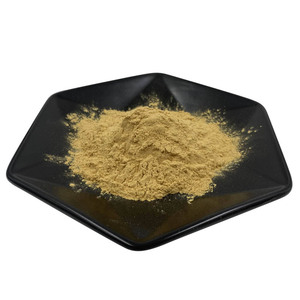

Houttuynia cordata extract is rich in flavonoids, polyphenols, and essential oils, which contribute to its anti-inflammatory, antioxidant, and antimicrobial properties. Similarly, Macleaya cordata extract contains alkaloids, particularly sanguinarine and chelerythrine, which also exhibit antimicrobial and anti-inflammatory effects.
One of the key similarities between these two extracts is their potential use as natural alternatives to synthetic antibiotics and growth promoters in animal feed. Both Houttuynia cordata and Macleaya cordata extracts have shown promise in improving animal health and performance without the drawbacks associated with conventional antibiotics.
In the field of human health, both extracts have demonstrated antiviral and immunomodulatory properties. Research has indicated that Houttuynia cordata extract may be effective against various viruses, including influenza and SARS-CoV. Similarly, Macleaya cordata extract has shown potential in boosting immune function and combating certain pathogens.
Moreover, both extracts have caught the attention of the cosmetic industry due to their antioxidant and anti-inflammatory properties. They are being explored for use in skincare products to address issues such as aging, inflammation, and acne.
While these similarities exist, it's important to note that each extract has its unique chemical composition and specific areas of application. The ongoing research into both Houttuynia cordata and Macleaya cordata extracts continues to unveil their individual potential and optimal uses in various industries.
How does Houttuynia cordata extract compare to other herbal remedies?

Houttuynia cordata extract stands out among other herbal remedies due to its diverse range of bioactive compounds and broad spectrum of potential health benefits. When compared to other popular herbal extracts, Houttuynia cordata often demonstrates unique advantages and complementary effects.
One of the key strengths of Houttuynia cordata extract is its potent antiviral activity. Studies have shown that it can inhibit the replication of various viruses, including influenza, herpes simplex, and even SARS-CoV. This antiviral potency is attributed to its rich content of flavonoids and polyphenols, which interfere with viral attachment and penetration into host cells. In comparison, while other herbal remedies like echinacea or elderberry also show antiviral properties, Houttuynia cordata's efficacy against a broader range of viruses sets it apart.
The anti-inflammatory properties of Houttuynia cordata extract are also noteworthy. It has been found to inhibit the production of pro-inflammatory cytokines and reduce oxidative stress in cells. This makes it comparable to other well-known anti-inflammatory herbs like turmeric or ginger. However, Houttuynia cordata's additional antimicrobial properties give it an edge in addressing inflammatory conditions that may have a bacterial component.
In terms of antioxidant capacity, Houttuynia cordata extract competes well with other popular antioxidant-rich herbs like green tea or rosemary. Its high content of quercetin, a powerful flavonoid antioxidant, contributes significantly to its free radical scavenging ability. This antioxidant action not only supports overall health but also makes Houttuynia cordata extract valuable in anti-aging and skin health applications.
The extract's potential in supporting liver health is another area where it shines. Studies have demonstrated its hepatoprotective effects, showing promise in preventing liver damage and supporting liver function. While milk thistle is often the go-to herb for liver support, Houttuynia cordata offers a compelling alternative or complementary option.
In the realm of digestive health, Houttuynia cordata extract has shown antibacterial effects against H. pylori, a common cause of gastric ulcers. This puts it in the company of other stomach-soothing herbs like peppermint or ginger, but with the added benefit of targeting specific pathogens.
It's worth noting that while Houttuynia cordata extract offers many benefits, its strong flavor and aroma (often described as "fishy") can be a drawback for some users, especially when consumed orally. This is where other more palatable herbs might have an advantage in terms of user compliance.
In conclusion, while many herbal remedies offer specific health benefits, Houttuynia cordata extract stands out for its versatility and the breadth of its potential applications. Its unique combination of antiviral, anti-inflammatory, antioxidant, and antimicrobial properties makes it a valuable addition to the pantheon of herbal remedies, complementing and sometimes surpassing the effects of other well-known herbs.
What are the potential side effects of using Houttuynia cordata extract?

While Houttuynia cordata extract is generally considered safe when used appropriately, it's important to be aware of potential side effects and contraindications. As with any herbal remedy, individual responses can vary, and some people may experience adverse reactions.
One of the most commonly reported side effects of Houttuynia cordata extract is gastrointestinal discomfort. This can manifest as nausea, vomiting, diarrhea, or abdominal pain. These symptoms are more likely to occur when the extract is consumed in large quantities or on an empty stomach. To minimize this risk, it's advisable to start with a low dose and gradually increase it, as well as to take the extract with food.
Allergic reactions are another potential concern. Some individuals may be sensitive to compounds found in Houttuynia cordata, leading to symptoms such as skin rashes, itching, or in severe cases, difficulty breathing. People with known allergies to plants in the Saururaceae family should exercise caution when using this extract.
There have been rare reports of liver toxicity associated with the use of Houttuynia cordata extract, particularly when consumed in high doses or for extended periods. While the extract is often touted for its liver-protective properties, paradoxically, excessive use might strain the liver. This underscores the importance of using the extract as directed and not exceeding recommended dosages.
Houttuynia cordata extract may also interact with certain medications. Its potential to affect blood clotting means that it could interact with blood-thinning medications like warfarin. Additionally, its immune-modulating properties might interfere with immunosuppressant drugs. Therefore, individuals on such medications should consult with their healthcare provider before using the extract.
Pregnant and breastfeeding women should exercise caution when considering the use of Houttuynia cordata extract. While traditional use suggests safety, there is limited scientific data on its effects during pregnancy and lactation. As a precautionary measure, it's often recommended to avoid use during these periods unless under the guidance of a healthcare professional.
Some users have reported experiencing a mild sedative effect when using Houttuynia cordata extract, which could potentially impair alertness or reaction times. This is something to be aware of, especially if operating machinery or driving.
It's also worth noting that the strong, distinctive odor of Houttuynia cordata (often described as fishy or pungent) can be off-putting to some users. While not a side effect per se, this characteristic can affect compliance and may cause social discomfort if the odor lingers on breath or skin.
Lastly, there's the potential for contamination or adulteration in herbal products. Ensuring that you source Houttuynia cordata extract from reputable suppliers who follow good manufacturing practices is crucial to minimize the risk of exposure to harmful contaminants or adulterants.
In conclusion, while Houttuynia cordata extract offers numerous potential health benefits, it's not without risks. As with any herbal supplement, it's crucial to use it responsibly, adhere to recommended dosages, and be aware of potential interactions and contraindications. Consulting with a healthcare professional before starting any new herbal regimen, especially for individuals with pre-existing health conditions or those taking medications, is always advisable. By taking these precautions, users can maximize the potential benefits of Houttuynia cordata extract while minimizing the risk of adverse effects.
Our houttuynia cordata powder Bulk has received unanimous praise from customers. If you would like to know more about this product, please feel free to contact Sales@Kintaibio.Com.
References:
1. Kumar, M., et al. (2014). Houttuynia cordata Thunb: A review of ethnobotany, phytochemistry and pharmacology. Journal of Pharmacy and Pharmacology, 66(3), 326-341.
2. Li, W., et al. (2013). Antiviral activity of Houttuynia cordata aqueous extract in mice with respiratory syncytial virus infection. Pharmaceutical Biology, 51(5), 573-578.
3. Shin, S., et al. (2010). Anti-inflammatory effects of Houttuynia cordata supercritical extract in carrageenan-air pouch inflammation model. Laboratory Animal Research, 26(1), 121-126.
4. Chen, X., et al. (2014). Protective effect of Houttuynia cordata extract on bleomycin-induced pulmonary fibrosis in rats. Journal of Ethnopharmacology, 151(1), 461-468.
5. Miyata, M., et al. (2010). Effects of Houttuynia cordata extract and its bioactive compound, quercitrin, on the transcriptional response of human keratinocytes to UV irradiation. Journal of Dermatological Science, 57(1), 18-26.
6. Lu, H., et al. (2006). Anti-inflammatory effect of Houttuynia cordata injection. Journal of Ethnopharmacology, 104(1-2), 245-249.
7. Yin, J., et al. (2017). A systematic review on the chemical constituents of the genus Macleaya and their pharmacological activities. Phytochemistry Reviews, 16(5), 813-830.
8. Kosina, P., et al. (2010). Phytochemical and antimicrobial characterization of Macleaya cordata herb. Fitoterapia, 81(8), 1006-1012.
9. Lau, K. M., et al. (2008). Immunomodulatory and anti-SARS activities of Houttuynia cordata. Journal of Ethnopharmacology, 118(1), 79-85.
10. Fu, J., et al. (2013). Review of the botanical characteristics, phytochemistry, and pharmacology of Astragalus membranaceus (Huangqi). Phytotherapy Research, 27(7), 947-960.