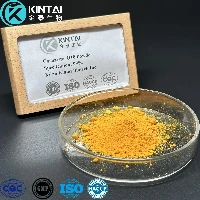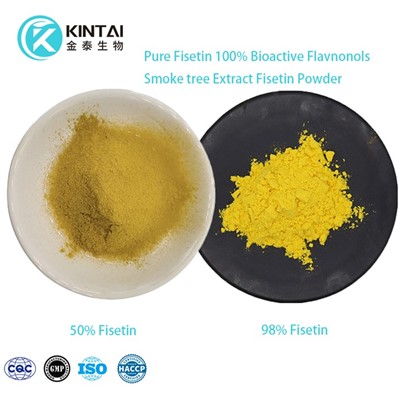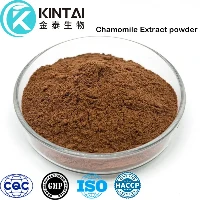


Safflower powder, derived from the seeds of the safflower plant (Carthamus tinctorius), has been gaining popularity in recent years due to its versatile applications and potential health benefits. This vibrant yellow powder, often confused with saffron, has been used for centuries in traditional medicine and culinary practices across various cultures. Today, safflower powder is finding its way into modern health and wellness routines, cosmetic products, and dietary supplements. In this blog post, we'll explore the various uses of safflower powder and dive into some of the most commonly asked questions about this intriguing natural product.

How does safflower powder benefit skin health?
Safflower powder has become increasingly popular in the skincare industry, and for good reason. Its rich composition of beneficial compounds makes it a potent ally for maintaining healthy, radiant skin. Let's delve into the ways safflower powder can contribute to your skin's well-being.
First and foremost, safflower powder is packed with linoleic acid, an omega-6 fatty acid that plays a crucial role in maintaining the skin's barrier function. This essential fatty acid helps to keep the skin hydrated by reducing water loss and improving its ability to retain moisture. As a result, regular use of safflower powder in skincare routines can lead to softer, more supple skin that's less prone to dryness and flakiness.
Another significant benefit of safflower powder for skin health lies in its anti-inflammatory properties. The powder contains various antioxidants, including flavonoids and polyphenols, which help to combat oxidative stress and reduce inflammation in the skin. This can be particularly beneficial for those struggling with inflammatory skin conditions such as acne, eczema, or rosacea. By incorporating safflower powder into their skincare regimen, individuals may experience a reduction in redness, swelling, and irritation associated with these conditions.

Safflower powder also boasts impressive anti-aging properties. The high concentration of vitamin E in safflower seeds, which is preserved in the powder form, acts as a powerful antioxidant that helps protect the skin from free radical damage. Free radicals are unstable molecules that can accelerate the aging process, leading to the formation of fine lines, wrinkles, and age spots. By neutralizing these harmful molecules, safflower powder can help maintain a youthful appearance and promote overall skin health.
Furthermore, safflower powder has been shown to have a positive impact on skin tone and texture. The natural compounds found in the powder can help to even out skin tone by reducing the appearance of dark spots and hyperpigmentation. Additionally, the powder's gentle exfoliating properties can help to remove dead skin cells, revealing a brighter, more radiant complexion underneath.
For those concerned about acne and excess oil production, safflower powder may offer some relief. Despite its oil content, safflower powder is non-comedogenic, meaning it won't clog pores. In fact, the linoleic acid in safflower powder can help regulate sebum production, potentially reducing the occurrence of acne breakouts. This makes it a suitable option for those with oily or acne-prone skin who are looking for natural skincare solutions.
Lastly, safflower powder can be an excellent addition to DIY skincare recipes. It can be mixed with other natural ingredients to create nourishing face masks, gentle scrubs, or soothing bath soaks. When combined with ingredients like honey, yogurt, or aloe vera, safflower powder can enhance the overall effectiveness of homemade skincare products, providing a natural and cost-effective alternative to commercial products.
Can safflower powder help with weight loss?

The potential of safflower powder as a weight loss aid has been a topic of increasing interest among health enthusiasts and researchers alike. While it's important to approach any weight loss claims with a critical eye, there is some evidence to suggest that safflower powder may indeed play a role in supporting weight management efforts. Let's explore the various ways in which safflower powder might contribute to weight loss and overall metabolic health.
One of the primary reasons safflower powder has gained attention in the weight loss community is its high content of conjugated linoleic acid (CLA). CLA is a type of fatty acid that has been associated with various health benefits, including potential effects on body composition. Some studies have suggested that CLA supplementation may help reduce body fat mass and increase lean body mass, although results have been mixed and more research is needed to fully understand its effects.
Safflower powder may also influence weight loss through its impact on blood sugar regulation. The powder contains compounds that can help improve insulin sensitivity, which is crucial for maintaining stable blood sugar levels. When blood sugar is well-regulated, it can lead to reduced cravings and better appetite control, potentially making it easier for individuals to stick to a calorie-controlled diet.
Additionally, safflower powder is a good source of dietary fiber. Fiber is well-known for its ability to promote feelings of fullness and satiety, which can be beneficial for those trying to manage their weight. By incorporating safflower powder into meals or snacks, individuals may find it easier to reduce overall calorie intake without feeling deprived.
The powder's potential thermogenic properties have also been a subject of interest. Some research suggests that safflower oil, which is closely related to the powder, may help increase metabolic rate and energy expenditure. While more studies are needed to confirm these effects specifically for safflower powder, it's an area of ongoing investigation that could have implications for weight management.
It's worth noting that safflower powder should not be viewed as a magic solution for weight loss. Rather, it should be considered as part of a comprehensive approach to weight management that includes a balanced diet, regular physical activity, and other healthy lifestyle habits. As with any dietary supplement or weight loss aid, it's essential to consult with a healthcare professional before incorporating safflower powder into your weight loss regimen, especially if you have any underlying health conditions or are taking medications.
What are the nutritional benefits of safflower powder?

Safflower powder is not only valued for its potential skin and weight management benefits but also for its impressive nutritional profile. This versatile powder packs a powerful punch when it comes to essential nutrients, making it a valuable addition to a healthy diet. Let's explore the various nutritional benefits that safflower powder has to offer.
First and foremost, safflower powder is an excellent source of healthy fats, particularly polyunsaturated fatty acids. It's rich in linoleic acid, an omega-6 fatty acid that is essential for various bodily functions, including maintaining healthy skin, supporting brain function, and regulating inflammation. While omega-6 fatty acids are often consumed in excess in modern diets, the balanced composition of fatty acids in safflower powder can contribute to a healthier overall fat intake when used as part of a varied diet.
Protein is another notable component of safflower powder. While it may not be as protein-rich as some other seed powders, it still provides a decent amount of this essential macronutrient. Protein is crucial for building and repairing tissues, supporting immune function, and maintaining muscle mass. For those following plant-based diets or looking to diversify their protein sources, safflower powder can be a valuable addition to smoothies, baked goods, or sprinkled over salads.
Safflower powder is also a good source of various vitamins and minerals. It contains significant amounts of vitamin E, a powerful antioxidant that supports immune function, skin health, and may help protect against certain chronic diseases. The powder also provides B-complex vitamins, including thiamin, riboflavin, and niacin, which play crucial roles in energy metabolism and maintaining a healthy nervous system.
Mineral content is another strong point of safflower powder. It's particularly rich in manganese, a trace mineral that's essential for bone health, wound healing, and metabolism. Safflower powder also contains notable amounts of magnesium, phosphorus, and zinc, all of which contribute to various bodily functions, from maintaining strong bones to supporting immune health.
The antioxidant profile of safflower powder is particularly impressive. In addition to vitamin E, it contains various flavonoids and polyphenols that help combat oxidative stress in the body. These antioxidants play a crucial role in protecting cells from damage caused by free radicals, potentially reducing the risk of chronic diseases and supporting overall health and longevity.
Fiber is another valuable component of safflower powder. While the exact fiber content can vary depending on processing methods, safflower powder generally provides a good amount of dietary fiber. This can contribute to digestive health, help maintain healthy cholesterol levels, and support blood sugar regulation.
It's important to note that while safflower powder offers numerous nutritional benefits, it should be consumed as part of a balanced diet. As with any supplement or food product, moderation is key, and it's always advisable to consult with a healthcare professional or registered dietitian before making significant changes to your diet, especially if you have any existing health conditions or concerns.
In conclusion, safflower powder is a versatile and nutrient-dense ingredient that offers a wide range of potential health benefits. From supporting skin health and potentially aiding in weight management to providing essential nutrients and antioxidants, this golden powder has much to offer. As research continues to uncover the full extent of its benefits, safflower powder is likely to remain a popular choice among health-conscious individuals looking to enhance their diet and overall well-being.
Our Safflower Seed Powder Bulk has received unanimous praise from customers. If you would like to know more about this product, please feel free to contact Sales@Kintaibio.Com.
References:
1. Asgary, S., Rahimi, P., Mahzouni, P., & Madani, H. (2012). Antidiabetic effect of hydroalcoholic extract of Carthamus tinctorius L. in alloxan-induced diabetic rats. Journal of Research in Medical Sciences, 17(4), 386-392.
2. Bae, C. S., Park, C. H., Cho, H. J., Han, H. J., Kang, S. S., Choi, S. H., ... & Kim, J. C. (2002). Therapeutic effects of safflower (Carthamus tinctorius L.) seed powder on osteoporosis. Korean Journal of Food Science and Technology, 34(4), 617-624.
3. Cho, S. H., Choi, Y., & Ha, T. Y. (2000). In vitro and in vivo effects of prostaglandin E2 and quercetin on T-cell subsets in the development of contact hypersensitivity in mice. Journal of Nutritional Science and Vitaminology, 46(3), 103-108.
4. Hiramatsu, M., Takahashi, T., Komatsu, M., Kido, T., & Kasahara, Y. (2009). Antioxidant and neuroprotective activities of Mogami-benibana (safflower, Carthamus tinctorius Linne). Neurochemical Research, 34(4), 795-805.
5. Kim, E. O., Oh, J. H., Lee, S. K., Lee, J. Y., & Choi, S. W. (2007). Antioxidant properties and quantification of phenolic compounds from safflower (Carthamus tinctorius L.) seeds. Food Science and Biotechnology, 16(1), 71-77.
6. Koyama, N., Kuribayashi, K., Seki, T., Kobayashi, K., Furuhata, Y., Suzuki, K., ... & Aburada, M. (2006). Serotonin derivatives, major safflower (Carthamus tinctorius L.) seed antioxidants, inhibit low-density lipoprotein (LDL) oxidation and atherosclerosis in apolipoprotein E-deficient mice. Journal of Agricultural and Food Chemistry, 54(14), 4970-4976.
7. Lee, Y. S., Choi, C. W., Kim, J. J., Ganapathi, A., Udayakumar, R., & Kim, S. C. (2009). Determination of mineral content in methanolic safflower (Carthamus tinctorius L.) seed extract and its effect on osteoblast markers. International Journal of Molecular Sciences, 10(1), 292-305.
8. Roh, J. S., Han, J. Y., Kim, J. H., & Hwang, J. K. (2004). Inhibitory effects of active compounds isolated from safflower (Carthamus tinctorius L.) seeds for melanogenesis. Biological and Pharmaceutical Bulletin, 27(12), 1976-1978.
9. Takahashi, Y., & Ide, T. (2008). Dietary n-3 fatty acids affect mRNA level of brown adipose tissue uncoupling protein 1, and white adipose tissue leptin and glucose transporter 4 in the rat. British Journal of Nutrition, 100(2), 337-343.
10. Zhang, H. L., Nagatsu, A., Watanabe, T., Sakakibara, J., & Okuyama, H. (1997). Antioxidative compounds isolated from safflower (Carthamus tinctorius L.) oil cake. Chemical and Pharmaceutical Bulletin, 45(12), 1910-1914.