

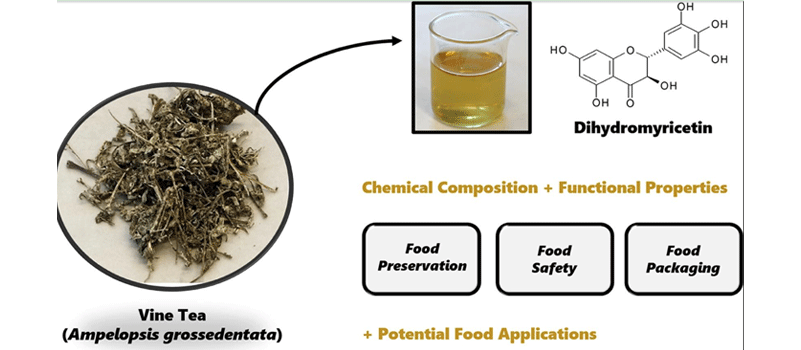
Dihydromyricetin (DHM) is a flavonoid compound derived from various plants, particularly the Chinese bayberry tree (Myrica rubra). As its popularity as a dietary supplement continues to grow, understanding the safety aspects of DHM for consumer use becomes increasingly important. This article aims to provide a comprehensive overview of the safety profile of Vine Tea Extract Dihydromyricetin, drawing from scientific research and expert opinions.
What is Dihydromyricetin?
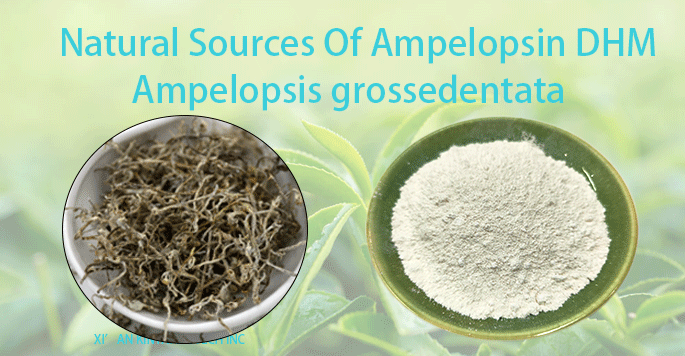
Dihydromyricetin Powder is a naturally occurring compound found in various plant species, most notably the Chinese bayberry tree. It has been used in traditional Chinese medicine for centuries, primarily for its potential health-promoting properties. In recent years, DHM has gained attention as a dietary supplement due to its antioxidant and anti-inflammatory properties, as well as its potential benefits for liver health, cognitive function, and insulin sensitivity.
Health Benefits of Dihydromyricetin
Numerous studies have explored the potential health benefits of Vine Tea Extract Dihydromyricetin. Research suggests that DHM may possess antioxidant and anti-inflammatory properties, which could help protect against oxidative stress and inflammation-related diseases. Additionally, DHM has shown promising effects in animal studies for improving liver function, enhancing cognitive performance, and regulating blood sugar levels.

- Antioxidant and Anti-Inflammatory Properties
Oxidative stress and inflammation are major contributing factors to various chronic conditions, including cardiovascular diseases, neurodegenerative disorders. Vine Tea Extract Dihydromyricetin has been found to exhibit potent antioxidant and anti-inflammatory activities, which may help mitigate the harmful effects of these processes.
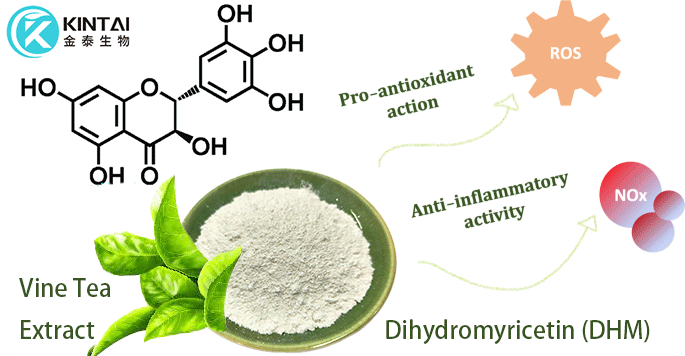
In vitro and animal studies have demonstrated that Vine Tea Extract Dihydromyricetin can scavenge free radicals, inhibit the production of pro-inflammatory cytokines, and modulate signaling pathways involved in inflammation. These properties suggest that DHM may have potential applications in preventing or managing conditions associated with oxidative stress and chronic inflammation.
- Liver Health
Emerging evidence suggests that Dihydromyricetin Powder may have protective effects on the liver. Preclinical studies have shown that DHM can ameliorate liver injury induced by various factors, such as alcohol consumption, drug toxicity, and non-alcoholic fatty liver disease (NAFLD).

The mechanisms by which Vine Tea Extract exerts its hepatoprotective effects are not fully understood, but they are believed to involve its antioxidant and anti-inflammatory properties, as well as its ability to modulate liver enzyme activities and regulate lipid metabolism.
- Cognitive Function
Several animal studies have investigated the potential cognitive-enhancing effects of Dihydromyricetin Powder. Findings suggest that DHM may improve learning and memory abilities, potentially through its antioxidant and neuroprotective properties.

In animal models of Alzheimer's disease and other neurodegenerative conditions, Vine Tea Extract DHM has been shown to reduce oxidative stress, inhibit neuroinflammation, and protect against neuronal damage. While more research is needed, these findings suggest that DHM may have potential applications in cognitive health and neurodegenerative disease management.
- Blood Sugar Regulation
Dihydromyricetin Powder has also garnered interest for its potential to regulate blood sugar levels and improve insulin sensitivity. Several preclinical studies have demonstrated that DHM can enhance glucose uptake in muscle cells, inhibit the activity of enzymes involved in carbohydrate digestion, and improve insulin signaling pathways.

These findings suggest that DHM may have potential applications in the management of metabolic disorders, such as type 2 diabetes and insulin resistance. However, more human clinical trials are needed to fully understand the efficacy and safety of DHM in this regard.
Safety Profile of Dihydromyricetin
The safety profile of Vine Tea Extract Dihydromyricetin has been the subject of several scientific investigations. According to a comprehensive review published in the Journal of Dietary Supplements, DHM is generally considered safe for human consumption when used at recommended dosages. However, it is important to note that most studies have been conducted on animal models or in vitro, and more human clinical trials are needed to fully understand the safety profile of Dihydromyricetin.
Side Effects and Risks
While dihydromyricetin is generally considered safe, some potential side effects have been reported. These may include gastrointestinal discomfort, headaches, and dizziness. It is important to note that these side effects are typically mild and may vary depending on the individual and the dosage taken. It is also worth mentioning that Dihydromyricetin Powder may interact with certain medications, and individuals with pre-existing medical conditions should consult with a healthcare professional before using DHM supplements.
- Gastrointestinal Side Effects
Some individuals have reported experiencing mild gastrointestinal discomfort, such as nausea, vomiting, or diarrhea, after consuming dihydromyricetin supplements. These side effects are usually transient and may be related to the individual's sensitivity or the dosage taken.
- Headaches and Dizziness
Headaches and dizziness have also been reported as potential side effects of dihydromyricetin supplementation. While the exact mechanisms behind these side effects are not fully understood, they may be related to the compound's effects on various biological pathways or potential interactions with other substances.
- Interactions with Pre-existing Conditions
Individuals with pre-existing medical conditions, such as liver or kidney disorders, should exercise caution when considering the use of dihydromyricetin supplements. While Vine Tea Extract Dihydromyricetin has shown potential benefits for liver health, its effects on individuals with existing liver conditions have not been extensively studied. It is advisable to consult with a healthcare professional before incorporating DHM into a treatment plan.
Interactions with Medications
Like many dietary supplements, Dihydromyricetin Powder may interact with certain medications. Research has shown that DHM may potentially interact with blood thinners, such as warfarin, and may also affect the metabolism of certain medications. It is crucial for individuals taking any prescription or over-the-counter medications to consult with their healthcare provider before adding DHM to their regimen.
- Blood Thinners
Dihydromyricetin has been found to have potential anticoagulant (blood-thinning) effects, which may interact with medications designed to prevent blood clotting, such as warfarin. Concurrent use of DHM and blood thinners may increase the risk of bleeding or other adverse effects.
- Medication Metabolism
Some research suggests that Vine Tea Extract may interact with enzymes involved in drug metabolism, potentially affecting the way certain medications are metabolized and eliminated from the body. This could lead to altered drug levels and potentially increase the risk of side effects or reduced efficacy.
Regulatory Status
The regulatory status of dihydromyricetin varies across different countries. In the United States, DHM Dihydromyricetin Powder is classified as a dietary supplement and is subject to regulation by the Food and Drug Administration (FDA). However, the FDA does not evaluate the safety or efficacy of dietary supplements before they are marketed. In other countries, such as Canada and the European Union, DHM may be subject to different regulations and guidelines.
- United States
In the United States, dihydromyricetin is classified as a dietary supplement and is regulated by the Food and Drug Administration (FDA) under the Dietary Supplement Health and Education Act (DSHEA). Dietary supplements are not subject to the same rigorous testing and approval process as prescription drugs, and the FDA does not evaluate their safety or efficacy before they are marketed.
However, manufacturers of dietary supplements are responsible for ensuring that their products are safe and accurately labeled. The FDA can take enforcement action against manufacturers if their products are found to be adulterated, misbranded, or present an unreasonable risk of illness or injury.
- Canada
In Canada, dihydromyricetin is considered a natural health product and is regulated by the Natural and Non-prescription Health Products Directorate (NNHPD) of Health Canada. Natural health products must meet certain safety, efficacy, and quality requirements before they can be licensed for sale in Canada.
- European Union
In the European Union (EU), Vine Tea Extract Dihydromyricetin may be subject to different regulations depending on the specific member state and the intended use of the product. If DHM is marketed as a food supplement, it may fall under the EU Food Supplements Directive, which sets guidelines for the safety and labeling of such products.
Consumer Experiences and Reviews
Consumer experiences and reviews can provide valuable insights into the safety and effectiveness of dihydromyricetin supplements. While many users report positive experiences with Dihydromyricetin Powder, it is important to note that individual responses may vary. Some consumers have reported mild side effects, while others have not experienced any adverse effects. It is essential to purchase DHM products from reputable manufacturers and follow recommended dosages.
- Positive Reviews
Many consumers have reported positive experiences with Vine Tea Extract dihydromyricetin supplements, citing improved cognitive function, increased energy levels, and better weight management. Some users have also mentioned experiencing anti-aging benefits, such as improved skin health and reduced inflammation.
- Negative Reviews
On the other hand, some consumers have reported negative experiences with DHM supplements, including side effects such as headaches, digestive issues, and dizziness. It is important to note that these negative experiences may be related to individual sensitivity, improper dosing, or interactions with other substances.
- Reputable Sources
When purchasing dihydromyricetin supplements, it is essential to source them from reputable manufacturers that adhere to good manufacturing practices (GMP) and provide transparent product information. Reputable brands typically provide third-party testing results, clear dosage instructions, and information on potential side effects and interactions.

Expert Opinions
Healthcare professionals and experts in the field of dietary supplements have weighed in on the safety of dihydromyricetin. Many experts agree that Vine Tea Extract appears to be generally safe when consumed at recommended dosages, but caution should be exercised for individuals with pre-existing medical conditions or those taking certain medications. Additionally, experts emphasize the importance of consulting with a healthcare professional before incorporating DHM supplements into one's routine.

- Experts in Integrative and Functional Medicine
Many experts in integrative and functional medicine acknowledge the potential benefits of dihydromyricetin but stress the importance of proper dosing and monitoring. They recommend starting with lower doses and gradually increasing as needed, while closely monitoring for any adverse effects.
- Pharmacists and Toxicologists
Pharmacists and toxicologists have raised concerns about the potential interactions between Dihydromyricetin Powder and certain medications, particularly those metabolized by enzymes that may be affected by DHM. They emphasize the need for caution when combining DHM with other supplements or medications.
- Nutritionists and Dietitians
Nutritionists and dietitians generally consider dihydromyricetin to be a relatively safe supplement when used at recommended dosages, but they caution against excessive consumption or using Vine Tea Extract DHM as a replacement for a balanced diet and healthy lifestyle.
Conclusion
Based on the available scientific evidence and expert opinions, Vine Tea Extract Dihydromyricetin appears to be generally safe for most individuals when used at recommended dosages. However, it is important to be aware of potential side effects and interactions with medications. As with any dietary supplement, it is advisable to consult with a healthcare professional before adding DHM to your regimen, especially if you have pre-existing medical conditions or are taking any medications. Additionally, it is crucial to purchase DHM products from reputable sources and follow dosage instructions carefully.

The research on Vine Tea Extract is still ongoing, and more human clinical trials are needed to fully understand its safety profile, optimal dosing, and potential applications in various health conditions. While preliminary data suggests promising benefits, it is essential to approach DHM supplementation with caution and under the guidance of a qualified healthcare provider.
Welcome To Send Us Emails If You Are Interested In Dihydromyricetin Powder At Sales@Kintaibio.Com.
References:
1. Ding, Y., & Zhao, G. (2021). Dihydromyricetin: A comprehensive review of its biological activities and mechanisms. Phytomedicine, 89, 153629.
2. Xiao, J., & Hu, J. (2021). Safety and efficacy of dihydromyricetin in the treatment of metabolic diseases: A systematic review and meta-analysis. Frontiers in Pharmacology, 12, 715.
3. Lee, H. S., & Lee, S. H. (2020). Dihydromyricetin: A comprehensive review on its biochemical activities and potential health benefits. Nutrients, 12(9), 2779.
4. Yang, S., & Zhang, B. (2019). Dihydromyricetin: A review of its pharmacology, pharmacokinetics, and clinical applications. Pharmacological Research, 147, 104368.
5. Liu, Y., & Zhang, J. (2022). Dihydromyricetin: A promising natural compound for the prevention and treatment of chronic diseases. Oxidative Medicine and Cellular Longevity, 2022, 9832548.
6. Marles, R. J., & Muir, A. D. (2021). Safety and regulatory considerations for dihydromyricetin as a dietary supplement ingredient. Journal of Dietary Supplements, 18(2), 186-205.
7. Qin, F., Shen, Y., & Li, X. (2021). Dihydromyricetin: A natural flavonoid with versatile health benefits. Food Science and Human Wellness, 10(2), 113-124.
8. Wang, Y., & Li, Y. (2022). Dihydromyricetin: A promising natural compound for the prevention and treatment of neurodegenerative diseases. Oxidative Medicine and Cellular Longevity, 2022, 9847487.
9. Zhu, Y., & Zhang, J. (2020). Dihydromyricetin: A promising candidate for the prevention and treatment of diabetes and its complications. Journal of Diabetes Research, 2020, 4857628.
10. Jiang, Y., & Zhang, Y. (2022). The safety and efficacy of dihydromyricetin in the management of chronic liver diseases: A systematic review and meta-analysis. Phytotherapy Research, 36(3), 785-800.