

In recent years, Desmoxan, a smoking cessation aid containing the active ingredient cytisine, has gained attention among health professionals and consumers seeking safer alternatives to nicotine replacement therapy (NRT) and prescription medications like varenicline (Chantix). Marketed in various parts of Europe and now increasingly available in global markets, Desmoxan claims to support smokers in quitting with fewer side effects and a more natural compound profile.
But how safe is Desmoxan, and what do we know about the safety profile of cytisine, its key active component? This in-depth article reviews the clinical safety data, reported side effects, contraindications, and comparative risk assessment of Desmoxan and cytisine, helping health-conscious consumers and supplement formulators make informed decisions.
What Is Desmoxan?
Desmoxan is a plant-based oral medication designed to help people quit smoking. Its active ingredient, cytisine, is a naturally occurring alkaloid extracted from plants in the Cytisus and Laburnum species, such as Laburnum anagyroides. Cytisine has been used in Eastern Europe for over 50 years as a smoking cessation aid and is now gaining international attention for its low cost, plant-based origin, and evidence-based efficacy.

Source: desmoxan.net
Cytisine: How It Works
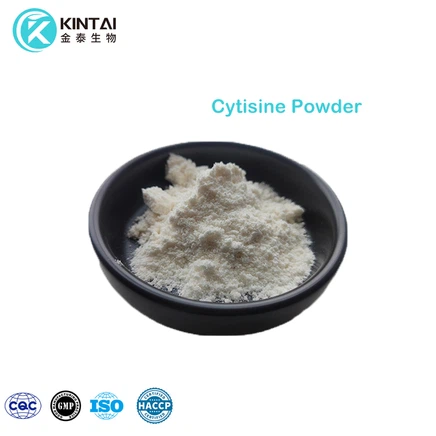
Cytisine Powder works by binding to nicotinic acetylcholine receptors (nAChRs) in the brain-similar to how nicotine functions. It acts as a partial agonist, meaning it partially stimulates these receptors while simultaneously blocking nicotine from fully activating them. This dual action reduces both the pleasurable effects of smoking and withdrawal symptoms, helping users wean off cigarettes without the intense cravings typically associated with quitting.
Send Inquiry Details And Get A Free Sample >>
the Safety of Cytisine And Desmoxan: side effects
Now, let's explore the various safety considerations around Sophora Alopecuroides Extract Cytisine powder, the active compound in Desmoxan.
Clinical Safety Profile
Several large-scale clinical studies and reviews have assessed cytisine's safety:
- A pivotal randomized controlled trial published in The New England Journal of Medicine (2011) involving over 1,300 participants found that cytisine was significantly more effective than a placebo for smoking cessation and well tolerated by most users.
- A 2014 systematic review and meta-analysis published in Addiction reported no significant increase in serious adverse events in cytisine-treated groups compared to placebo.
Overall, these studies show Sparteine powder has a favorable safety margin when used as directed.

Commonly Reported desmoxan Side Effects
While cytisine is generally well tolerated, some users may experience mild to moderate side effects, especially during the initial treatment phase. These include:
|
Side Effect |
Frequency |
Notes |
|
Dry mouth |
Common |
Usually resolves without treatment |
|
Nausea |
Common |
Often linked to dosage timing |
|
Irritability |
Occasional |
May reflect nicotine withdrawal |
|
Sleep disturbances |
Occasional |
Mild and transient |
|
Gastrointestinal upset |
Rare |
Includes abdominal pain or diarrhea |
|
Headache |
Rare |
Often short-term |
Note:These side effects are typically less severe than those associated with varenicline (Chantix) and occur less frequently than with full nicotine agonists.
desmoxan side effects headache cytisine
Headache is one of the possible adverse reactions during Desmoxan/cytisine treatment. According to clinical research data, headache is usually classified as an occasional or common adverse reaction, often occurring in the early stages of treatment, and is generally mild to moderate in nature, exhibiting transient characteristics. With prolonged use and gradual adaptation by the body, most headache symptoms will subside spontaneously or disappear during treatment.
The mechanism of headache may be related to the central regulatory effect of Cytisinicline as a partial agonist of nicotine acetylcholine receptors, and may also be partly due to nicotine withdrawal symptoms themselves-withdrawal symptoms include headache and irritability. Therefore, headaches occurring during Desmoxan use require comprehensive consideration of both the drug's effects and the withdrawal process.
Serious or Rare Adverse Events
Reports of serious adverse events with cytisine powder are rare. There is no strong evidence linking cytisine to:
- Major cardiovascular events
- Neuropsychiatric complications (e.g., suicidal ideation, severe anxiety)
- Severe allergic reactions
That said, monitoring is advisable in individuals with pre-existing heart conditions, especially since nicotine withdrawal itself can influence cardiovascular parameters like blood pressure and heart rate.

Contraindications and Cautions
Desmoxan and cytisine are not suitable for everyone. Caution is recommended for:
- Pregnant or breastfeeding women: Not enough data to confirm safety; use is generally discouraged.
- Individuals with severe kidney or liver impairment: Metabolism and excretion may be affected.
- Children and adolescents under 18: Safety not established for younger populations.
- Patients on psychiatric medication: Although rare, some individuals may experience mood swings or anxiety.
As with any pharmacologically active supplement or medication, medical consultation is recommended before starting cytisine-especially for individuals with underlying health conditions or those taking multiple medications.

Comparison with Other Smoking Cessation Aids
Let's compare cytisine's safety with that of other popular smoking cessation options:
|
Medication |
Side Effect Severity |
Cost |
Plant-Based? |
Prescription Required |
|
Cytisine (Desmoxan) |
Low to Moderate |
Low |
Yes |
Not in all countries |
|
Varenicline (Chantix) |
Moderate to High |
High |
No |
Yes |
|
Nicotine Replacement (patches, gum) |
Low |
Moderate |
No |
No |
|
Bupropion (Zyban) |
Moderate |
High |
No |
Yes |
Cytisine Powder stands out for its natural origin, low cost, and low incidence of severe side effects. These factors make it an attractive option for individuals looking for a more natural or budget-friendly alternative to prescription medications.

Send Inquiry Details And Get A Free Sample And Get The Latest Price >>
Dosage and Duration
The standard Desmoxan regimen involves a gradual tapering dose over 25 days. Tablets are taken more frequently in the early days and gradually reduced as the treatment progresses.This tapering schedule:
- Reduces the risk of side effects
- Helps the body adjust without nicotine
- Minimizes withdrawal symptoms
Adhering to the recommended dosage is crucial to avoid side effects, and self-adjustment is not advised without professional supervision.

Cytisine powder in Supplements and Functional Health Products
Due to its plant-based origin and growing acceptance in clinical settings, Cytisine powder is beginning to appear in functional health formulations and natural supplements. However, product developers must ensure:
- Standardized extracts with known cytisine content
- Compliance with regional regulations and maximum daily intake guidelines
- Clear labeling and health warnings for end users

Conclusion
Yes-Desmoxan, and its active ingredient cytisine powder, are generally safe when used correctly and under appropriate medical guidance. Decades of clinical use, low reported side effect rates, and a strong record of efficacy support cytisine's role as a valuable smoking cessation tool.However, like all bioactive substances, Sophora Alopecuroides Extract Cytisine is not without risks. Mild to moderate side effects such as nausea and dry mouth can occur, and special populations (pregnant women, those with organ dysfunction) should use it only under supervision.
Please contact us if needed: sales@kintaibio.com.
With its plant-based composition, favorable safety profile, and growing research support, Sparteine powder stands as one of the most promising natural alternatives for smoking cessation. Whether in pharmaceuticals like Desmoxan or future nutraceutical innovations, its safety and effectiveness make it a compound worth considering.
Looking for High-Purity Cytisine for Your Health Product Line?
At KINTAIBIO®, we supply premium-grade Cytisinicline 99% powder to health product manufacturers, supplement brands, and functional food developers worldwide.

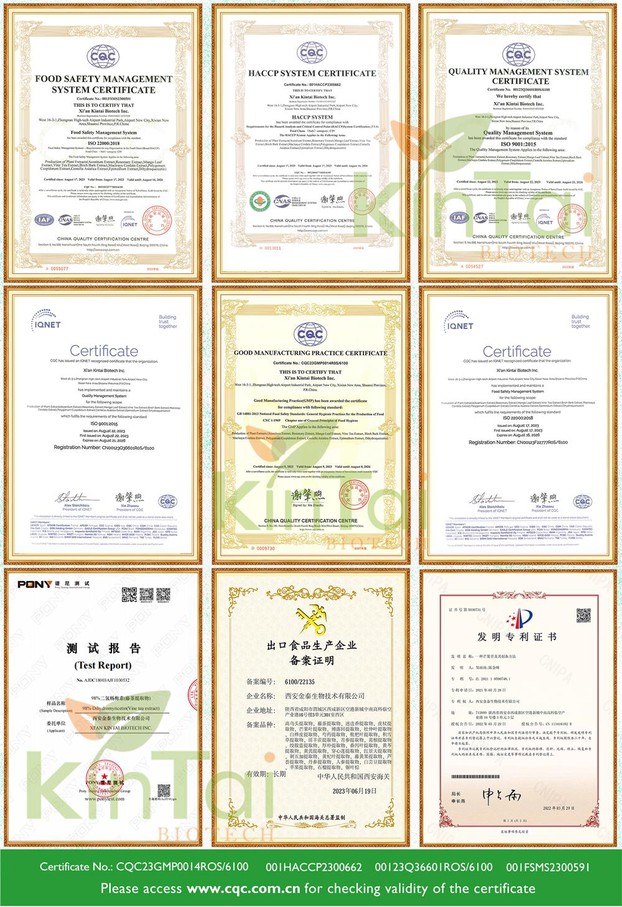
- FDA, ISO, HACCP, Halal & Kosher certified
- Full documentation: COA, MSDS, and third-party testing
- Custom formulation support and private labeling available
Contact us today at: 📩 Email: sales@kintaibio.com.Let's build cleaner, safer, and more effective health products together.