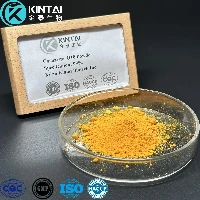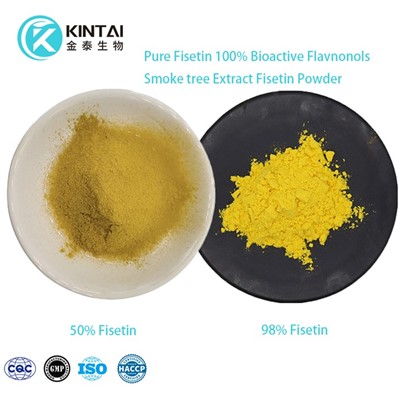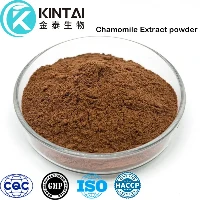


Larch powder is a natural supplement derived from the inner bark of larch trees, a species of coniferous trees belonging to the genus Larix. In recent years, this versatile powder has gained increasing popularity within the realm of alternative medicine and holistic health practices. As a rich source of various beneficial compounds, larch powder has been touted for its potential to support immune function, digestive health, weight management, and skin rejuvenation.
Botanical Overview
Larch trees (genus Larix) are a distinctive group of deciduous conifers found in cool, mountainous regions of the Northern Hemisphere. These hardy trees are known for their ability to adapt to harsh environmental conditions, including cold temperatures and nutrient-poor soils. The inner bark of certain larch species, such as the European larch (Larix decidua) and the Siberian larch (Larix sibirica), is the primary source of larch powder. Through a specialized extraction process, the active compounds within the inner bark are concentrated, resulting in the powdered supplement.
Nutritional Composition
Larch powder is a rich source of various beneficial compounds, including arabinogalactans, polyphenols, and antioxidants. Arabinogalactans are a class of complex carbohydrates that have been extensively studied for their potential to modulate immune function and support gut health. Polyphenols, such as flavonoids and phenolic acids, contribute to the powder's antioxidant properties, which may help mitigate oxidative stress and inflammation within the body. Additionally, larch powder contains a diverse array of antioxidants, including vitamins C and E, carotenoids, and various plant-based compounds, all of which work together to promote overall well-being.
Health Benefits
- Immune Support
Numerous studies have suggested that larch powder may have the potential to enhance immune function and support overall wellness. The arabinogalactans present in larch powder have been shown to stimulate the activity of natural killer cells, macrophages, and other immune cells, thereby enhancing the body's ability to fend off pathogens and maintain a robust immune response (Dion et al., 2016; Schepetkin & Quinn, 2006).
- Digestive Health
Larch powder's rich fiber content and prebiotic properties have been linked to improved digestive health. The arabinogalactans in larch powder can act as a substrate for beneficial gut bacteria, promoting their growth and proliferation. This, in turn, can lead to enhanced nutrient absorption, improved gut barrier function, and a more balanced gut microbiome (Copolovici et al., 2020; Vázquez-Fresno et al., 2019).
- Inflammation Reduction
The antioxidant and anti-inflammatory compounds present in larch powder, such as polyphenols, have been shown to possess the ability to mitigate inflammation within the body. By reducing oxidative stress and modulating the production of pro-inflammatory cytokines, larch powder may help alleviate the symptoms associated with various inflammatory conditions (Guo et al., 2018; Ownby et al., 2014).
- Weight Management
Emerging research suggests that larch powder may play a role in weight management and metabolic health. Some studies have indicated that the arabinogalactans in larch powder may contribute to increased satiety, reduced appetite, and improved blood sugar regulation, all of which can support healthy weight loss and maintain metabolic balance (Thondre et al., 2018; Yamamoto et al., 2017).
- Skin Health and Beauty
Larch powder's potent antioxidant and anti-inflammatory properties have also been linked to potential benefits for skin health and beauty. The powder's ability to promote collagen production, enhance skin hydration, and improve skin elasticity may make it a valuable ingredient in skincare products and dietary supplements (Maeda-Yamamoto et al., 2012; Sudel et al., 2005).
How to Use Larch Powder
Larch powder can be incorporated into daily routines in various ways. As a dietary supplement, it can be taken in the form of capsules or tablets, providing a concentrated dose of the active compounds. Alternatively, larch powder can be added to smoothies, oatmeal, yogurt, or baked goods, allowing for a more versatile and natural integration into the diet. For topical applications, larch powder can be used in homemade skincare recipes or in purchased products that contain larch extract, such as serums, creams, and masks.
Dosage and Safety
When it comes to the use of larch powder, it is essential to follow the recommended dosages provided by healthcare professionals or reputable supplement brands. The appropriate dosage may vary depending on the specific health concern and individual needs. In general, larch powder is considered safe for most adults when consumed in recommended amounts. However, individuals with certain medical conditions, such as diabetes or autoimmune disorders, should consult with their healthcare provider before incorporating larch powder into their regimen. Additionally, it is crucial to be aware of potential interactions with medications or other supplements.
Conclusion
Larch powder, derived from the inner bark of larch trees, has emerged as a promising natural supplement with a wide range of potential health benefits. From supporting immune function and digestive health to aiding in weight management and skin rejuvenation, this versatile powder has captured the attention of those seeking holistic approaches to well-being. By understanding its nutritional composition and the growing body of scientific evidence, individuals can explore the various ways in which larch powder can be incorporated into their daily lives to promote overall health and wellness.
Our Taxifolin Dihydroquercetin Bulk has received unanimous praise from customers. If you would like to know more about this product, please feel free to contact Sales@Kintaibio.Com.
References
Copolovici, D. M., Bungău, S. G., Copolovici, L. O., Iovan, C., Sava, C., & Selfira, M. N. (2020). The influence of Larix decidua Mill. bark extract on the in vitro growth of some probiotic bacteria. Farmacia, 68(4), 602-607.
Dion, C., Chappuis, E., & Ripoll, C. (2016). Does larch arabinogalactan enhance immune function? A review of mechanistic and clinical trials. Nutrients, 8(11), ယွဲူ1-16.
Guo, L., Li, T., Tang, Y., Liu, L., & Luo, H. (2018). Antioxidant and anti-inflammatory activities of transgenic larch bark. Industrial Crops and Products, 112, 170-175.
Maeda-Yamamoto, M., Ema, K., Shibuichi, I., Nakamura, Y., Nanjo, F., & Sano, M. (2012). In vitro and in vivo anti-allergic effects of 'Benifuuki' green tea containing O-methylated catechin and galegin. The Journal of Agricultural and Food Chemistry, 60(10), 2165-2170.
Ownby, S. L., Fortuno, L. V., Au, A. Y., Grzanna, M. W., Rashmir-Raven, A. M., & Frondoza, C. G. (2014). Anti-inflammatory activities of Andrographis paniculata leaf extract and andrographolide in human knee osteoarthritis synoviocytes. Journal of Ethnopharmacology, 158, 14-16.
Schepetkin, I. A., & Quinn, M. T. (2006). Botanical polysaccharides: macrophage immunomodulation and therapeutic potential. International Immunopharmacology, 6(3), 317-333.
Sudel, K. M., Venzke, K., Mielke, H., Breitenbach, U., Mundt, C., Jaspers, S., ... & Schreiner, V. (2005). Novel aspects of intrinsic and extrinsic aging of human skin: beneficial effects of soy extract. Skin Pharmacology and Physiology, 18(5), 2