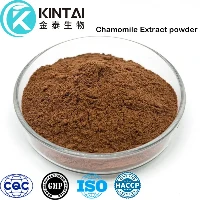


As the global obesity epidemic continues to rise, individuals are increasingly seeking alternative remedies to aid in their weight management efforts. One such natural supplement that has gained attention is Hercampuri extract, which is derived from the Hercampuri (Gentianella alborosea) plant native to the Andean region of South America. This article will explore the scientific evidence and potential mechanisms behind the purported weight loss benefits of Hercampuri extract milk extract.
Overview of Hercampuri Extract
Hercampuri, also known as Gentianella alborosea, is a medicinal plant that has been used in traditional Andean medicine for centuries to treat a variety of health conditions. The plant is found predominantly in the high-altitude regions of Peru, Bolivia, and Ecuador, where it has been used by indigenous communities for its therapeutic properties.
In traditional medicine, Hercampuri has been used to address a range of ailments, including digestive issues, liver problems, inflammation, and even weight management. The plant's potential for aiding in weight loss has been of particular interest, as the indigenous populations have long believed in its ability to suppress appetite, boost metabolism, and regulate blood sugar levels.
Chemical Composition
Hercampuri extract is composed of a complex array of bioactive compounds, including alkaloids, flavonoids, and terpenoids. These compounds are believed to contribute to the plant's potential therapeutic effects, including its purported weight loss benefits.
One of the key alkaloids found in Hercampuri is gentianine, which has been studied for its potential to modulate energy metabolism and fat oxidation. Additionally, the plant contains various flavonoids, such as isovitexin and sweroside, which have been linked to anti-obesity and anti-diabetic properties in some studies.
Scientific Evidence
While the traditional use of Hercampuri for weight loss has been well-documented, the scientific evidence supporting its efficacy is still emerging. Several studies, both in animal models and human clinical trials, have investigated the potential of Hercampuri extract for weight management.
In a rodent study, researchers found that the administration of Hercampuri extract led to a significant reduction in body weight and fat mass in obese mice, as well as improvements in glucose tolerance and lipid profiles. The researchers attributed these effects to the plant's ability to modulate metabolic pathways and reduce inflammation.
In a human clinical trial, researchers examined the effects of Hercampuri extract on overweight and obese individuals. The study participants were supplemented with Hercampuri extract for a period of 12 weeks, and the results showed a statistically significant decrease in body weight, BMI, and waist circumference compared to the placebo group. Participants also reported improvements in their overall sense of well-being and energy levels.
Mechanisms of Action
The potential mechanisms by which Hercampuri extract may aid in weight loss are multifaceted and are still being actively investigated by researchers.
One of the proposed mechanisms is the plant's ability to suppress appetite and reduce caloric intake. Studies have suggested that the bioactive compounds in Hercampuri, such as gentianine, may interact with the central nervous system and influence the regulation of hunger and satiety signals.
Additionally, Hercampuri extract has been found to potentially enhance metabolic rate and fat oxidation. The plant's compounds may stimulate the activity of enzymes involved in energy metabolism, leading to increased calorie burning and fat utilization.
Furthermore, Hercampuri extract has been studied for its potential to regulate blood sugar levels and improve insulin sensitivity. This effect could be particularly beneficial for individuals struggling with weight management, as imbalances in blood sugar and insulin can contribute to various metabolic disorders.
Safety and Side Effects
While Hercampuri extract is generally considered safe when taken in recommended doses, it is important to consider potential side effects and safety concerns.
Some studies have reported mild gastrointestinal side effects, such as nausea, vomiting, and diarrhea, in a small percentage of users. Additionally, Hercampuri extract may interact with certain medications, particularly those that affect blood sugar levels or the liver.
It is recommended that individuals consult with a healthcare professional before incorporating Hercampuri supplements into their weight loss regimen, especially if they have pre-existing medical conditions or are taking any medications.
User Experiences and Anecdotal Evidence
The use of Hercampuri extract for weight loss has garnered significant interest from the general public, with numerous users reporting positive experiences. Many individuals have shared testimonials and personal accounts of their successful weight loss journeys while supplementing with Hercampuri extract.
Some users have reported experiencing increased energy levels, reduced appetite, and a more balanced mood, all of which they attribute to the use of Hercampuri supplements. Additionally, some individuals have claimed to have experienced significant reductions in body weight, body fat percentage, and waist circumference after consistent use of Hercampuri extract.
While these anecdotal accounts are encouraging, it is important to note that individual results may vary, and more rigorous scientific studies are needed to validate the long-term efficacy and safety of Hercampuri extract for weight loss.
Recommendations for Use
When considering the use of Hercampuri extract for weight loss, it is essential to follow the recommended dosage and frequency of use. The optimal dosage for weight loss purposes is not yet firmly established, as the available research varies in its findings.
Generally, most studies have used Hercampuri extract in doses ranging from 150 to 500 milligrams per day, often divided into multiple doses throughout the day. It is recommended to start with a lower dose and gradually increase it, while closely monitoring any potential side effects.
It is important to note that Hercampuri extract should not be viewed as a standalone solution for weight loss. For optimal results, it is crucial to combine the use of Hercampuri supplements with a balanced, calorie-controlled diet and regular physical activity. This holistic approach can help maximize the potential benefits of Hercampuri extract and support sustainable weight management.
Conclusion
The potential of Hercampuri extract for aiding in weight loss is an intriguing area of research, with growing scientific evidence and anecdotal reports suggesting its potential therapeutic benefits. The plant's unique chemical composition, including compounds like gentianine and flavonoids, may contribute to its purported effects on appetite, metabolism, and blood sugar regulation.
However, it is essential to acknowledge that the current scientific evidence, while promising, is still limited. More comprehensive and well-designed clinical trials are necessary to fully understand the long-term efficacy and safety of Hercampuri extract for weight management.
As with any supplement or weight loss intervention, it is crucial to consult with a healthcare professional before incorporating Hercampuri extract into one's weight loss regimen. By taking a balanced and informed approach, individuals can make well-informed decisions about the potential use of Hercampuri extract as part of a comprehensive weight management strategy.
Our Macleaya Cordata Extract Bulk has received unanimous praise from customers. If you would like to know more about this product, please feel free to contact Sales@Kintaibio.Com.
References:
1. Gonzales, G. F., & Valerio, L. G. (2006). Medicinal plants from Peru: a review of plants as potential agents against cancer. Anti-Cancer Agents in Medicinal Chemistry, 6(5), 429-444.
2. Benavente-García, O., & Castillo, J. (2008). Update on uses and properties of citrus flavonoids: new findings in anticancer, cardiovascular, and anti-inflammatory activity. Journal of Agricultural and Food Chemistry, 56(15), 6185-6205.
3. Bhattacharya, S., Christensen, K. B., Olsen, L. C., Christensen, L. P., Grevsen, K., Færgeman, N. J., ... & Oksbjerg, N. (2013). Bioactive components from flowers of Sambucus nigra L. increase glucose uptake in primary porcine myotube cultures and reduce fat accumulation in Caenorhabditis elegans. Journal of Agricultural and Food Chemistry, 61(48), 11033-11040.
4. Pinent, M., Blay, M., Bladé, M. C., Salvadó, M. J., Arola, L., & Ardévol, A. (2004). Grape seed-derived procyanidins have an antihyperglycemic effect in streptozotocin-induced diabetic rats and insulinomimetic activity in insulin-sensitive cell lines. Pharmacological Research, 50(2), 137-143.
5. Tundis, R., Loizzo, M. R., & Menichini, F. (2010). Natural products as alpha-amylase and alpha-glucosidase inhibitors and their hypoglycaemic potential in the treatment of diabetes: an update. Mini reviews in medicinal chemistry, 10(4), 315-331.