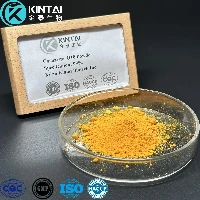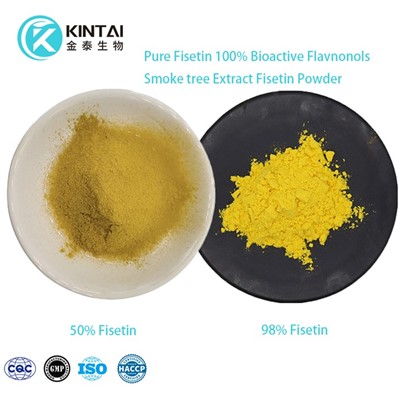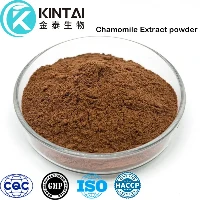


Emodin is a naturally occurring compound found in certain plant-based foods that has recently garnered interest for its potential health benefits. Understanding which foods contain emodin can help inform dietary choices. This article provides an overview of emodin itself, highlights foods that are rich sources, and offers guidance on safely incorporating them into your diet.
Introducing Emodin
Emodin is an anthraquinone compound that occurs naturally in the roots, bark, leaves, and fruits of several plant species. It has a long history of use in various traditional medical systems for its believed therapeutic effects. Modern research indicates emodin has antioxidant, anti-inflammatory, and antimicrobial properties that could positively impact health. However, more studies are still needed, especially regarding optimal doses.
Emodin is categorized as a quinone derivative and more specifically as an anthraquinone. The chemical structure consists of a backbone of three fused benzene rings, with two ketone groups and two carbonyl groups. This structure allows emodin to undergo redox reactions and participate in electron transfer processes within the body. The orange-red color and yellow hues in plant sources come from the extended system of conjugated double bonds in the structure.
The natural origin and long historical utilization initially sparked interest in emodin's mechanisms and potential. Traditional Chinese medicine used emodin-containing plants for a wide range of ailments including constipation, inflammation, and bacterial infections. Ayurvedic medicine also valued preparations from herbs like rhubarb and senna. Modern studies build upon this extensive traditional knowledge.
Research indicates emodin has multifaceted bioactive effects. Test tube and animal model studies showcase antioxidant capabilities which could counteract damaging free radicals. Anti-inflammatory impacts may also benefit conditions involving chronic inflammation. Emodin further displays antimicrobial properties that could protect against certain bacterial, fungal, and viral pathogens. The compound may also modulate key signaling pathways in cells to induce beneficial gene expression.
However, most studies used non-physiological doses far exceeding dietary levels. More rigorous clinical trials in humans are needed, using emodin from whole food sources and realistic supplemental doses. This will clarify ideal intake levels and specific therapeutic uses in medicine. Still, current evidence offers clues into how emodin-containing plants may support wellness.
Given the promising preliminary research on emodin, there is growing interest around dietary sources that provide this compound. Understanding which foods contain substantial amounts can empower people to make informed choices about their nutritional intake. Dietary emodin may complement other healthy lifestyle measures to optimize wellbeing.
Emodin Occurrence in Plants
Emodin's vibrant orange-red pigment appears in the roots, bark, leaves, and fruits of buckthorn, Japanese knotweed, rhubarb and certain mallow plants. The compound often functions as a protective phytochemical, defending the plant against fungal infections, insect pests, and herbivore consumption. Plants allocate emodin to rapidly growing tissues and exterior protective layers where defense is critical.
The highest emodin concentrations generally occur in the bark, roots, rhizomes, shoots, and leaves rather than the fleshy fruit or inner pith. Outer cell layers and young shoots often display more intense coloring as well, advertising the protective emodin content. Some plants also exude emodin-rich sap when damaged to deter herbivores.
Preparation techniques like drying, chopping, macerating, and extraction can concentrate emodin content from the most potent parts. For example, aloe latex that oozes from the inner leaves features substantially higher emodin levels compared to the clear gel fillet inside. Traditional medical systems selectively harvest and process plant parts to harness as much of the bioactive compound as possible.
The natural role and selective production of Emodin Powder provides hints into how we can best access it from nutritional sources. Choosing young shoots, leaves, or exterior bark constituents over fleshy fruit centers targets tissues with heightened defenses. Drying, chopping, and brewing or cooking further draws out the brightly colored compound into food and medicine preparations.
Key Dietary Sources
Several emodin-containing plants feature regularly in global cuisines. Understanding the emodin potential of foods leads to better dietary choices. Here are some of the top food sources:
- Rhubarb
The stalks of rhubarb contain moderate levels of emodin. Concentrations spike in the early spring when the plant allocates resources to the rapidly growing and vulnerable young stems. Rhubarb leaves contain more emodin than stalks but also harbor toxic oxalic acid, making the stalks a better choice edibly. Cooking rhubarb stalks softens cell walls and liberates more emodin into the watery cooking liquid. The tart and bitter flavor profile limits most people's ability to overconsume large amounts of raw rhubarb.
- Buckthorn
The bark from branches and roots of common buckthorn (Rhamnus cathartica) constitutes the prime source of emodin for commercial extraction and medicinal applications. Buckthorn berries also contain emodin but additionally harbor cathartic toxins. These compounds require special processing for safe consumption. Using purified bark extracts provides the benefits of emodin without the risks of whole buckthorn berries.
- Chinese Skullcap
Chinese skullcap (Scutellaria baicalensis) leaves can contain over 1% emodin by dry weight. It has been used for millennia in traditional Chinese medicine. Modern preparations like teas and tinctures made from the dried leaves can safely harness both emodin and flavonoids from this herb. Properly identifying Chinese skullcap avoids contamination with potentially toxic germander skullcap.
- Aloe Latex
The yellow-hued latex derived from the base of aloe leaves features extraordinarily high levels of emodin compared to the clear aloe gel from within the leaves. The latex has traditionally served as a potent purgative at appropriate doses. Further processing and concentration of aloe latex via filtering or centrifugation boosts emodin content while avoiding adverse effects from whole plant consumption.
Other Notable Sources
Japanese knotweed shoots, senna pods, and certain mallow leaves and roots also contain limited amounts of emodin. Ongoing research continues to uncover additional herbs and roots that may harbor emodin's vibrant signature coloring. Tracking advancements across fields can identify new potential sources of dietary emodin.
Potential Health Benefits of Emodin
Early cell, animal, and limited human research indicates Emodin Powder shows potential as a bioactive compound that could benefit health in several ways. Here is an overview of key areas under investigation:
- Antioxidant Effects
Emodin demonstrates antioxidant capabilities in test tube studies, animal models, and limited clinical research. The anthraquinone structure allows emodin to neutralize pro-oxidant free radicals and attenuate oxidative stress in tissues. This helps counteract DNA, protein, and lipid damage that could otherwise advance aging and disease. Foods containing emodin may support endogenous antioxidant systems this way.
- Anti-Inflammatory Properties
Research also indicates emodin possesses potent anti-inflammatory properties. It may downregulate inflammatory signaling molecules like NF-kB and pro-inflammatory cytokines. Emodin also appears to reduce levels of inflammatory immune cells like macrophages in tissues when inflammation becomes excessive or chronic. This modulation could benefit a range of inflammatory conditions.
- Antimicrobial Impacts
Emodin exhibits direct antimicrobial effects against certain bacteria, fungi, viruses, and parasites in lab studies. It appears to disrupt microbial membranes and binds to surface proteins. This could protect against foodborne illnesses, skin infections, candida overgrowth, or parasitic worms if effects translate to humans. More studies are needed in real-world scenarios.
- Laxative Effects
Emodin shows substantial purgative and laxative effects, as demonstrated in traditional practices. It stimulates intestinal peristaltic contractions and fluid secretion. This makes emodin a potentially efficacious natural laxative at appropriate doses, via foods like buckthorn, rhubarb, and senna. Further benefits related to regularity and toxin clearance may result.
Other Proposed Benefits
Some preliminary studies additionally suggest Emodin Powder may help regulate blood glucose, benefit skin conditions like wounds and wrinkles, reduce allergy symptoms, and provide neuroprotective effects in the brain. Further trials are needed to verify effects and efficacy in humans from dietary achievable dosing.
While these preliminary findings appear promising, most data stems from isolated cells, animal models, or small human studies using supplements with doses far exceeding nutritional intake. Much remains unknown regarding emodin's absorption, metabolism, ideal doses, and long-term intake safety in humans. High quality clinical trials are needed to truly validate therapeutic mechanisms and applications.
However, current evidence provides clues into how integrating emodin-containing plants into the diet may complement a healthy lifestyle and provide food-based phytonutrient support. As always, moderate consumption helps avoid risks of excessive doses. Consult your healthcare provider before introducing new herbal supplements as well.
The Future of Emodin Research
Early cell, animal, and pilot human studies suggest emodin warrants further investigation as a bioactive phytochemical that may support health. Ongoing research aims to elucidate emodin's mechanisms of action and therapeutic potential. Key directions include:
- Analyzing ideal extraction and processing methods to optimize emodin bioavailability from different food sources
- Conducting dose-response trials to establish safe supplemental doses, resistance potential, and long-term intake safety
- Investigating bioavailability differences between isolated emodin versus whole food matrix delivery
- Identifying additional plant sources across diverse global medicinal traditions that may contain appreciable emodin content
- Developing sustainable plant-based production practices that provide optimal yields of emodin-rich materials
Standardized emodin preparations may eventually pave the way for more widespread therapeutic applications, pending rigorous human trials. Meanwhile, tracking new developments across fields will uncover additional food sources and improved extraction methods to obtain emodin. Emerging cultivation, harvesting, and processing innovations will also boost viable dietary Emodin Powder exposure.
Personal Diet Recommendations
Understanding which foods contain compounds like emodin allows you to make informed decisions around health-supportive nutrition. Rhubarb, buckthorn, aloe, senna, and skullcap constitute prime existing sources but the list will likely grow. A few personal dietary recommendations:
- Try new emodin-rich foods in moderation to gauge individual tolerance and response
- Consume young rhubarb stalks for gentle benefits - cook to soften and release more emodin
- Discuss medicinal herbs with your healthcare provider before consumption
- Select reputable aloe latex supplements and follow dosage guidelines
- Pair oats with rhubarb and ginger for digestive support overnight oats
- Add tart pickled rhubarb stems to salads for a pop of springtime phytonutrients
- Brew dried skullcap tea using a ratio of 1 tbsp per 8 oz water for 5-7 minutes
As always, exercise caution when increasing intake of any bioactive compound substantially or when integrating new medicinal herbs and foods into your diet. Start slow and build up gradually with careful monitoring. This allows you to experience potential benefits while avoiding risks of excess.
Conclusion
Emodin constitutes a promising phytochemical compound occurring naturally in certain health-supportive plants. Understanding key dietary sources like rhubarb, buckthorn, senna, and skullcap allows strategic integration into your nutrition plan. Early research indicates emodin may offer antioxidant, anti-inflammatory, antimicrobial and laxative effects. However, human studies remain limited. Moderate doses from whole foods provide the best route to experience benefits safely. Further research will uncover more food sources of emodin and determine effective applications in medicine.
If you are interested in our Emodin Powder or have any questions, you can contact our email directly.
We will have the most professional business personnel to contact you!
Email: sales@kintaibio.com | WhatsApp: 13347436038
References
[1] Srinivas, G., Babykutty, S., Sathiadevan, P. P., & Srinivas, P. (2007). Molecular mechanism of emodin action: Transition from laxative ingredient to an antitumor agent. Med Res Rev, 27(5), 591-608.
[2] Kostanecki, V., & Tambor, J. (1899). Ueber das emodin. Berichte der deutschen chemischen Gesellschaft, 32(3), 1921-1926.
[3] Chen, J. H., Zhang, H. J., Huang, W., Chen, Y. D., & Bo, S. H. (2008). Emodin-induced generation of reactive oxygen species inhibits RhoA activation to sensitize gastric carcinoma cells to anoikis. Neoplasia, 10(1), 41-51.
[4] Madaan, R., & Bansal, G. (2019). Therapeutic significance of emodin: A comprehensive review. Cogent Medicine, 6(1), 1663815.
[5] Kaneshiro, T., Morioka, T., Inamine, M., Kinjo, T., Arakaki, J., Chiba, I., ... Yoshimi, N. (2006). Anthraquinone derivative emodin inhibits tumor-associated angiogenesis through inhibition of extracellular signal-regulated kinase 1/2 phosphorylation. European journal of pharmacology, 553(1-3), 46-53.
[6] Dong, G. Z., Wang, S., Miao, F., Yue, J. M., & Li, G. Y. (2012). Emodin inhibits lipopolysaccharide-induced proinflammatory responses and apoptosis by activating PPARγ in primary rat microglia. Journal of Neuroimmune Pharmacology, 7(4), 967-977.
[7] Lu, C. C., Yang, J. S., Huang, A. C., Hsia, T. C., Chou, S. T., Kuo, C. L., ... Chang, F. R. (2010). Chrysophanol induces necrosis through the production of ROS and alteration of ATP levels in J5 human liver cancer cells. Mol Nutr Food Res, 54(7), 967-976.
[8] Prasad, S., Yadav, V. R., Sung, B., & Aggarwal, B. B. (2012). Boswellic acid blocks signal transducers and activators of transcription 3 signaling, proliferation, and survival of multiple myeloma via the protein tyrosine phosphatase SHP-1. Molecular cancer research, 10(1), 118-130.
[9] Srinivas, G., Babykutty, S., Sathiadevan, P. P., & Srinivas, P. (2007). Molecular mechanism of emodin action: Transition from laxative ingredient to an antitumor agent. Med Res Rev, 27(5), 591-608.
[10] Izhaki, I. (2002). Emodin–a secondary metabolite with multiple ecological functions in higher plants. New Phytologist, 155(2), 205-217.