

Taxifolin (dihydroquercetin, TAX), as a natural flavonoid compound, has gradually become an important ingredient in various health products due to its rich biological activities and wide range of health benefits. More and more studies have shown that Taxifolin has significant biological activities in anti-oxidation, anti-bacterial, anti-inflammatory, anti-tumor and other aspects, making its application in the fields of medicine and nutrition more and more extensive. This article will explore Dihydroquercetin Taxifolin Powder's main beneficial properties in detail, combining the latest research data to provide a comprehensive analysis.


1. Antioxidant Effect
One of Larch Bark Extract Taxifolin's most significant properties is its antioxidant effect. Studies have shown that it can effectively remove free radicals in the body and reduce the damage caused by oxidative stress to cells. Oxidative stress is a major contributor to several chronic diseases, such as cardiovascular disease, diabetes, and aging, and antioxidants, therefore, play an important role in preventing these diseases.

IC50 value: Studies have shown that Taxifolin Dihydroquercetin exhibits strong activity in scavenging superoxide radicals (O₂•−), DPPH free radicals, ABTS+• free radicals, and Fe+ chelation. For example, the IC50 value of Taxifolin in scavenging superoxide free radicals is 9.91 μg/ml, and the IC50 value in scavenging ABTS+• free radicals is 0.83 μg/ml, which is much lower than the standard antioxidant butylated hydroxyanisole (BHA).
Antioxidant effect: Compared with Trolox, Taxifolin showed stronger effects in scavenging multiple free radicals, especially in scavenging DPPH• and ABTS+• free radicals, with IC50 values of 16 μg/ml and 4.6 μg/ml, respectively.
These data indicate that Taxifolin far exceeds some common antioxidants in multiple antioxidant activities, and its antioxidant effect provides important protection against cardiovascular disease, skin aging, cognitive decline, etc.
2. Antimicrobial activity
Dihydroquercetin DHQ exhibits significant inhibitory effects on a variety of pathogenic bacteria, especially showing good application prospects in the treatment of bacterial infections. Flavonoid compounds are widely used to treat bacterial infections, and studies have shown that Taxifolin exhibits significant antibacterial activity against Staphylococcus aureus (including methicillin-resistant strains) and Streptococcus. The IC50 value of Taxifolin in the extract of Koompassia malaccensis against Streptococcus is 21.8 μg/ml, which has a significant antibacterial effect.
The antibacterial activity of Taxifolin Dihydroquercetin is closely related to the 3′,4′-dihydroxyl groups in its molecular structure. Studies have shown that the dihydroxyl groups at positions 5 and 7 enhance its antibacterial effect.
The potential application of Taxifolin in oral health could make it a natural anti-caries agent, which has a good prospect in the treatment of dental caries.
3. Anti-inflammatory Effect
Inflammation is one of the root causes of many chronic diseases, and Taxifolin's anti-inflammatory properties make it a potential drug for the prevention and treatment of inflammation-related diseases. Studies have shown that Taxifolin can reduce inflammatory responses caused by different factors through multiple pathways. For example, Taxifolin can alleviate the acute inflammatory response caused by lipopolysaccharide (LPS) by inhibiting the production of tumor necrosis factor (TNF)-α and interleukin (IL)-6. In addition, it further inhibited the inflammatory response by regulating the MAPK signaling pathway and reducing the expression of inflammation-related enzymes.

In vivo studies: Taxifolin (40 mg/kg b.w.) from Madhuca butyracea plant extract showed good anti-inflammatory effects in the carrageenan-induced edema model, with effects comparable to those of hydrocortisone.
These studies suggest that Taxifolin Dihydroquercetin, as a natural anti-inflammatory agent, has potential in the treatment of various inflammatory diseases such as rheumatoid arthritis, allergic diseases, etc.
4. Skin health and anti-acne effects
Larch Bark Extract Taxifolin's anti-inflammatory, antioxidant, and antibacterial properties make it an ideal ingredient for treating skin problems such as acne. The formation of acne is closely related to excess sebum, bacterial infection and inflammatory response, and Taxifolin effectively relieves these symptoms through multiple actions.
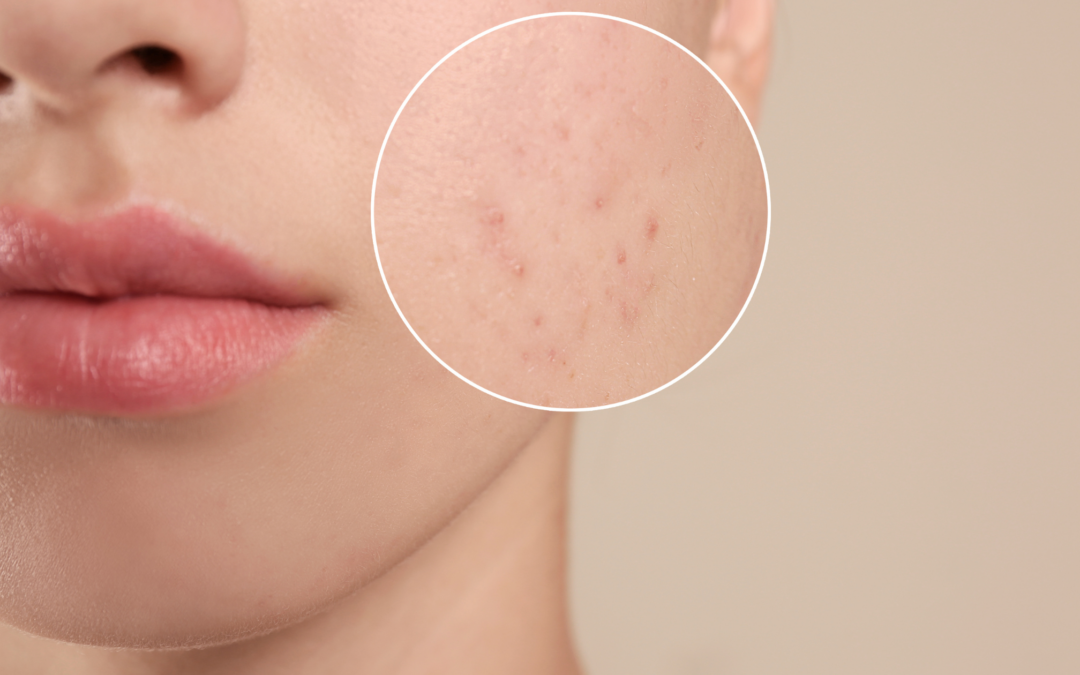
Studies have found that Taxifolin has a certain inhibitory effect on Propionibacterium acnes (P. acnes) and can effectively reduce the inflammatory response caused by sebum secretion. Taxifolin also exhibits an inhibitory effect on tyrosinase, thereby reducing pigmentation and helping to reduce post-acne scarring.
In addition, Taxifolin can enhance the skin's antioxidant enzyme levels, slow down skin aging and wrinkle formation, and has a positive protective effect on skin health.
5. Anti-tuberculosis activity
Tuberculosis is a serious infectious disease. Although anti-tuberculosis drugs are available, the problem of drug resistance is becoming increasingly serious. The anti-tuberculosis activity of Taxifolin provides a new direction for the development of new anti-tuberculosis drugs.
Through virtual screening in related experiments, the researchers found that Taxifolin had strong interactions with the active sites of M. tuberculosis branching gyrase and aminoacyl-tRNA synthetase. Further experiments showed that the IC50 value of Taxifolin in the anti-tuberculosis experiment was 12.5 μg/ml, which is comparable to the effects of existing anti-tuberculosis drugs (such as pyrazinamide and ciprofloxacin).

This study provides a theoretical basis for the potential of Larch Bark Extract Taxifolin as an anti-tuberculosis drug, and further clinical research may reveal its application value in anti-tuberculosis treatment.
As a natural flavonoid compound, Taxifolin Dihydroquercetin has shown wide application potential due to its powerful antioxidant, antibacterial, anti-inflammatory, anti-acne, anti-tuberculosis and other biological activities. With the in-depth study of its biological activity mechanism, Taxifolin is expected to play an important role in multiple fields, especially in the prevention and treatment of cardiovascular diseases, immune regulation, skin care and infectious diseases. Future research will further reveal more health benefits of Taxifolin and provide a more solid scientific basis for its clinical application.
As a major manufacturer of bulk dihydroquercetin, KINTAIBIO® can provide you with the most cost-effective Kintaibio® Dihydroquercetin Taxifolin Powder raw materials. If you need or want to know more information, please contact: sales@kintai-bio.com