

Rosemary extract has gained widespread popularity for its diverse applications in culinary, medicinal, and cosmetic realms. Derived from the fragrant rosemary plant (Rosmarinus officinalis), this versatile extract has been prized for its rich aroma, antioxidant properties, and potential health benefits. As the use of rosemary extract continues to grow, it is crucial to understand its composition, particularly regarding the potential presence of alcohol, which may be a concern for some consumers.
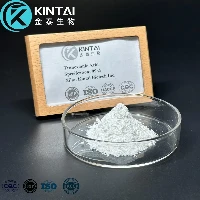
KINTAIBIO®'s rosemary extract contains Rosmarinic Acid Powder, as well as Carnosic Acid Powder and Ursolic Acid Powder. Multiple product specifications are available. If you are interested, please contact us at sales@kintaibio.com for the latest product information.
Understanding Rosemary Extract
Rosemary extract is a natural substance obtained from the leaves and stems of the rosemary plant. This evergreen shrub, native to the Mediterranean region, has been revered for centuries for its culinary and medicinal uses. The extraction process involves the separation of the plant's beneficial compounds, such as antioxidants, essential oils, and other bioactive components, from the plant material. This concentrated extract is then utilized in various products, ranging from food and beverages to personal care items and nutritional supplements.
Components Of Rosemary Extract
Rosemary extract is a complex mixture of various compounds, each contributing to its unique properties and potential benefits. One of the key components is rosmarinic acid, a potent antioxidant with anti-inflammatory properties. Additionally, rosemary extract contains a range of essential oils, including cineole, camphene, and alpha-pinene, which impart the characteristic aroma and flavor. Other bioactive compounds found in rosemary extract include flavonoids, phenolic acids, and terpenes, which have been studied for their potential health-promoting effects.
Certain forms of rosemary extract may contain traces of alcohol, which can be introduced during the extraction process or as a preservative. The presence and concentration of alcohol in rosemary extract can vary depending on the extraction method employed and the intended application of the final product.
Extraction Methods And Alcohol Content
Rosemary extract can be obtained through various extraction methods, each with its own advantages and potential for introducing alcohol into the final product. One common method is solvent extraction, where organic solvents, such as ethanol (alcohol) or hexane, are used to extract the desired compounds from the plant material. Although the majority of the solvent is typically removed during the purification process, trace amounts may remain in the final extract.
Another extraction method is steam distillation, which uses water vapor to extract the essential oils and other volatile compounds from the plant material. While this method generally does not involve the use of alcohol, it is possible that some manufacturers may add alcohol as a preservative or stabilizer to the final extract.
It is important to note that the presence of alcohol in rosemary extract is often minimal and may not necessarily be detrimental, depending on the intended use and individual preferences or sensitivities.
Utilization In Culinary And Cosmetic Products
Rosemary extract finds widespread application in various culinary and cosmetic products. In the food industry, it is commonly used as a natural preservative, flavor enhancer, and antioxidant in products such as marinades, dressings, and baked goods. Rosemary extract is also incorporated into dietary supplements and herbal remedies for its potential health benefits.
In the cosmetic industry, rosemary extract (Carnosic acid powder,Ursolic Acid powder,Rosmarinic Acid Powder) is a popular ingredient in personal care products, such as shampoos, conditioners, and skin care formulations, due to its antioxidant and antimicrobial properties. The presence of alcohol in rosemary extract-based cosmetic products can vary depending on the specific formulation and intended purpose.
Alcohol-Free Alternatives And Labeling
For consumers seeking alcohol-free options, many manufacturers offer alcohol-free versions of rosemary extract. These products are typically obtained through extraction methods that do not involve the use of alcohol, such as supercritical fluid extraction or cold-pressing techniques.
Proper labeling and transparency regarding the presence of alcohol in rosemary extract-based products are essential for consumer awareness and informed decision-making. Reputable manufacturers typically list the ingredients, including any potential alcohol content, on the product labels to ensure transparency and compliance with regulatory standards.
Potential Concerns And Considerations
While the presence of alcohol in rosemary extract is generally considered safe for most individuals, certain groups may have specific concerns or sensitivities. For example, individuals following strict religious or cultural dietary restrictions, those in recovery from alcohol addiction, or those with specific medical conditions may wish to avoid products containing alcohol, even in trace amounts.
It is important to note that regulatory bodies, such as the Food and Drug Administration (FDA) and the European Food Safety Authority (EFSA), have established guidelines and standards for the labeling and safety of food and cosmetic products containing alcohol. Manufacturers must adhere to these regulations to ensure consumer safety and transparency.
Consumer Awareness And Choices
As consumers become increasingly conscious of the ingredients in the products they use, it is crucial to understand the potential presence of alcohol in rosemary extract-based products. Informed decision-making empowers individuals to make choices aligned with their preferences, dietary restrictions, or lifestyle choices.
Consumers should carefully read product labels and ingredient lists to identify any potential sources of alcohol, including rosemary extract. Additionally, they can seek out alcohol-free alternatives or consult with manufacturers for more information about the specific extraction methods and alcohol content of their products.
does rosemary extract have alcohol?
Rosemary extract is a versatile and widely used natural ingredient with numerous culinary, medicinal, and cosmetic applications. While the presence of alcohol in certain forms of rosemary extract is possible, it is often minimal and may not be a concern for most consumers. However, it is essential to understand the potential implications of alcohol content, particularly for individuals with specific dietary restrictions, sensitivities, or preferences.
By being informed and proactive, consumers can make educated choices about the products they use, ensuring alignment with their personal values and needs. Manufacturers, on the other hand, play a crucial role in providing transparent labeling and information about the alcohol content in their rosemary extract-based products, enabling consumers to make informed decisions.
Our Rosemary Extract Ursolic Acid Powder has received unanimous praise from customers. If you would like to know more about Carnosic acid powder ,Rosmarinic Acid Powder and Ursolic Acid powder ,please feel free to contact Sales@Kintaibio.Com.
References:
1. Al-Sereiti, M. R., Abu-Amer, K. M., & Sen, P. (1999). Pharmacology of rosemary (Rosmarinus officinalis Linn.) and its therapeutic potentials. Indian journal of experimental biology, 37(2), 124-130.
2. Bozin, B., Mimica-Dukic, N., Simin, N., & Anackov, G. (2006). Characterization of the volatile composition of essential oils of some lamiaceae spices and the antimicrobial and antioxidant activities of the entire oils. Journal of Agricultural and Food Chemistry, 54(5), 1822-1828.
3. European Food Safety Authority (EFSA). (2008). Use of rosemary extracts as a food additive. EFSA Journal, 6(1), 721.
4. Fathi, H., & Ebrahimzadeh, M. A. (2018). Antioxidant and free radical scavenging activities of Rosmarinus officinalis L. and its biological source. Journal of Herbal Medicine, 12, 35-39.
5. Food and Drug Administration (FDA). (2021). Alcohol in Cosmetic Labeling.
6. Navarrete, A., Herrero, M., Martín, A., Arroyo, M., & Chacón, P. (2011). Chloroform and ethanol extracts of lippia graveolens stinkplant fresh and callus culture and rosemary as potential natural antioxidants. Grasas y Aceites, 62(3), 315-322.
7. Panchal, M., & Tawde, S. (2019). Rosemary extract: A natural antioxidant and its benefits. International Journal of Food Science and Nutrition, 4(4), 90-94.
8. Rašković, A., Milanović, I., Pavlović, N., Ćebović, T., Vukmirović, S., & Mikov, M. (2014). Antioxidant activity of rosemary (Rosmarinus officinalis L.) essential oil and its hepatoprotective potential. BMC Complementary and Alternative Medicine, 14(1), 1-9.
9. Vallverdú-Queralt, A., Regueiro, J., Martínez-Huélamo, M., Rinaldi Alvarenga, J. F., Leal, L. N., & Lamuela-Raventos, R. M. (2014). A comprehensive study on the phenolic profile of widely used culinary herbs and spices: Rosemary, thyme, oregano, cinnamon, cumin and bay. Food Chemistry, 154, 299-307.
10. Yashin, A., Yashin, Y., Xia, X., & Nemzer, B. (2017). Antioxidant activity of spice extracts and their impact on human low-density lipoproteins and liposome model systems. Antioxidants, 6(4), 70.