

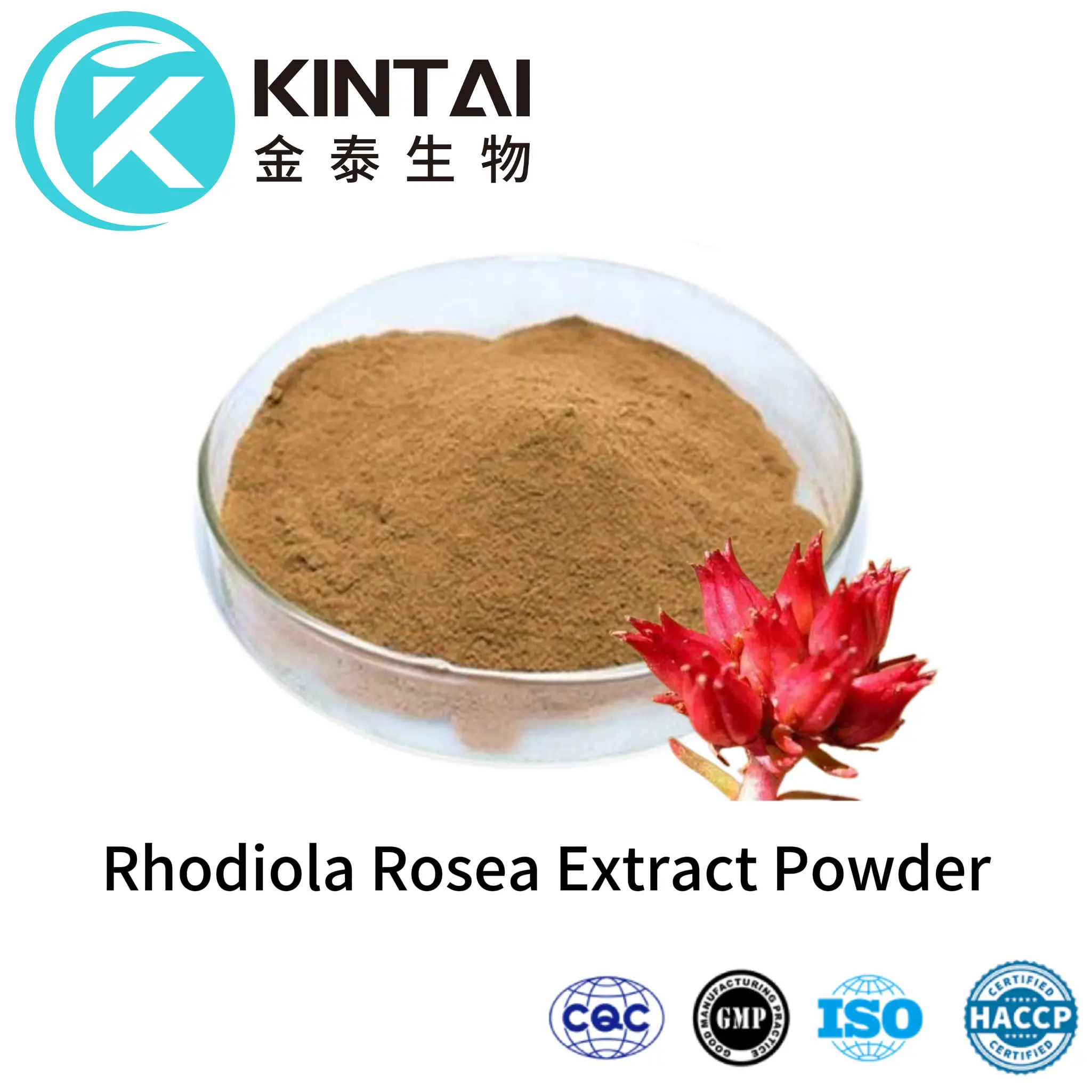
Xi'an Kintai Biotech Inc is one of the most experienced manufacturers and suppliers of rhodiola rosea extract powder in China. Please feel free to wholesale high quality rhodiola rosea extract powder for sale here from our factory. For price consultation, contact us.
Rhodiola Rosea Extract Powder
KINTAIBIO® relies on high-quality fresh raw materials and focuses on the production of premium Rhodiola Rosea Extract Powder, offering a variety of specifications to meet the diverse needs of different customers. We have established a full-process quality control system from raw material screening to finished product delivery, ensuring that each batch meets industry standards in terms of purity, solubility, and stability. If you are looking for a stable supply of reliable Rhodiola Rosea Extract Powder, please contact us at pharm@kintaibio.com.
| KINTAIBIO Flow Chart Of Rhodiola Rosea Extract Powder | |||
| Product Name | Source | Specifications | Test Method |
| Rhodiola Rosea Extract Powder | Dried root and rhizome of Rhodiola rosea | 10:1 |
TLC |
| 20:1 | |||
| Salidroside 3% | HPLC/UV | ||
| Salidroside 5% | |||
| Salidroside 98% | |||
| Total Rosavins ≥3% + Salidroside ≥1% | HPLC | ||
Contact Us Now To Get Samples!
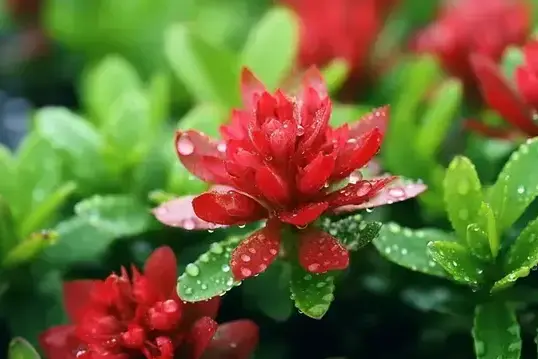
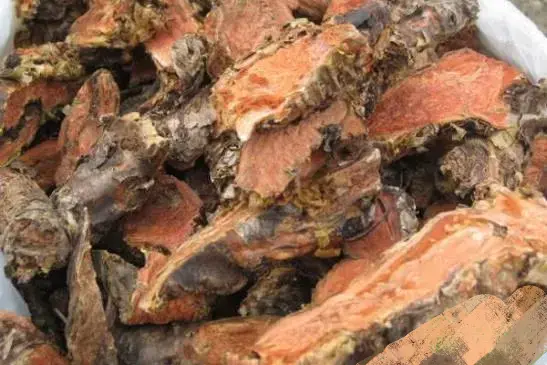
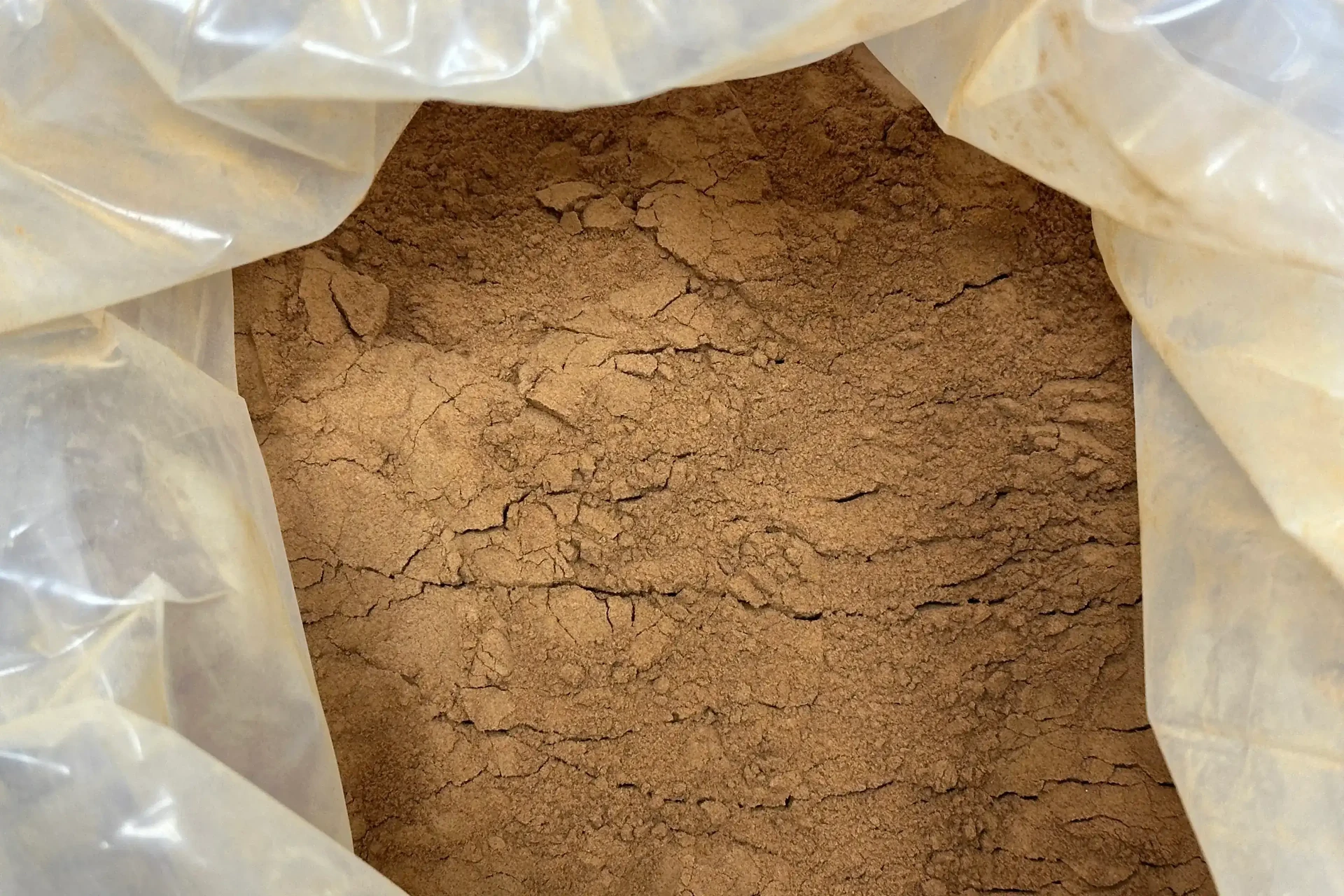
Rhodiola Rosea Extract Powder is made from the dried root and rhizome of Rhodiola rosea, a herbaceous plant of the Crassulaceae family, through modern extraction processes. It appears as a brown powder. Rhodiola is a polar plant, mainly growing in cold regions of the Northern Hemisphere, including Siberia, Northern Europe, North America, and high-altitude tundra areas in Northeast, Northwest, and Southwest China at elevations of 1,500–5,000 meters. Its growing environment features long-term hypoxia, low temperatures, dryness, intense ultraviolet radiation, and extreme diurnal temperature differences. These special survival conditions give Rhodiola strong vitality and unique secondary metabolites.
The core value of Rhodiola Rosea Extract lies in its phenylpropanoid and phenylethanoid active ingredients. Modern phytochemical research has isolated more than 40 compounds from Rhodiola, among which the most bioactive marker compounds are salidroside and rosavins.
Salidroside belongs to the phenylethanoid glycosides and is the most commonly used quality evaluation indicator in Rhodiola Rosea Extract. Studies have shown that salidroside possesses physiological activities such as antioxidant, alleviating physical fatigue, and protecting liver function. Rosavins belong to phenylpropanoid glycosides and are unique active ingredients of Rhodiola rosea, with very low or non-existent content in other Rhodiola species. In recent years, in-depth research has revealed that the pharmacological activity of rosavins is far stronger than that of salidroside and tyrosol, possessing multiple physiological effects such as nootropic, immune-enhancing, and anti-ultraviolet radiation. Because of the uniqueness and high activity of rosavins, Rhodiola rosea extract standardized to rosavins is gaining increasingly widespread application in the international health product market.
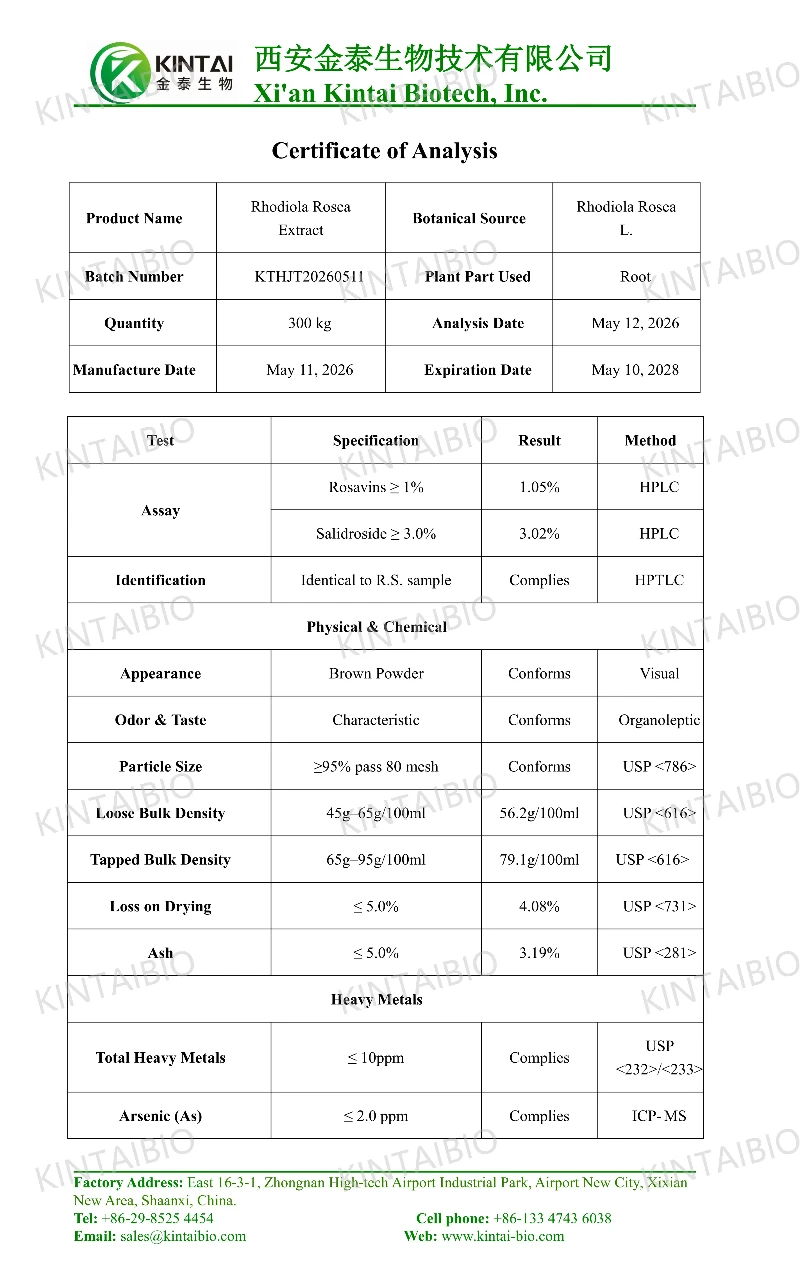
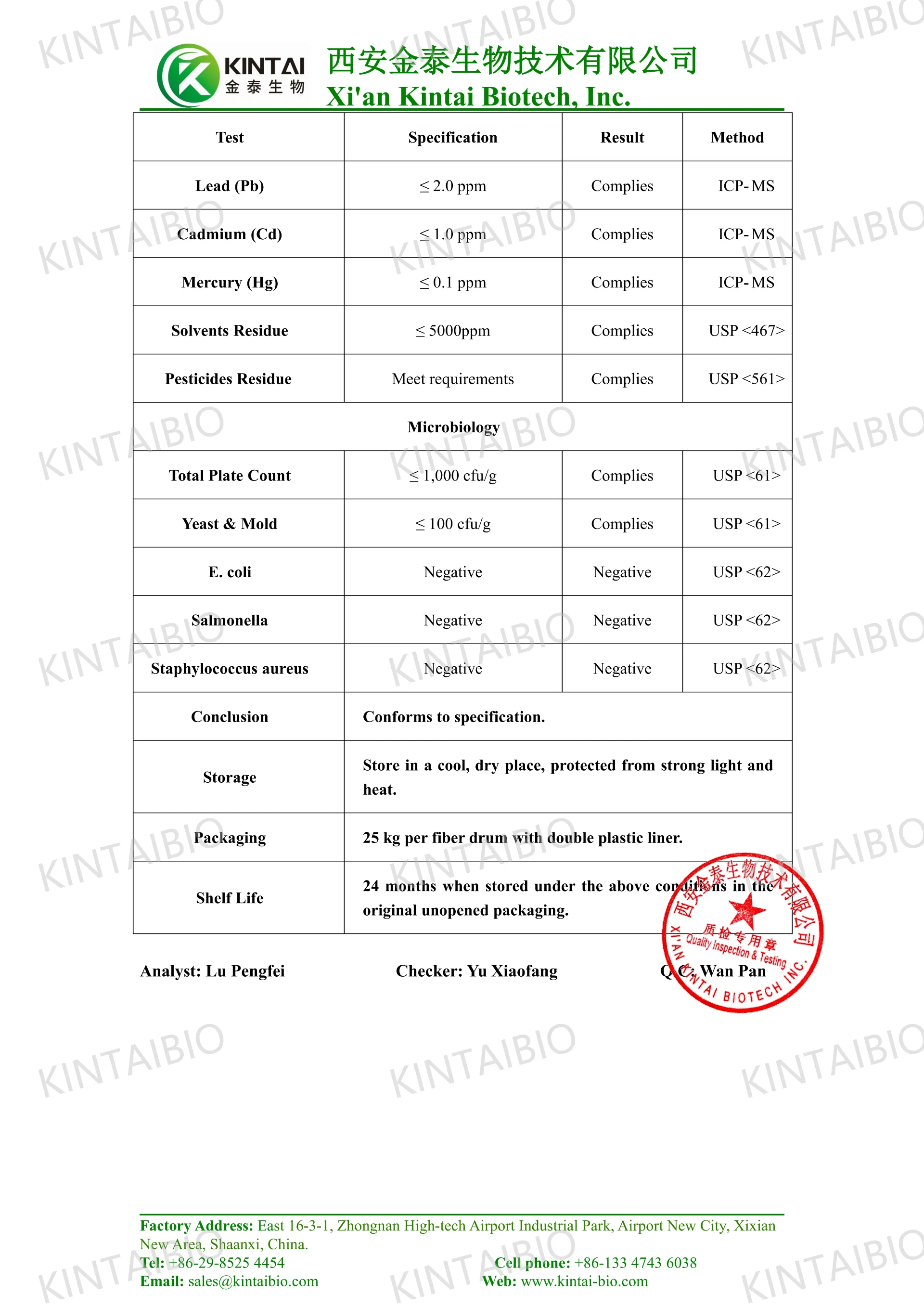
cOA of Rhodiola Rosea Extract Powder
Extraction of Rhodiola Rosea Extract Powder

Rhodiola rosea benefits
Enhancing Exercise Performance and Alleviating Fatigue
Exercise performance and anti-fatigue are the most intensively studied areas of Rhodiola research. A double-blind randomized controlled trial showed that after subjects took Rhodiola SHR-5 extract for 20 consecutive days, physical performance, mental fatigue, and neuromotor tests all showed significant improvements (p < 0.01). This trial adopted a randomized, double-blind, placebo-controlled design, with systematic evaluation through physical performance tests, mental fatigue scales, and neuromotor function tests. The results indicated that Rhodiola has a clear short-term effect in alleviating fatigue and maintaining physical performance.
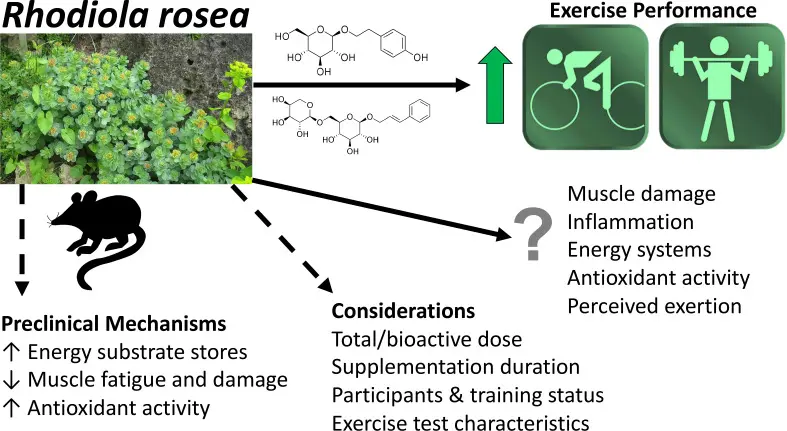
Another systematic review combined 13 randomized controlled trials with a total of 263 subjects, concluding that acute Rhodiola supplementation has a positive effect on endurance performance and perceived exertion, while chronic supplementation is beneficial for anaerobic exercise performance. This systematic review covered data on different dosages, intervention durations, and exercise types, while also noting that the long-term improvement effect of Rhodiola on endurance exercise performance was not significant, suggesting that its benefits vary depending on exercise type and supplementation duration.
Mood Regulation and Stress Management
The application of Rhodiola in the field of emotional health has received continuous attention, and its mechanism of action may be related to monoamine oxidase (MAO) inhibition.
A study specifically examined the inhibitory effects of Rhodiola root extract on monoamine oxidase A and B. The results showed that methanol and water extracts at a concentration of 100 μg/ml achieved inhibition rates of 92.5% and 84.3% on MAO-A, and 81.8% and 88.9% on MAO-B, respectively. Among the isolated compounds, rosiridin exhibited over 80% inhibition of MAO-B at a concentration of 10⁻⁵ M. MAO is a key enzyme in mood regulation, and MAO inhibitors are an important class of clinical antidepressant drugs. This study provides a molecular-level explanation for the traditional antidepressant use of Rhodiola. This indicates that Rhodiola has application potential in the field of mood regulation, but it does not replace standard medical treatment.
Antioxidant and Cytoprotective Effects
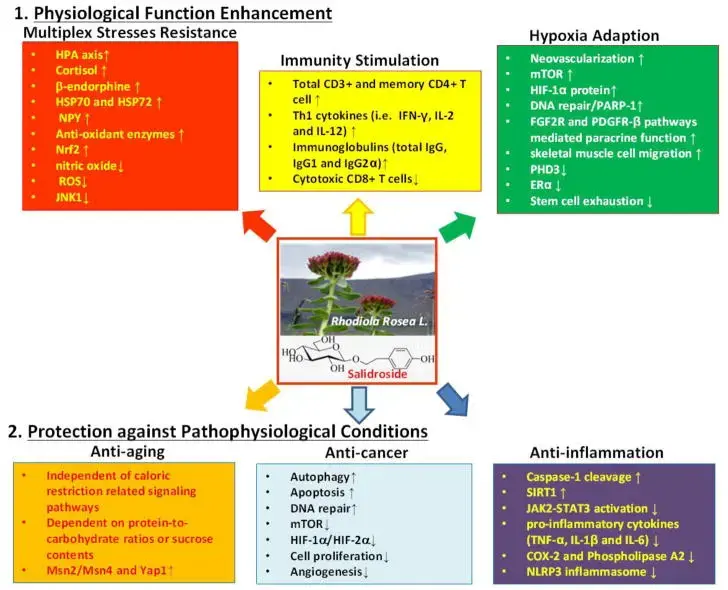
A study pointed out that Rhodiola extract and its main active ingredient salidroside possess multiple biological activities such as "antioxidant, anti-fatigue, and anti-inflammatory" effects. The phenolic compounds in Rhodiola are the material basis of its pharmacological activity, including salidroside, tyrosol, and phenylpropanoid glycosides unique to Rhodiola rosea. The study performed phytochemical characterization of a commercial extract standardized to 5% rosavins and 1.8% salidroside, identified 18 secondary metabolites, and confirmed its anti-inflammatory activity. At the cytoprotective level, a study summarized research progress on Rhodiola extract in DNA repair and anti-cancer, noting that salidroside has good water solubility and high oral bioavailability, and is worthy of further research for its application in cancer chemoprevention.
https://pubmed.ncbi.nlm.nih.gov/10839209/
https://pubmed.ncbi.nlm.nih.gov/30393593/
https://pubmed.ncbi.nlm.nih.gov/19168123/
https://pubmed.ncbi.nlm.nih.gov/?term=Rhodiola+systematic+review
https://www.sciencedirect.com/science/article/pii/S0367326X2300014X
https://www.sciencedirect.com/science/article/abs/pii/S0944711300800781?via%3Dihub
what is rhodiola rosea used for?
Dietary Supplements
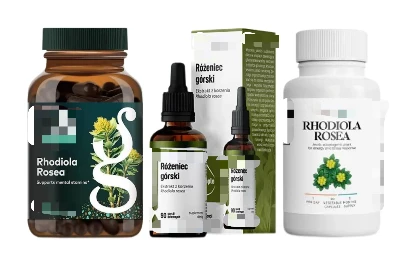
Dietary supplements are the most core and mature application area of Rhodiola Rosea Extract. Rhodiola Rosea Extract Powder is widely made into capsules, tablets, powders, and other dosage forms, positioned for 'adaptogen' 'anti-fatigue' and 'mood support' use. Typical application directions of Rhodiola in dietary supplements include: sports nutrition supplements: utilizing its properties of enhancing endurance performance and reducing perceived exertion, targeting fitness enthusiasts and athletes; cognitive support supplements: utilizing its neuroprotective potential, compounded with other nootropic ingredients; high-altitude travel supplements: addressing the hypoxia protection needs of mountaineers and high-altitude travelers.
Sports Nutrition and Physical Performance Products
Sports nutrition is one of the fastest-growing application areas of Rhodiola Rosea Extract. Based on evidence of endurance enhancement and fatigue alleviation supported by multiple human studies, Rhodiola has been incorporated into product formulations by an increasing number of sports nutrition brands. Typical product forms include: pre-workout supplements: compounded with ingredients such as beta-alanine and caffeine to enhance training performance; post-workout recovery products: utilizing its antioxidant and anti-fatigue properties to help with post-exercise recovery; endurance-type sports supplements: targeting enthusiasts of endurance events such as marathons and cycling.
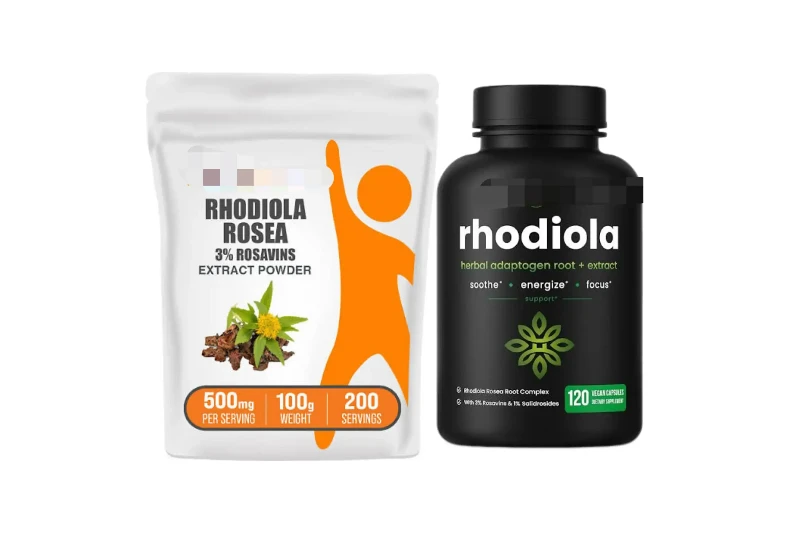
The advantage of Rhodiola in this field lies in its non-stimulant properties: compared with traditional sports enhancers such as caffeine, Rhodiola works through adaptogenic mechanisms without causing a sudden rise in heart rate or anxiety, making it suitable for sports populations sensitive to stimulants.
Cosmetics and Personal Care Products
The antioxidant and anti-inflammatory properties of Rhodiola Rosea Extract Powder give it application value in functional skincare products. The phenolic compounds in Rhodiola can scavenge free radicals and protect skin cells from oxidative damage. In the cosmetics field, Rhodiola Rosea Extract is often used in anti-aging creams, serums, and sunscreen products, with claimed directions including antioxidant protection, soothing the skin, and delaying photoaging.
Safety, Dosage, and Side Effects of Rhodiola Rosea Extract
Safety: Rhodiola Rosea Extract is generally well tolerated at certain dosages. Rhodiola has a relatively high safety profile in short-term use.
Dosage: Dosage regimens adopted in different studies vary considerably. Therefore, whether for personal use or research and development, it is necessary to follow relevant compliant dosage requirements under the guidance of professionals.
Side Effects: It should be noted that Rhodiola may interact with antidepressants, anticoagulants, and other drugs. It is not recommended to use it simultaneously with MAO inhibitors. Pregnant women, breastfeeding women, and patients with autoimmune diseases should avoid use. High doses may cause excessive excitement or insomnia, and it is recommended to avoid taking it in the evening. Overall, Rhodiola Rosea Extract has a good safety profile at short-term, recommended dosages, but safety data for long-term high-dose use remain limited, and use under the guidance of professionals is recommended.
where to buy rhodiola extract?
If you need to purchase a stable and reliable supply of Rhodiola Rosea Extract Powder, KINTAIBIO® can provide globally verified, high-quality raw materials for customers worldwide. Whether you need small quantities of Rhodiola Rosea Extract Powder, long-term wholesale orders of Rhodiola Rosea Extract Powder, or different specifications, we can provide tailor-made supply solutions to flexibly meet the needs of every stage from sample testing to large-scale production.
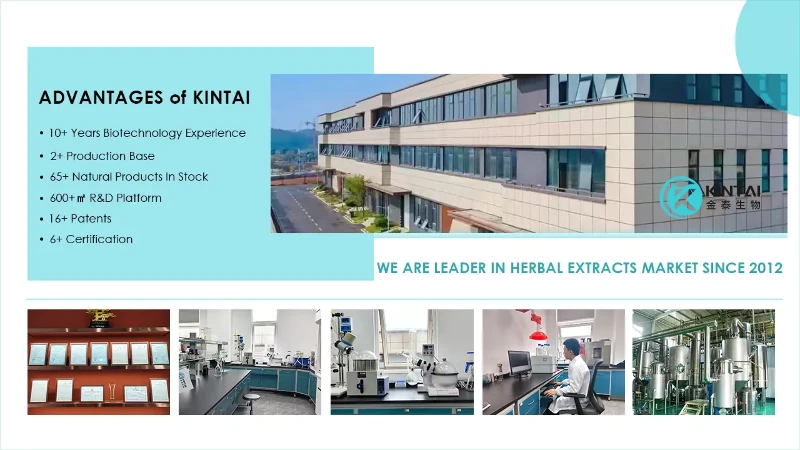
We can provide a full set of documents: COA, MSDS, test reports, and batch quality data. Purchasers looking for a stable supply channel can purchase directly from us. We will provide competitive Rhodiola Rosea Extract Powder quotations based on different product specifications, order quantities, and delivery requirements. Welcome to contact us at pharm@kintaibio.com.
FAQ
Q: What is Rhodiola Rosea Extract good for?
A: Rhodiola Rosea Extract has received continuous attention in the field of emotional health and is often used to support emotional balance and relieve stress. It is also widely used in the field of sports nutrition to enhance endurance performance and reduce perceived exertion. In terms of cognitive support, Rhodiola Rosea Extract is used in combination with other nootropic ingredients due to its neuroprotective potential. In addition, it is also used in high-altitude travel supplements, addressing the hypoxia protection needs of mountaineers and high-altitude travelers. In functional skincare products, Rhodiola Rosea Extract is also used in anti-aging and skin-soothing products due to its antioxidant properties.
Q: Who should avoid Rhodiola?
A: People taking antidepressants or anticoagulants should avoid using Rhodiola, as it may interact with these medications. It is not recommended to use Rhodiola simultaneously with MAO inhibitors to avoid adverse reactions. Pregnant and breastfeeding women should avoid using Rhodiola because of insufficient safety data. Patients with autoimmune diseases should also avoid use to prevent stimulation of the immune system. In addition, high doses of Rhodiola may cause excessive excitement or insomnia, and it is recommended to avoid taking it in the evening.
Q: What are the active ingredients in Rhodiola rosea extract?
A: The phenolic compounds in Rhodiola are the material basis of its pharmacological activity, including salidroside, tyrosol, and phenylpropanoid glycosides unique to Rhodiola rosea. Salidroside is one of the main active ingredients in Rhodiola Rosea Extract, characterized by good water solubility and high oral bioavailability. Tyrosol is another important phenolic compound that works together with salidroside to exert antioxidant and anti-inflammatory effects. Phenylpropanoid glycosides include rosavins, which are active ingredients unique to Rhodiola rosea.
Hot Tags: rhodiola rosea extract powder, China rhodiola rosea extract powder manufacturers, suppliers, factory, Boneset Extract, Cacao Extract Powder, clove extract powder, Engelhardia Roxburghiana Leaf Extract, hydroxycitric acid powder, Ruscus Aculeatus Extract