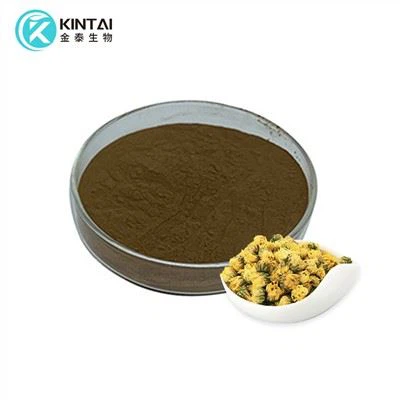


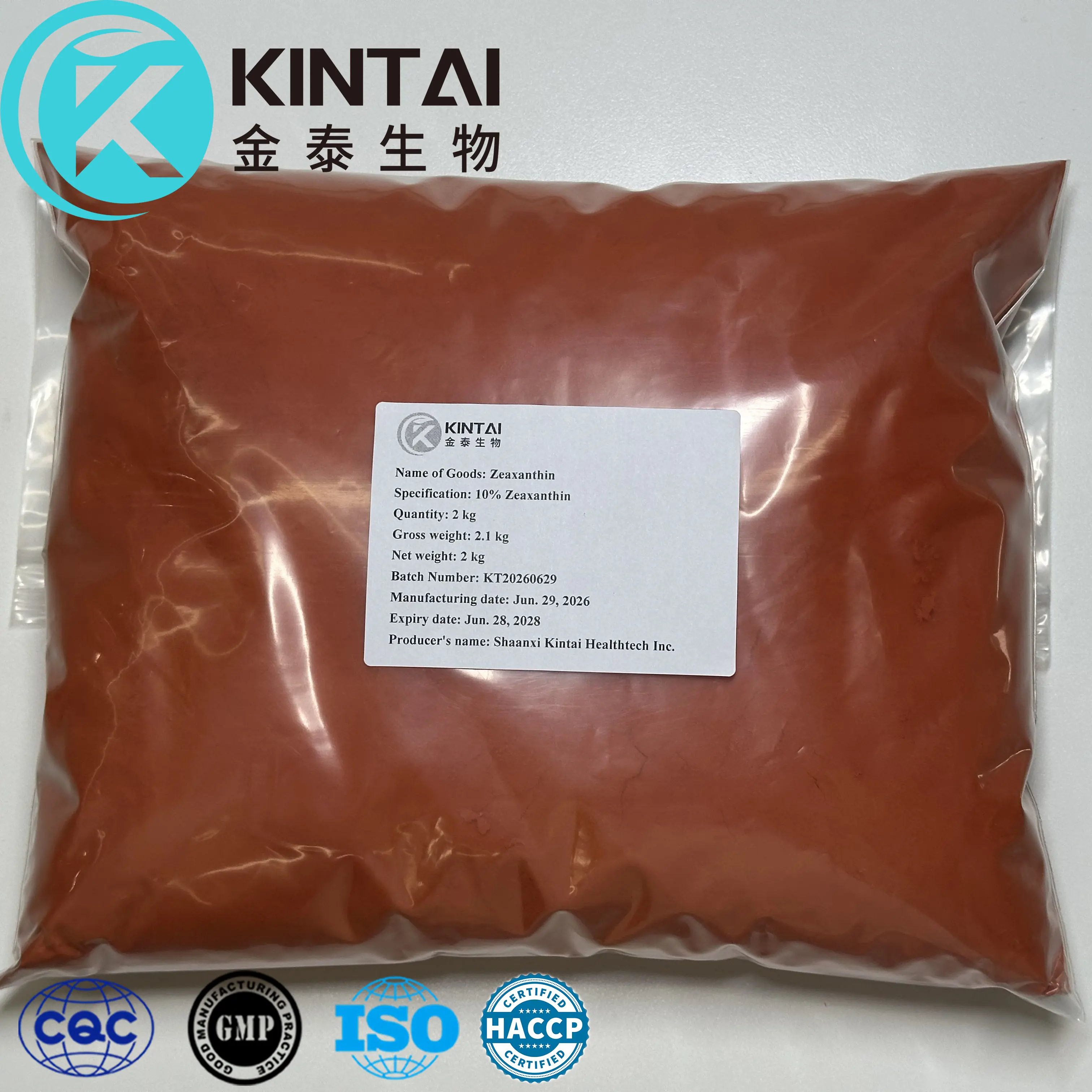
Xi'an Kintai Biotech Inc is one of the most experienced manufacturers and suppliers of zeaxanthin powder in China. Please feel free to wholesale high quality zeaxanthin powder for sale here from our factory. For price consultation, contact us.
Zeaxanthin Powder supplier / manufacturer
KINTAIBIO® produces zeaxanthin extract powder derived from marigold flowers, offering various specifications suitable for dietary supplements, functional foods, food coloring, and related formulation development. We provide Zeaxanthin Powder products in multiple forms-including powder, microencapsulated powder, microcapsules, and oil suspensions-with concentrations ranging from 5% to 60%; microencapsulated powders, microcapsules, and oil suspensions are available in 5%, 10%, and 20% specifications. Customers can select the appropriate product form based on target active content, dosage form, processing requirements, and application needs.
| KINTAIBIO Flow Chart Of Zeaxanthin Powder | ||||
| Product Name | Source | Active ingredient | Form | Specifications |
| Zeaxanthin Powder | Marigold | Zeaxanthin | Powder | 5%–60% |
| Microencapsulated powder | 5%, 10%, 20% | |||
| Microcapsule | 5%, 10%, 20% | |||
| Oil suspension | 5%, 10%, 20% | |||
Contact Us Now To Get Samples!
Zeaxanthin features a long conjugated double-bond structure that enables antioxidant activity; however, its stability is susceptible to factors such as light, temperature, oxygen, and the formulation environment. Microencapsulation technology utilizes carrier materials to shield the active ingredient from the external environment, thereby enhancing stability during processing and storage and improving dispersibility in specific food or nutritional formulations. Actual protective efficacy depends on the encapsulating material, processing parameters, product matrix, and storage conditions; specific performance characteristics should be verified against the technical data and stability test results for the respective specifications.
Zeaxanthin is a fat-soluble antioxidant and a key component of retinal macular pigment; it is frequently used in the formulation of eye health supplements.In addition, we produce other active ingredients derived from Marigold Flower Extract (such as lutein powder) that can be formulated in combination with zeaxanthin powder; please feel free to contact sales@kintaibio.com for product information. Please feel free to contact sales@kintaibio.com for more information about the product.
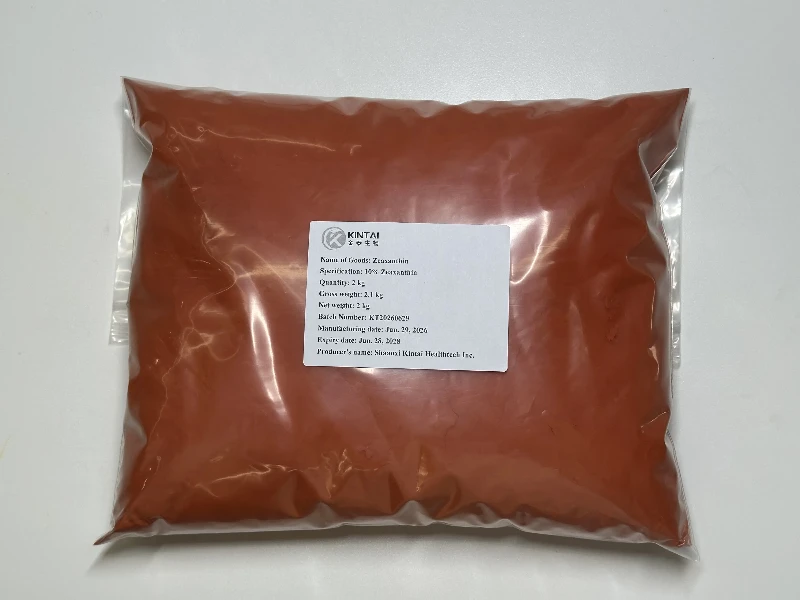
- Zeaxanthin Solubility: Zeaxanthin is a fat-soluble carotenoid; it is essentially insoluble in water but soluble in certain organic solvents and is highly suitable for oil-based formulations. For products requiring the incorporation of zeaxanthin into water-based beverages, powdered drink mixes, or other water-dispersible systems, the direct use of conventional zeaxanthin powder may present challenges regarding wettability, dispersion uniformity, and processing compatibility.
While microencapsulated powders can utilize suitable carrier systems to improve dispersion performance in specific water-based formulations, such improvements in dispersibility should not be equated to an increase in the intrinsic water solubility of zeaxanthin itself.
Oil suspensions, conversely, are better suited for applications requiring addition in an oil phase or the development of oil-based formulations. When making a selection, it is recommended to conduct testing that accounts for factors such as formulation pH, temperature, shear conditions, emulsification systems, and the target product format.
zeaxanthin sources

Zeaxanthin is a naturally occurring oxygenated carotenoid belonging to the xanthophyll class of pigments; it is an isomer of lutein. While it is widely found in natural sources such as corn, green vegetables, goji berries, and certain flowers, marigold flowers are typically used as the raw material for modern extraction-which is also the botanical source of our zeaxanthin powder.
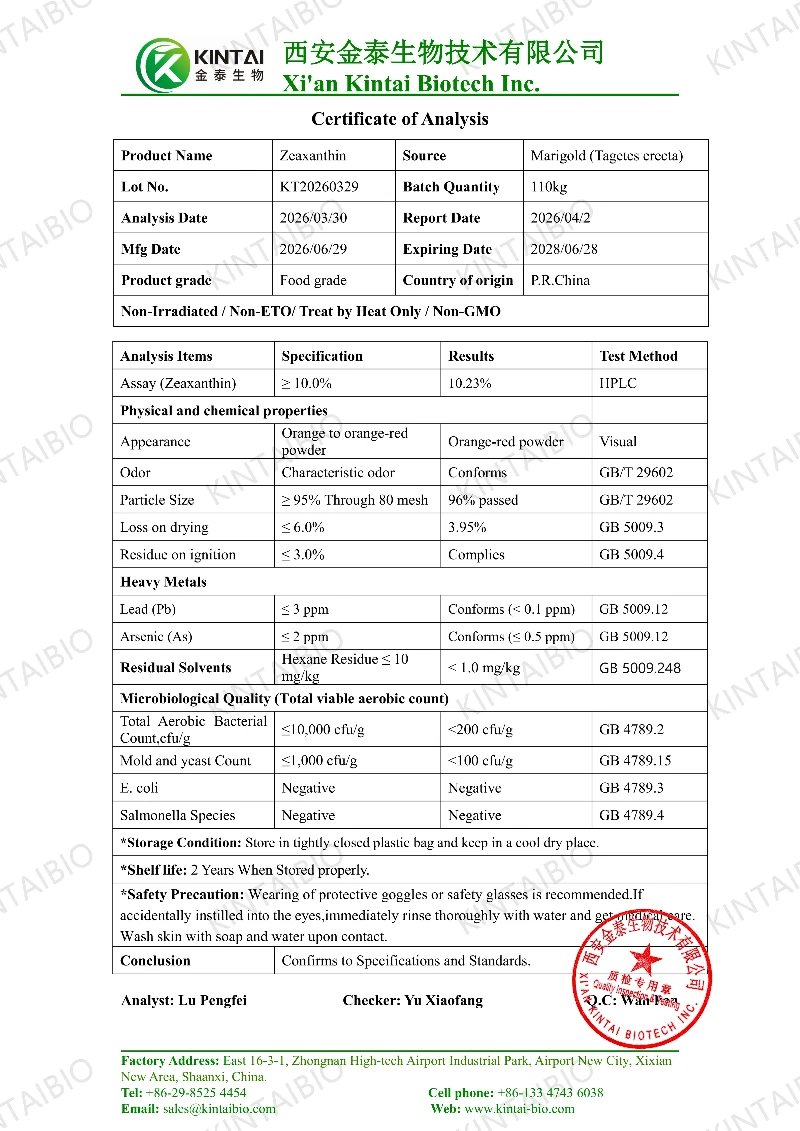
COA Of Zeaxanthin Powder
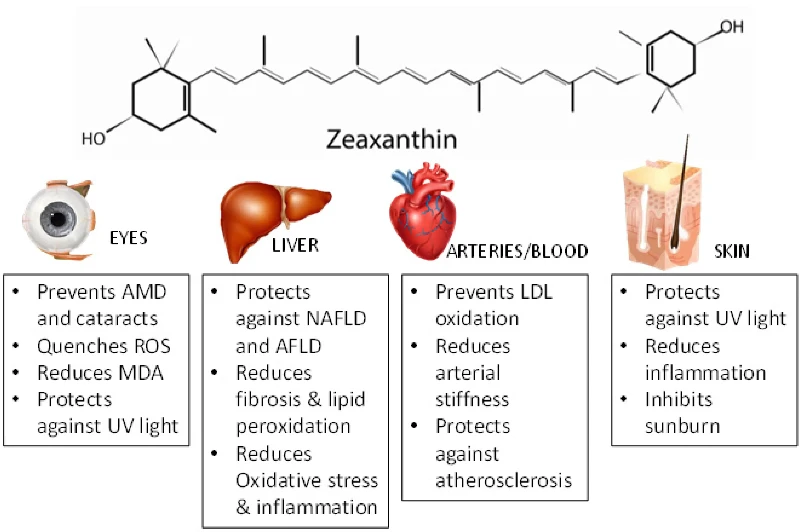
benefits of Zeaxanthin Powder
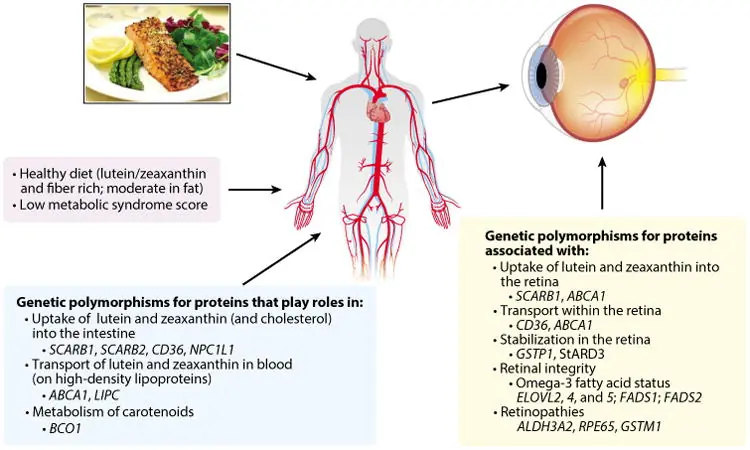
zeaxanthin for eyes
Zeaxanthin is a key component of macular pigment in the human body; it accumulates alongside lutein in the retinal macula and plays a vital role in maintaining normal visual function and eye health. Since the human body cannot synthesize zeaxanthin endogenously, it must be obtained primarily through diet or dietary supplements. Research indicates that zeaxanthin and lutein help mitigate potential photo-oxidative stress damage to retinal cells-and support normal macular pigment function-by absorbing high-energy visible light (particularly blue light) and exerting antioxidant effects.
Studies also suggest that supplementation with lutein and zeaxanthin may help slow disease progression in certain patients with age-related macular degeneration (AMD). However, the efficacy of such supplementation is influenced by factors including individual nutritional status, genetics, and metabolic differences; thus, it should not be viewed as a substitute for the prevention or treatment of eye diseases. As a carotenoid ingredient, Zeaxanthin Powder is suitable for use in eye-health dietary supplements and complex nutritional formulations, offering nutritional options for consumers concerned about visual health and age-related ocular changes.
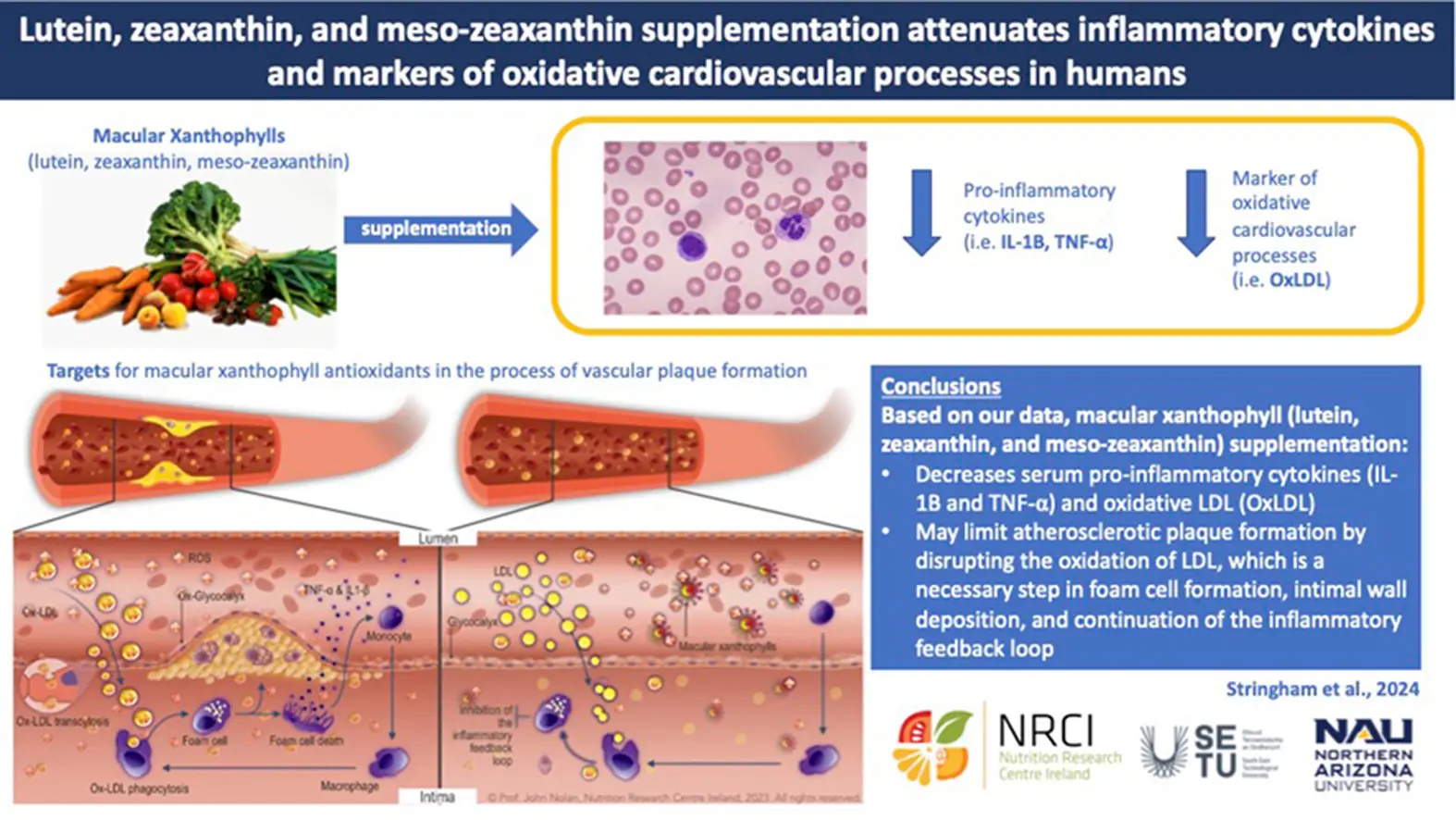
zeaxanthin blood pressure
In recent years, the potential role of zeaxanthin in cardiovascular health has attracted research interest. Oxidative stress and chronic inflammation are factors associated with the development and progression of atherosclerosis. A randomized, double-blind, placebo-controlled human study found that these carotenoids may help regulate inflammatory responses and processes related to lipid oxidation.
However, the specific effects of zeaxanthin on blood pressure regulation and long-term cardiovascular health require further clinical validation. Therefore, marigold-derived Zeaxanthin Powder can serve as an antioxidant nutritional ingredient for the development of dietary supplements and nutritional formulations aimed at supporting cardiovascular health.
zeaxanthin benefits for skin
Zeaxanthin Powder possesses potential properties such as free-radical scavenging, antioxidant activity, and the modulation of inflammatory responses; its impact on skin health has also been the subject of research. Prolonged exposure of the skin to ultraviolet (UV) radiation and other environmental stressors can lead to the excessive production of reactive oxygen species (ROS), triggering oxidative stress, lipid peroxidation, and inflammation-processes associated with alterations in skin barrier function, reduced elasticity, and photoaging.
Animal studies have shown that combined supplementation with lutein and zeaxanthin may alleviate UV-induced skin inflammation and certain forms of tissue damage. Furthermore, research indicates that such combined supplementation leads to positive changes in skin hydration, elasticity, markers of lipid peroxidation, and photoprotective capacity. These findings suggest that zeaxanthin-a carotenoid with antioxidant activity-can serve as a scientific basis for developing nutritional formulations aimed at supporting skin health.
zeaxanthin weight loss
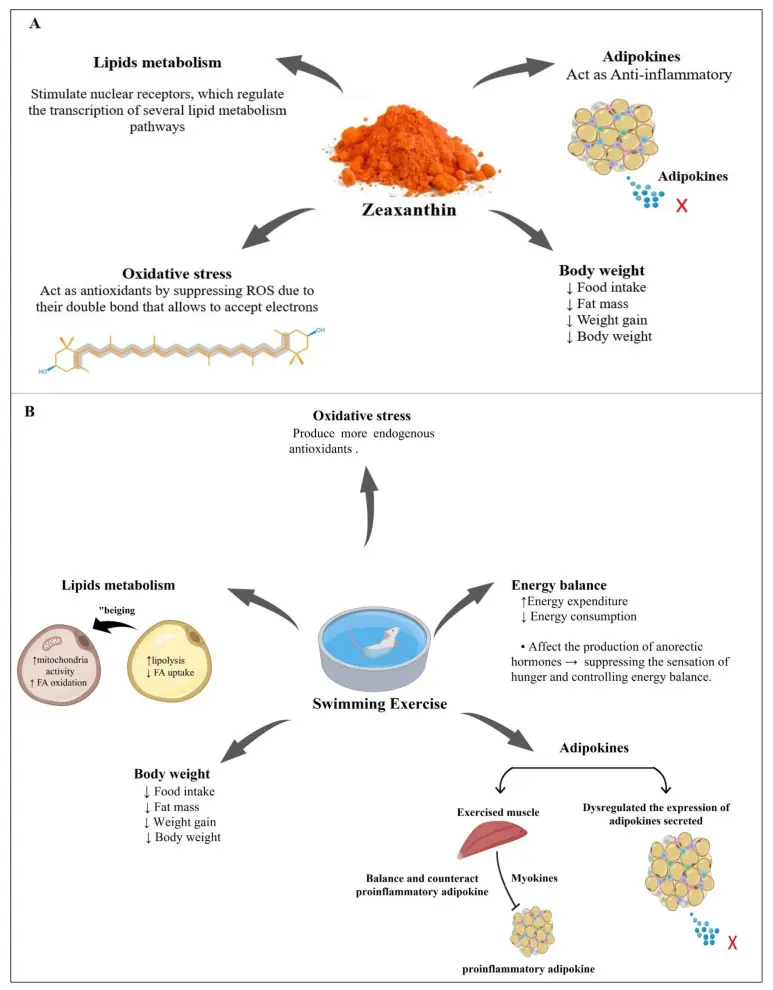
In recent years, the antioxidant properties of zeaxanthin and its potential impact on markers related to lipid metabolism, inflammatory responses, and energy metabolism have attracted research interest. An animal study evaluated the effects of zeaxanthin supplementation and exercise on rats with high-fat diet-induced obesity. The results demonstrated that zeaxanthin supplementation alone, exercise alone, and the combined intervention all improved-to varying degrees-parameters such as body weight gain, triglyceride levels, blood glucose, and specific lipid metabolism markers, while also enhancing the activity of certain antioxidant enzymes; the combined intervention showed a trend toward superior improvement across multiple indicators.
The study also suggests that zeaxanthin may influence obesity-related metabolic abnormalities by modulating oxidative stress and metabolic processes. It should be noted, however, that this study utilized male rats with high-fat diet-induced obesity, and the findings cannot be directly extrapolated to weight loss outcomes in humans. Nevertheless, Zeaxanthin Powder-a carotenoid with established antioxidant properties-serves as a promising ingredient for the research and development of weight management nutritional products and complex formulations.
Reference:https://pmc.ncbi.nlm.nih.gov/articles/PMC8874683/
https://www.sciencedirect.com/science/article/abs/pii/S104366181931045X
https://pmc.ncbi.nlm.nih.gov/articles/PMC5063591/
https://pmc.ncbi.nlm.nih.gov/articles/PMC9737220/
what is Zeaxanthin Powder used for?
Zeaxanthin Powder features a yellow to orange-yellow hue and antioxidant properties, making it suitable for applications in dietary supplements, functional foods, food coloring, and animal nutrition.
Zeaxanthin Supplements
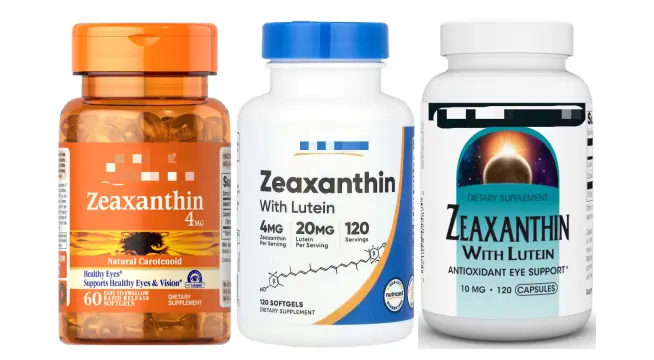
Zeaxanthin Powder is frequently paired with lutein in eye-health formulations. Various dosage forms-such as Zeaxanthin pills, tablets, capsules, and lutein zeaxanthin gummies-can be developed based on target markets, product positioning, and specific formulation requirements.
Zeaxanthin as a Colorant
Zeaxanthin's natural color provides pigmentation for specific food formulations, and its antioxidant properties make it a subject of interest regarding the oxidative stability of foods. However, its actual preservative efficacy depends on factors such as dosage, the food matrix, processing conditions, and storage environments; thus, its antioxidant activity alone does not guarantee an extended shelf life for all food products.
Zeaxanthin as a Feed Additive
Zeaxanthin Powder serves as a source of carotenoids in feed formulations that comply with relevant regulations, helping to enhance the color of egg yolks and certain poultry tissues.
Lutein and Zeaxanthin for Dogs
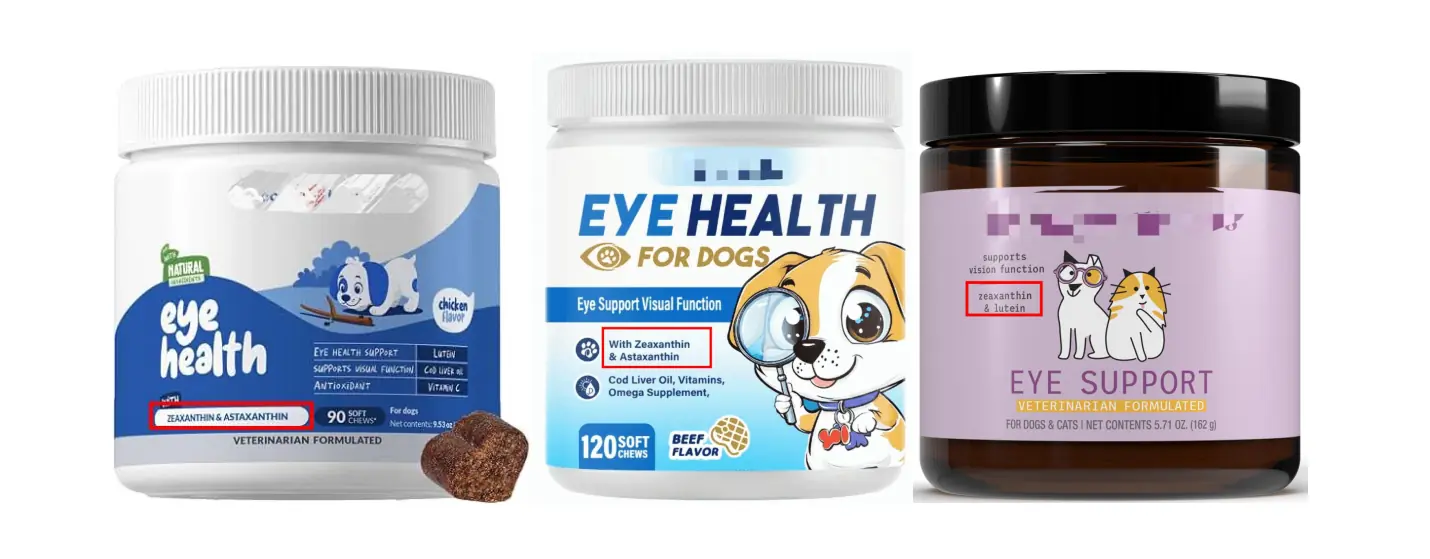
Pet nutrition products represent another area of focus for formulation development and ingredient evaluation; specific applications should be assessed based on canine nutritional needs, appropriate dosages, safety profiles, and regulations in target markets.
where to buy zeaxanthin powder?
If you are seeking a reliable Zeaxanthin Powder supplier, KINTAIBIO® offers marigold-derived zeaxanthin ingredients to overseas manufacturers of dietary supplements and functional foods, as well as to brands and raw material distributors. Our product range includes zeaxanthin powders with active content levels from 5% to 60%, alongside various processed forms such as microencapsulated powders, microcapsules, and oil suspensions. These options allow for selection based on specific formulation requirements, production processes, and target applications, effectively meeting the raw material procurement and product development needs of diverse projects.

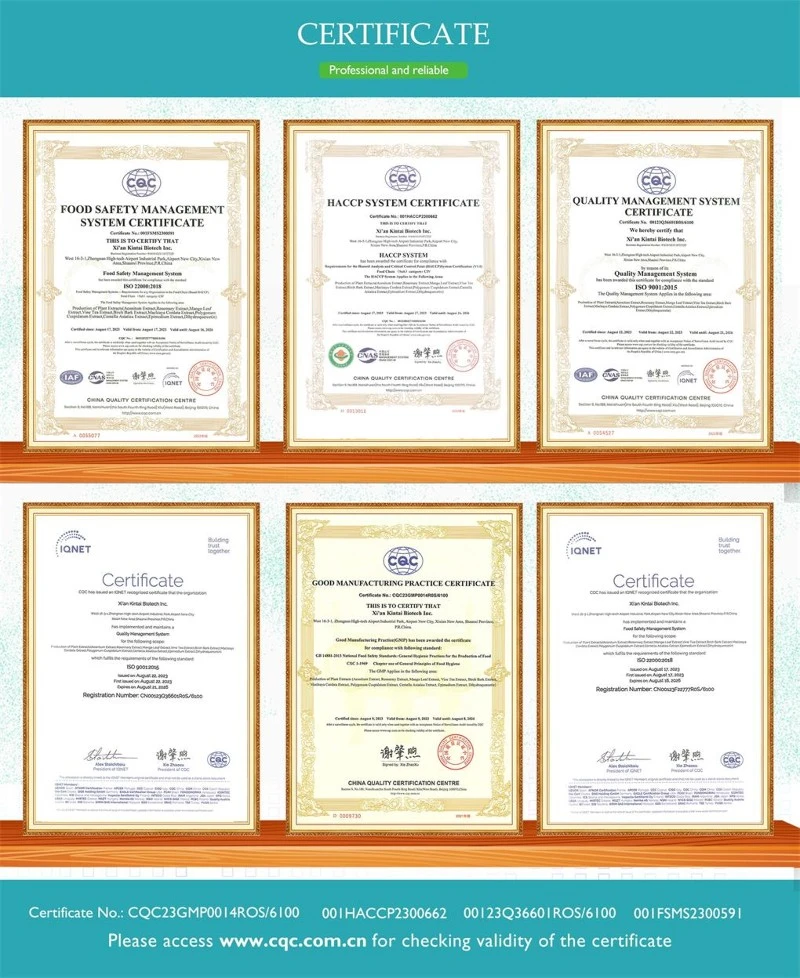
For businesses planning to purchase zeaxanthin or source zeaxanthin powder for sale, we provide support regarding sample evaluation, product specification confirmation, and bulk purchasing arrangements. Prior to purchase, clients can verify key details such as zeaxanthin content, testing methods, carrier or excipient composition, batch quality metrics, and packaging/storage conditions. Zeaxanthin pricing is influenced by factors including active content, product form, purchase volume, packaging method, and custom specifications. Relevant documentation-such as the Certificate of Analysis (COA), product specifications, and Technical Data Sheets (TDS)-can be provided based on specific product and order requirements to assist with raw material evaluation and supplier audits.
To obtain specific price quotes, request samples, or discuss bulk purchasing plans, please email sales@kintaibio.com for product information and supply support.
FAQ
Q: Is zeaxanthin safe?
A: Existing toxicological studies-including research on repeated intake in animals and genotoxicity-provide a basis for assessing the safety of zeaxanthin. However, the safety of a raw material cannot be determined solely by the name of the ingredient; factors such as its source, purity, impurity control, actual intake levels, product dosage form, and target population must also be considered. Manufacturers of dietary supplements should verify the identity, content, testing methods, batch quality specifications, and relevant quality documentation of zeaxanthin raw materials, while also evaluating them against the recommended intake for the final product and regulations in the target market. Pregnant or breastfeeding women, individuals taking medication, and those with specific health conditions should consult a healthcare professional before using such supplements.
Q: Is zeaxanthin good for you?
A: Zeaxanthin is a carotenoid with antioxidant properties that can be obtained through diet or consumed as an ingredient in nutritional supplements. Research focuses on its antioxidant mechanisms, its distribution within eye tissues, and its potential synergistic effects when consumed alongside other nutrients like lutein. Consequently, zeaxanthin has attracted significant interest in the fields of ocular nutrition and functional food development.
Q: Is lutein and zeaxanthin good for eyes?
A: Lutein and zeaxanthin are frequently combined in ocular nutrition formulas because both are found in the macular region of the eye and have been included in numerous studies on eye health. For individuals with intermediate age-related macular degeneration (AMD) or advanced disease in one eye, clinically studied formulas (such as those based on the AREDS2 study) may be appropriate for managing the risk of disease progression; however, the necessity of supplementation should be determined by an eye care professional. Research has not proven that lutein and zeaxanthin supplementation prevents macular degeneration, cataracts, or other eye diseases in the general population. During product development, factors such as ingredient content, overall formula composition, the target population, and permissible health claims in the local market should be carefully evaluated.
Q: Is zeaxanthin bad for kidneys?
A: Currently, there is insufficient clinical evidence in humans to suggest that zeaxanthin intake-at appropriate dosages-directly damages the kidneys of healthy individuals. However, this does not mean that risks can be ruled out across all dosages, products, or populations. The safety of zeaxanthin supplements depends on factors such as the actual dosage, product purity, other formulation ingredients, and the individual's health status. For patients with chronic kidney disease, those undergoing dialysis, or individuals requiring restrictions on specific nutrients, the suitability of a supplement should not be determined based solely on the presence of zeaxanthin.
Hot Tags: zeaxanthin powder, China zeaxanthin powder manufacturers, suppliers, factory, Boewellia Sorrata Extract, Fucus Extract, Garcinia Cambogia Extract Powder, Shiso Leaf Extract, Wheatgrass Extract Powder, yew extract