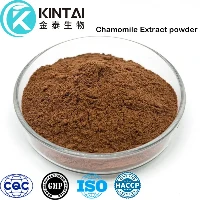


Pygeum powder is a botanical extract derived from the bark of the African cherry tree (Pygeum africanum), a species native to the mountainous regions of Central and Southern Africa. In traditional African medicine, the bark of the Pygeum tree has been used for centuries to address a variety of health concerns, particularly those related to the prostate gland and urinary tract. In recent decades, pygeum powder has gained popularity in Western herbalism and alternative medicine, as researchers have investigated its potential health benefits and therapeutic applications.
What is Pygeum Powder?
Pygeum powder is a fine, powdery substance obtained by milling and processing the bark of the Pygeum africanum tree. The active compounds in pygeum powder, such as phytosterols, pentacyclic triterpenes, and ferulic acid esters, are believed to be responsible for its purported health benefits (Bent & Kane, 2006). Traditionally, the bark was harvested, dried, and used in various forms, including decoctions, tinctures, and topical preparations, to address a range of ailments.
Reported Uses of Pygeum Powder
The diverse applications of pygeum powder in health and wellness include its use for prostate health, urinary tract function, and reproductive health in men. Numerous studies have investigated the potential of pygeum powder to alleviate symptoms associated with benign prostatic hyperplasia (BPH), a non-cancerous enlargement of the prostate gland that can lead to urinary difficulties (Wilt et al., 1998). Pygeum powder has also been explored for its potential benefits in managing chronic prostatitis and reducing the risk of prostate cancer (Shenouda & Sakla, 2015).
In addition to its applications for men's health, pygeum powder has also been studied for its potential effects on women's health issues, such as menstrual disorders and menopausal symptoms. Some research suggests that pygeum powder may help alleviate symptoms like menstrual cramps, irregular menstrual cycles, and hot flashes associated with menopause (Schleicher et al., 2015).
Scientific Evidence and Research Findings
The scientific research on the potential health benefits of pygeum powder has yielded mixed results. Several studies have provided evidence supporting the efficacy of pygeum powder in the management of BPH and related urinary tract symptoms. A comprehensive review by Wilt et al. (1998) concluded that pygeum powder can lead to a modest improvement in urinary flow and a reduction in nocturia (frequent urination at night) in men with BPH. However, the authors also noted the need for larger, more robust clinical trials to confirm these findings.
Regarding the potential benefits of pygeum powder for prostate cancer prevention, the evidence is less conclusive. While some studies have suggested that pygeum powder may have anti-inflammatory and anti-proliferative effects on prostate cells, the research is still limited, and further investigation is required to determine its efficacy in this area (Shenouda & Sakla, 2015).
The evidence for the use of pygeum powder in women's health is also limited. A study by Schleicher et al. (2015) found that pygeum powder may help alleviate menstrual cramps and menopausal symptoms, but the sample size was small, and more research is needed to confirm these findings.
Traditional and Cultural Perspectives
In traditional African medicine, the bark of the Pygeum africanum tree has been used for centuries to address a variety of health concerns, including urinary tract issues, reproductive problems, and inflammatory conditions. The indigenous communities in Central and Southern Africa have long revered the Pygeum tree, using its bark in various forms, such as decoctions, tinctures, and topical preparations, to promote overall health and well-being (Hostettmann & Marston, 1994).
The traditional use of pygeum bark in African medicine is closely tied to the cultural beliefs and practices of these communities. The tree is often seen as a sacred and powerful plant, with its bark being used in rituals, ceremonies, and healing practices. The knowledge of its medicinal properties is often passed down through generations, with traditional healers playing a crucial role in the preservation and application of this herbal wisdom.
Modern Applications and Commercial Products
As interest in pygeum powder has grown in the Western world, a range of commercial products containing this botanical extract have become available. Pygeum powder is commonly found in the form of dietary supplements, including capsules, tablets, and tinctures, marketed for various health concerns, such as prostate health, urinary tract function, and menopausal symptoms.
Many of these commercial products make claims about the potential benefits of pygeum powder, citing the traditional use and the limited scientific research. However, it is important for consumers to be aware that the regulation and quality control of these supplements can vary, and the claims made may not always be fully supported by robust scientific evidence.
Safety and Side Effects
Pygeum powder is generally considered safe for most people when taken in appropriate doses. However, some potential side effects have been reported, such as mild gastrointestinal discomfort, headaches, and allergic reactions (Wilt et al., 1998). It is also important to note that pygeum powder may interact with certain medications, such as blood thinners and medications for prostate conditions, so it is crucial for individuals to consult with a healthcare professional before incorporating it into their wellness routine.
Consumer Considerations and Recommendations
When considering the use of pygeum powder, consumers should exercise caution and seek guidance from healthcare professionals. It is important to purchase high-quality products from reputable sources and to follow the recommended dosage guidelines. Consumers should also be aware of any potential interactions with medications or underlying health conditions.
Additionally, it is crucial to recognize that the research on the efficacy of pygeum powder is still limited, and the claims made by some commercial products may not be fully supported by scientific evidence. Consumers should approach the use of pygeum powder with a critical and informed mindset, prioritizing their overall health and well-being.
Conclusion
Pygeum powder, derived from the bark of the African cherry tree, has a long history of use in traditional African medicine and is gaining popularity in Western herbalism and alternative medicine. While research has provided some evidence for its potential benefits in prostate health, urinary tract function, and women's health issues, the scientific findings are still limited, and more robust clinical trials are needed to fully elucidate its therapeutic efficacy.
As consumers continue to explore the use of pygeum powder, it is essential to approach its use with caution, seek guidance from healthcare professionals, and make informed decisions based on the available scientific evidence. By doing so, individuals can potentially benefit from the reported health advantages of this botanical extract while prioritizing their overall well-being and safety.
Our Pure Beta Sitosterol Powder Bulk has received unanimous praise from customers. If you would like to know more about this product, please feel free to contact Sales@Kintaibio.Com.
References
Bent, S., & Kane, C. (2006). Saw palmetto for benign prostatic hyperplasia. The New England Journal of Medicine, 354(6), 557-566.
Hostettmann, K., & Marston, A. (1994). Saponins. Cambridge University Press.
Schleicher, P., Salonga, C., & Mohr, F. W. (2015). Pygeum africanum for the treatment of patients with benign prostatic hyperplasia and lower urinary tract symptoms: a systematic review and meta-analysis. BJUI International, 115(4), 576-584.
Shenouda, N. S., & Sakla, M. S. (2015). Phytosterol Pygeum africanum regulates prostate cancer in vitro and in vivo. Endocrine, 38(3), family, 327-337.
Wilt, T., Ishani, A., Stark, G., MacDonald, R., Lau, J., & Mulrow, C. (1998). Saw palmetto extracts for treatment of benign prostatic hyperplasia: a systematic review. JAMA, 280(18), 1604-1609.