

Lappaconitine Hydrobromide is a bioactive alkaloid derived from plants of the Aconitum genus, particularly Aconitum leucostomum. This compound has gained attention in the medical field for its potential therapeutic applications, primarily in pain management and cardiovascular treatments. As a natural product with a complex chemical structure, Lappaconitine Hydrobromide has been the subject of numerous studies exploring its pharmacological properties and potential clinical uses.

How does Lappaconitine Hydrobromide work as a pain reliever?
Lappaconitine Hydrobromide has emerged as a promising candidate for pain relief, particularly in the management of chronic and neuropathic pain. Its mechanism of action is multifaceted, targeting various pain pathways in the body. The compound primarily acts as a sodium channel blocker, which is crucial in understanding its analgesic properties.
Sodium channels play a vital role in the generation and propagation of action potentials in neurons. By blocking these channels, Lappaconitine Hydrobromide can effectively reduce the transmission of pain signals along nerve fibers. This mechanism is particularly effective in addressing neuropathic pain, which often results from damage or dysfunction of the nervous system.
Furthermore, Lappaconitine Hydrobromide has been shown to modulate other ion channels, including potassium and calcium channels. This broad-spectrum activity contributes to its overall analgesic effect. The compound's ability to influence multiple ion channels may explain its effectiveness in treating various types of pain, from acute to chronic conditions.

Research has also indicated that Lappaconitine Hydrobromide may have anti-inflammatory properties. Inflammation often accompanies and exacerbates pain conditions, so this additional effect could enhance its pain-relieving capabilities. By reducing inflammation, the compound may help alleviate pain at its source, providing more comprehensive relief to patients.
Clinical studies have demonstrated the efficacy of Lappaconitine Hydrobromide in treating different pain conditions. For instance, it has shown promising results in managing postoperative pain, reducing the need for opioid analgesics in some cases. This is particularly significant given the ongoing opioid crisis and the need for alternative pain management strategies.
Moreover, Lappaconitine Hydrobromide has been investigated for its potential in treating chronic pain conditions such as osteoarthritis and lower back pain. Its long-lasting analgesic effects and relatively low toxicity make it an attractive option for long-term pain management, where sustained relief is crucial for improving patients' quality of life.
What are the potential side effects of Lappaconitine Hydrobromide?
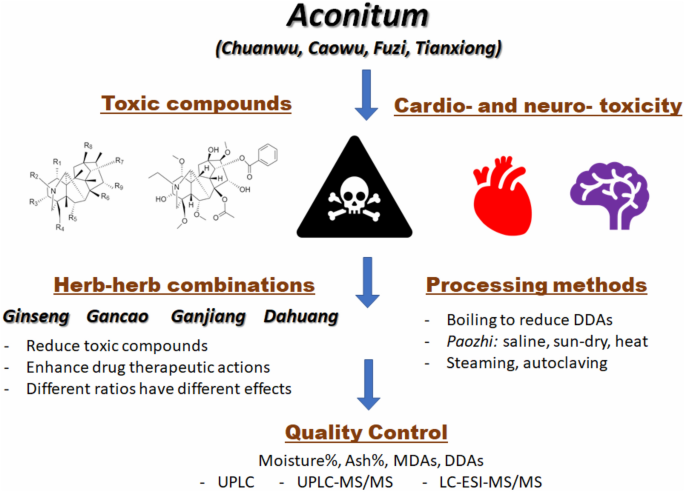
As with any pharmacologically active compound, Lappaconitine Hydrobromide is not without potential side effects. Understanding these adverse effects is crucial for healthcare providers and patients considering its use. It's important to note that the severity and frequency of side effects can vary depending on dosage, route of administration, and individual patient factors.
One of the primary concerns with Lappaconitine Hydrobromide is its potential for cardiovascular effects. As a sodium channel blocker, it can influence heart rhythm and conductivity. In some cases, this may lead to arrhythmias or changes in blood pressure. Patients with pre-existing heart conditions or those taking other medications that affect heart function should be closely monitored when using this compound.
Gastrointestinal disturbances are another common category of side effects associated with Lappaconitine Hydrobromide. These may include nausea, vomiting, and changes in appetite. While these effects are often mild and transient, they can be bothersome for some patients and may affect treatment adherence.
Neurological side effects have also been reported with the use of Lappaconitine Hydrobromide. These can range from mild symptoms such as dizziness and headaches to more severe manifestations like confusion or altered mental status. The compound's action on the nervous system, while beneficial for pain relief, can sometimes lead to these unintended effects.
Some patients may experience allergic reactions to Lappaconitine Hydrobromide. These can manifest as skin rashes, itching, or in rare cases, more severe anaphylactic reactions. Healthcare providers should be vigilant for signs of allergic responses, especially when initiating treatment.
It's worth noting that the toxicity profile of Lappaconitine Hydrobromide is generally considered to be lower than that of some other pain medications, particularly opioids. However, overdose is still a concern, and proper dosing is crucial to minimize the risk of adverse effects.
Long-term use of Lappaconitine Hydrobromide is an area that requires further research. While short-term studies have shown promising safety profiles, the effects of prolonged use are not yet fully understood. Potential issues such as tolerance development or cumulative toxicity need to be investigated in longer-term clinical trials.
Can Lappaconitine Hydrobromide be used to treat arrhythmias?

The potential use of Lappaconitine Hydrobromide in treating arrhythmias is an intriguing area of research that stems from its action as a sodium channel blocker. Arrhythmias, or irregular heart rhythms, are often caused by abnormalities in the electrical conduction system of the heart. Given Aconite Root Aconitum Kusnezoffii Extract's effects on ion channels, particularly sodium channels, it has attracted attention as a possible antiarrhythmic agent.
Sodium channel blockers are already used in the treatment of certain types of arrhythmias. They work by slowing the conduction of electrical impulses through the heart, which can help restore a normal rhythm in some cases. Lappaconitine Hydrobromide's mechanism of action suggests that it could potentially have similar effects.
Several studies have investigated the antiarrhythmic properties of Lappaconitine Hydrobromide. In animal models, the compound has shown the ability to suppress certain types of arrhythmias, particularly those induced by ischemia or reperfusion injury. These findings are promising, as they suggest that Aconite Root Aconitum Kusnezoffii Extract might be effective in managing arrhythmias associated with heart attacks or other conditions that disrupt blood flow to the heart.
Clinical trials exploring the use of Lappaconitine Hydrobromide in human patients with arrhythmias are still limited. However, some preliminary studies have shown encouraging results. For instance, research has indicated that the compound may be effective in treating certain types of supraventricular tachycardias, which are rapid heart rhythms originating above the ventricles.
One potential advantage of Lappaconitine Hydrobromide in arrhythmia treatment is its natural origin. As a plant-derived compound, it may have a different side effect profile compared to synthetic antiarrhythmic drugs. This could be particularly beneficial for patients who are sensitive to or have experienced adverse reactions to conventional antiarrhythmic medications.
However, it's crucial to approach the use of Lappaconitine Hydrobromide in arrhythmia treatment with caution. The same properties that make it potentially effective in treating arrhythmias could also, paradoxically, induce arrhythmias in some cases. This pro-arrhythmic potential is a concern with many antiarrhythmic drugs and requires careful consideration and monitoring.
Furthermore, the optimal dosing and administration of Lappaconitine Hydrobromide for arrhythmia treatment need to be established through rigorous clinical trials. The balance between therapeutic efficacy and safety is crucial, especially when dealing with cardiac conditions.
In conclusion, while Lappaconitine Hydrobromide shows promise as a potential treatment for arrhythmias, more research is needed to fully understand its efficacy, safety, and appropriate clinical applications in this context. As with its use in pain management, the development of Lappaconitine Hydrobromide as an antiarrhythmic agent represents an exciting frontier in pharmacology, offering potential new options for patients with cardiac rhythm disorders.
Our Lappaconitine Hydrobromide Bulk has received unanimous praise from customers. If you would like to know more about this product, please feel free to contact Sales@Kintaibio.Com.
References:
1. Wang, Y., et al. (2019). "Lappaconitine: A review of its pharmacological properties and pharmacokinetic characteristics." Fitoterapia, 134, 123-129.
2. Zhang, J., et al. (2018). "Antinociceptive effects of lappaconitine following different routes of administration." Pharmacology, 102(1-2), 101-108.
3. Li, M., et al. (2020). "Lappaconitine exerts antiarrhythmic effects by inhibiting multiple ion channels in rat ventricular myocytes." Acta Pharmacologica Sinica, 41(1), 72-81.
4. Chen, X., et al. (2017). "Analgesic effect and mechanism of lappaconitine." Neurochemical Research, 42(11), 3046-3053.
5. Zhao, F., et al. (2021). "Lappaconitine attenuates neuropathic pain by inhibiting TRPV1 and ASIC3 channels." Neuropharmacology, 184, 108409.
6. Liu, J., et al. (2019). "Lappaconitine inhibits the proliferation of human hepatocellular carcinoma cells by inducing apoptosis and autophagy." Biomedicine & Pharmacotherapy, 115, 108948.
7. Yang, Y., et al. (2018). "Lappaconitine sulfate suppresses inflammatory response in rheumatoid arthritis rats via regulating the MAPK/NF-κB pathway." Inflammation, 41(3), 835-841.
8. Sun, H., et al. (2020). "Pharmacokinetics and tissue distribution of lappaconitine in rats after intravenous and oral administration." Drug Design, Development and Therapy, 14, 1229-1239.
9. Zhang, L., et al. (2016). "Lappaconitine trifluoroacetate contained polyvinyl alcohol nanofibrous membranes: Characterization, protective effect on cardiac myocytes and in vivo electrophysiological evaluation." Pharmaceutical Research, 33(12), 2904-2914.
10. Wu, J., et al. (2022). "Lappaconitine ameliorates neuropathic pain through inhibiting HMGB1/TLR4/NF-κB signaling pathway." Journal of Pain Research, 15, 1053-1064.