

Taxifolin (also known as dihydroquercetin) is a natural flavonoid with a variety of pharmacological properties. It has been extensively studied for its various therapeutic potentials, many of which are due to its potent antioxidant and anti-inflammatory activities. The following is an overview of the main pharmacological properties of taxifolin:

Antioxidant activity
Mechanism: Taxifolin is a potent antioxidant that scavenge free radicals and reduce oxidative stress. It inhibits lipid peroxidation, protects DNA from oxidative damage, and maintains the integrity of cell membranes.

Application: It is frequently studied for its potential to treat or prevent diseases associated with oxidative stress, such as cardiovascular disease, neurodegenerative diseases (e.g., Alzheimer's disease, Parkinson's disease), and cancer.
Anti-inflammatory activity
Mechanism: Taxifolin inhibits the expression of proinflammatory cytokines such as TNF-α, IL-1β, and IL-6. It also inhibits the activation of nuclear factor κB (NF-κB), which plays a central role in regulating inflammatory responses.
Applications: It is used to treat inflammatory diseases, including arthritis, asthma, and inflammatory bowel disease.
Anticancer Activity
Mechanism: Taxifolin exerts its anticancer effects through multiple pathways:Induces apoptosis (programmed cell death) in cancer cells.Inhibits cancer cell proliferation.Prevents metastasis by inhibiting matrix metalloproteinases (MMPs), enzymes involved in tumor invasion.Inhibits angiogenesis (the formation of new blood vessels), which is essential for tumor growth.
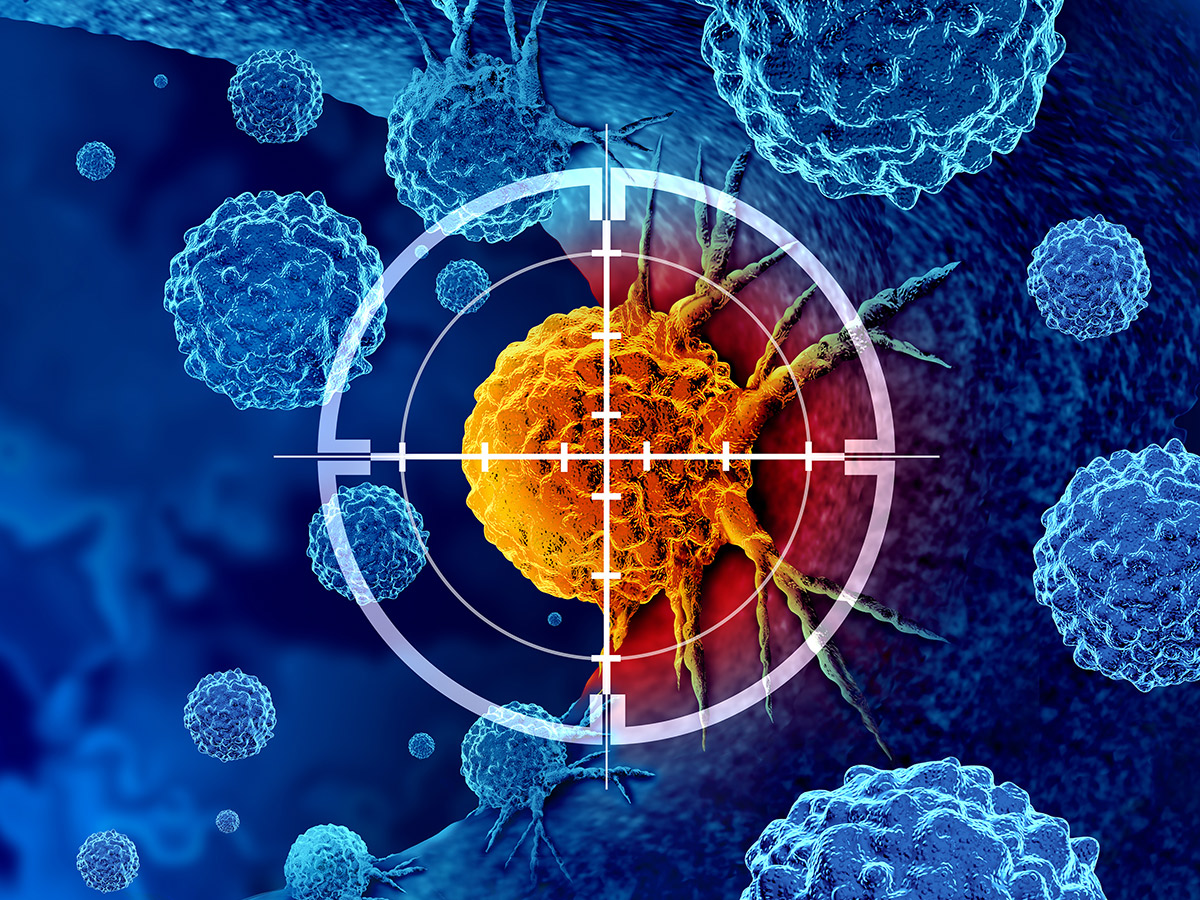
Applications: It is being studied for its potential to treat a variety of cancers, including lung, breast, liver, and colorectal cancers.
Cardioprotective Effects
Mechanism: Taxifolin improves cardiovascular health by:
Reducing oxidative damage to endothelial cells (the lining of blood vessels).
Inhibiting platelet aggregation, which reduces the risk of thrombosis (blood clots).
Lowering blood lipid levels (cholesterol and triglycerides), which helps control atherosclerosis (plaque buildup in arteries).
Improving blood vessel elasticity by increasing the bioavailability of nitric oxide (NO), promoting vasodilation, and lowering blood pressure.

Application: It shows promise in preventing or managing atherosclerosis, hypertension, and other cardiovascular diseases.
Neuroprotective Effects
Mechanism: Taxifolin's antioxidant properties help reduce neuronal damage caused by oxidative stress. It also has anti-inflammatory properties that can prevent neuroinflammation, a factor in neurodegenerative diseases.
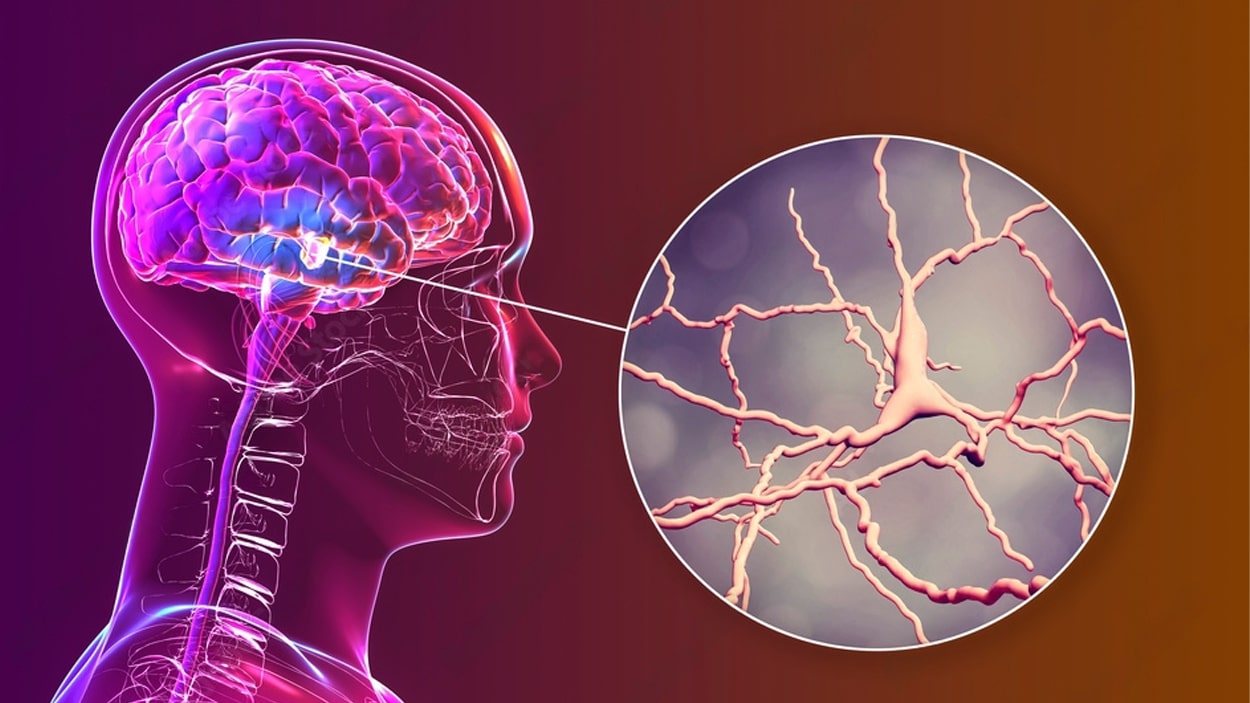
Application: Studies have shown that it may have therapeutic potential in diseases such as Alzheimer's disease, Parkinson's disease, and ischemic stroke by protecting neurons and reducing cognitive decline.
Hepatoprotective Effects
Mechanism: Taxifolin reduces oxidative stress in the liver and reduces liver enzyme levels, which are hallmarks of liver damage. It also has anti-fibrotic properties that help reduce liver fibrosis (scarring).

Application: It may help treat liver diseases such as cirrhosis, nonalcoholic fatty liver disease (NAFLD), and drug-induced liver damage.
Antimicrobial Activity
Mechanism: Taxifolin has shown activity against a variety of bacterial, fungal, and viral pathogens. It disrupts microbial cell walls, inhibits microbial growth, and interferes with the formation of microbial biofilms.
Application: It has been explored for its potential as a natural antimicrobial agent, particularly against drug-resistant bacterial strains and as an adjunct to antibiotic therapy.
Antidiabetic Activity
Mechanism: Taxifolin helps regulate glucose metabolism by enhancing insulin sensitivity and lowering blood sugar levels. It also protects pancreatic beta cells from oxidative stress and inflammation.
Application: It shows potential for managing diabetes and preventing diabetic complications such as nephropathy (kidney damage) and retinopathy (eye damage).
Skin Protection and Anti-Aging Effects
Mechanism: Taxifolin protects skin cells from UV-induced oxidative damage and inhibits the degradation of collagen, which is essential for maintaining skin elasticity and preventing wrinkles.

Application: It is considered for cosmetic formulations of anti-aging and skin protection products.
Bone Health
Mechanism: Taxifolin may help maintain bone density by stimulating osteoblast (bone-forming cell) activity and inhibiting osteoclast (bone-absorbing cell) activity.
Application: It is being studied for its potential role in preventing osteoporosis.
Antiviral Activity
Mechanism: Taxifolin has shown inhibitory effects against some viruses, including influenza, HIV, and SARS-CoV-2. It blocks viral replication and entry into host cells.
Application: This makes it a potential candidate for antiviral therapy, although further studies are needed to confirm its efficacy against viral infections in humans.
Pharmacokinetics and Bioavailability
Absorption: Taxifolin is absorbed in the small intestine and is extensively metabolized in the liver.
Bioavailability: Its bioavailability may be limited due to rapid metabolism and inefficient absorption, but research is underway to improve its delivery through advanced formulations.
Metabolism: It is metabolized to various glucuronides and sulfates, which may also exhibit biological activity.
Elimination: Taxifolin is primarily excreted in the urine.

In conclusion, taxifolin is a multifunctional flavonoid with promising therapeutic potential in various disease conditions, mainly due to its antioxidant, anti-inflammatory, and anticancer properties. Ongoing studies are exploring its further applications in pharmacology and medicine. If you want more information, please contact us Email: sales@kintaibio.com | WhatsApp: +86-181 8259 4708 and we will have more professional people to serve you.