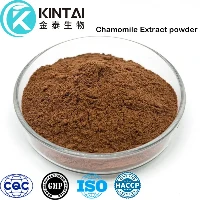


Hops are the flowering cone of the Humulus lupulus plant, and they have been used in brewing for centuries. They give beers their characteristic bitterness and aroma. Hops flower powder is becoming increasingly popular for its medicinal benefits in addition to its use in beverages. What has people so intrigued with it is not just its palatable drink experience but also its range of health benefits.
What is Hops Flower Powder?
One of the most vital members of the cannabis family is the cone-shaped, lupulin-filled hops flowers. The glands contain the ingredients that impart beer its unique flavor and bitterness. The female flowers are the primary source of the resins and oils used in brewing.
The flowers themselves are green and composed of papery bracts and petals. Inside the flowers are the yellow lupulin glands that contain the alpha acids, beta acids, essential oils, and polyphenols that provide the medicinal and gustatory qualities. Humulone, cohumulone, adhumulone, lupulone, and colupulone are examples of alpha acids.
Drying and crushing the flowers by hand is the method used to make hops flower powder. This releases the plant's medicinal potential by turning it into a fine powder. The flowers are harvested then carefully dried through processes like vacuum drying or freeze drying to preserve the delicate oils and resins. The dried cones are then milled into a superfine powder that can be easily added to teas, capsules, tablets, and tinctures.
Powdered hops flowers provide a wealth of beneficial compounds. The main ingredients that give it its therapeutic qualities are xanthohumol, myrcene, and humulene.
Xanthohumol is a prenylated flavonoid that has been shown in research to have antioxidant, anti-inflammatory, anticancer, antiviral, and antibacterial properties. It protects cells from damage and inhibits enzymes involved in cancer growth.
Myrcene is a terpene found in high concentrations in hops flowers. It has muscle-relaxing, sedative effects that contribute to the calming properties of hops. Myrcene also helps regulate the peripheral endocannabinoid system.
Humulene is another terpene prevalent in hops. Like myrcene, it provides anti-inflammatory effects by suppressing TNF-alpha, IL-1beta, and IL-6 cytokines. It is also antibacterial and may suppress appetite.
In addition to these key players, hops flowers contain essential vitamins, minerals, flavonoids, phenolic acids, and volatile oils that round out its therapeutic utility.
Overview of Traditional Medicinal Practices
- Traditional Uses in Herbal Medicine
Hops flower extract has long been used in herbal therapy, dating back many centuries. It has long been a mainstay of traditional medicine, providing relief for a wide range of ailments. Records show that ancient Greek and Roman cultures relied on its healing powers.
Chinese healers recommended hops as a remedy for a variety of conditions. Traditional Ayurvedic practitioners utilized hops flowers for their sleep-enhancing and relaxing benefits. European herbalists incorporated hops into treatments for anxiety, sleeplessness, indigestion, pain relief, and skin conditions.
Across many healing traditions worldwide, hops flowers established themselves as a versatile medicinal herb for an expansive range of health complaints. Even today, herbal medicine practitioners reach for hops flower powder to create natural treatments.
- Role in Promoting Relaxation and Sleep
It has long been prized for its ability to alleviate tension and improve sleep. Because of its calming qualities, it's a popular remedy for people seeking natural ways to unwind. Traditional Chinese Medicine classified hops as a herb that nourishes the yin, meaning it replenishes the body's reserves and relaxes the nervous system.
Ayurveda utilized hops as a natural sleep aid. European herbalists prescribed hops tea and pillows stuffed with hops flowers to usher in restful sleep and pleasant dreams. They also recommended hops baths to reduce nervous tension.
- Historical Remedies for Anxiety and Digestive Issues
Beyond its sleep-promoting abilities, hops flowers have been used traditionally to treat anxiety, stress, and digestive complaints. Traditional healers in Europe turned to hops to calm restlessness, irritability, and nervousness. Hops bitters were used to rouse the appetite and relieve indigestion.
Chinese Medicine employed hops flowers as a remedy for a host of digestive troubles including stomach aches, lethargy, diarrhea, and anorexia. They also believed it strengthened the spleen, stimulated digestion, and improved food assimilation.
Promoting Relaxation and Relieving Stress
Hops flower powder extract has calming qualities that make it a useful tool for stress relief and relaxation. For anyone looking for natural stress-reduction techniques, this makes it a great addition to herbal blends and supplements.
The myrcene and humulene terpenes lend hops flowers its ability to subdue stress, tension, anxiety, and restlessness. These terpenes help suppress neuronal excitability and stimulation in the central nervous system. The bitter acids may also exert a relaxing effect by regulating GABA and serotonin neurotransmission.
Drinking a hot cup of hops tea is an excellent way to take advantage of its soothing nature after a stressful day. Some people add hops flower powder to baths to soak away tension. The sedative properties can promote deeper, more restorative rest when taken before bed.
- Managing Symptoms of Insomnia and Anxiety
A hops flower powder has been shown to be helpful in treating insomnia and anxiety. Its nerve-calming qualities allow people to sleep better and feel less anxious. The myrcene content merits its reputation as a natural sedative.
By binding to CB1 receptors, myrcene can produce sedation and sleep-enhancing effects like those of cannabinoids. The pull of myrcene on the CB1 receptor also helps lower anxiety levels and restlessness. People looking for a natural alternative to anxiety medications may benefit from hops flower powder.
Health Benefits of Hops Flower Powder
- Improving Sleep Quality and Duration
Hops flower powder extract may be an ally in improving the quantity and quality of sleep due to its sedative properties. Its innate ability to induce sleep makes it helpful for those experiencing insomnia.
Clinical trials have validated the sleep-enhancing benefits of hops flower powder. Studies used doses between 80-500 mg taken daily before bedtime. Participants reported improved sleep quality, fewer nighttime awakenings, increased rapid eye movement (REM) sleep, and increased sleep time.
Researchers believe compounds like myrcene and humulene work synergistically to boost sedative effects and calm nighttime restlessness. The polyphenols may also contribute by increasing melatonin levels in the body.
- Managing Insomnia and Sleep Disorders
Preliminary research suggests that hops flower extract powder may be useful in treating insomnia and other sleep disorders. Its gentle approach to promoting sleep makes it attractive as more people look to natural sleep aids.
A randomized controlled trial found that a hops supplement increased sleep duration and quality and improved insomnia severity among participants. The effects were more prominent in people with anxiety-related insomnia compared to non-anxious insomniacs.
Sleep experts posit that hops flower powder may decrease sleep latency and increase non-REM sleep without affecting REM sleep cycles. This is preferable to pharmaceutical sedatives that can impair REM sleep. More high-quality clinical research is still needed to confirm the efficacy and optimal dosage.
- Taking Pain Relief and Inflammation Down
Hops flower powder's analgesic and anti-inflammatory qualities may make it helpful for pain management and inflammation reduction. This could be particularly beneficial for people with conditions like arthritis, migraines, injuries, and menstrual cramps.
Hops flowers contain alpha acids that inhibit the COX-2 enzyme involved in pain and inflammation pathways. This gives it similar effects as non-steroidal anti-inflammatory drugs (NSAIDs) without the harsh side effects.
Some clinical studies indicate hops flowers can significantly reduce pain and functional impairment in osteoarthritis patients. Further human trials are warranted to substantiate its pain-relieving abilities compared to NSAIDs and opiates.
Hormonal Balance and Menopausal Symptoms
- Supporting Hormonal Balance
Hormone balance may be supported by hops flower extract powder, particularly in women. Hormone homeostasis may be maintained due to its phytoestrogenic characteristics. The 8-prenylnaringenin in hops has potent estrogenic activity.
Research indicates 8-PN can bind to estrogen receptors in the body and exert selective estrogen receptor modulator (SERM)-like effects. This may help normalize hot flashes, night sweats, anxiety, and sexual dysfunction related to menopause.
More studies are needed to fully understand its mechanisms of action and safety for long-term use. But hops flower powder offers a promising alternative for supporting female hormonal health.
- Managing Menopausal Symptoms
Studies suggest that taking powdered hops may help manage menopausal hot flashes and mood disturbances. Its natural approach to hormonal support provides an alternative to conventional hormone replacement therapies.
In one trial, menopausal women given a hops supplement for 8 weeks experienced reductions in hot flash frequency, severity, and interference. They also reported decreased insomnia and improvements in quality of life.
The estrogenic metabolites are believed to balance estrogen levels and minimize hot flashes. The sedative effects may also modulate brain pathways that control thermoregulation and sleep. More clinical research can help optimize safe hops flower powder doses for menopausal women.
Safety Considerations and Precautions
- Addressing Potential Contraindications
While there appear to be some benefits to using hops flower powder, it's important to be aware of any potential risks as well. Those taking pharmaceutical medicines or with pre-existing health conditions should speak with healthcare professionals before adding it to their regimen.
Though generally considered safe for short-term use at moderate doses, hops may interact with certain medications metabolized by CYP enzymes. Hops can potentially worsen conditions like depression, hormone-sensitive cancers, and endometriosis. Excessive doses may also induce drowsiness.
Pregnant and nursing women should exercise caution with hops supplements due to lack of safety data. Those scheduled for surgery should stop hops two weeks prior as it may increase sedation under anesthesia. For liver disease, a qualified practitioner should be consulted before using hops extracts.
- Importance of Professional Consultation
The significance of consulting a professional cannot be overstated, particularly for those with certain health concerns. This ensures informed decisions are made regarding the use of hops flower powder extract. A knowledgeable practitioner can provide guidance on potential benefits, proper dosing, side effects, and contraindications based on the unique health profile of each individual. Self-medication with hops can be risky, so professional opinions are advised.
Sustainability and Ethical Sourcing
- Environmental Effects of Hop Farming
The environmental impact of conventional hop farming can be significant, with high usage of pesticides, fungicides, fertilizers, and water. However, the sustainability practices of hops suppliers are improving, driven by consumer demand.
Organic hops cultivation reduces chemical residues by using natural pest control and pollinators. No-till or reduced-till farming preserves soil ecology. Renewable energy like solar and wind can power processes. Thoughtful water management maintains conservation.
Seeking organically grown hops and products from eco-conscious companies helps reduce the ecological footprint. This ensures the medicinal benefits don't come at the expense of environmental health.
- Fair Trade and Labor Practices
Reputable hops suppliers should commit to fair labor practices, safe working conditions, and reasonable wages for farmers and workers. The explosion of the craft brewing industry has led to opportunities for small independent farms.
Supporting local agriculture boosts communities. Buying from ethical sellers encourages sustainable farming livelihoods without exploiting impoverished populations. Analyzing business ethics ensures the merits of hops don't come from unethical means.
Conclusion
In summary, hops flower powder has extensive benefits beyond its role in brewing. Its ability to promote relaxation, support sleep, and address numerous health conditions is evidenced by its long history in traditional medicine as well as recent scientific studies. Hops flower powder is a promising natural remedy, offering a holistic approach to wellbeing.
However, some safety concerns need to be addressed with further research. Consulting health professionals about using hops extracts medicinally can help avoid potential risks. Sourcing hops products mindfully and sustainably maximizes the balancing effects on human health and the environment.
With judicious and appropriate application, hops flower powder can be an excellent botanical ally. Ongoing research into its pharmacology and therapeutic mechanisms will illuminate how this plant medicine can be optimally harnessed.
If you would like to know more about this product, please feel free to contact Sales@Kintaibio.Com.
References
Franco L, Sánchez C, Bravo R, Rodríguez AB, Barriga C, Romero E, Cubero J. The sedative effect of non-alcoholic beer in healthy female nurses. PLoS One. 2012;7(7):e37290. doi:10.1371/journal.pone.0037290
Stevens JF, Page JE. Xanthohumol and related prenylflavonoids from hops and beer: to your good health!. Phytochemistry. 2004;65(10):1317-1330. doi:10.1016/j.phytochem.2004.04.025
Miranda CL, Stevens JF, Helmrich A, et al. Antiproliferative and cytotoxic effects of prenylated flavonoids from hops (Humulus lupulus) in human cancer cell lines. Food Chem Toxicol. 1999;37(4):271-285. doi:10.1016/s0278-6915(99)00026-7