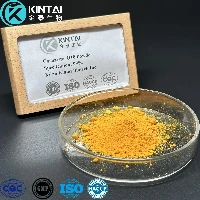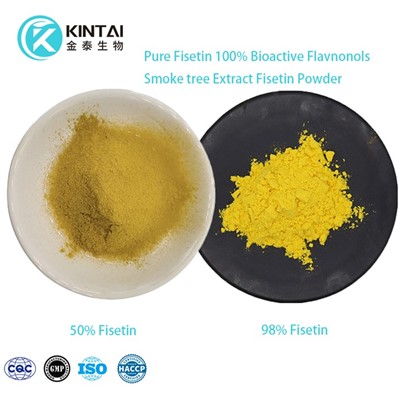


Fisetin and quercetin are both flavonoids, a class of plant pigments known for their potential health benefits. While they share some similarities, Cotinus Coggygria Extract Fisetin Powder and quercetin powder are distinct compounds with unique properties and effects. This blog post will explore the differences and similarities between these two popular supplements, their potential health benefits, and how they can be incorporated into your wellness routine.If you would like to know more about this product, please feel free to contact Sales@Kintaibio.Com.

What are the health benefits of Cotinus Coggygria Extract Fisetin Powder?
Fisetin, a flavonoid found in various fruits and vegetables, has gained attention in recent years for its potential health benefits. As a powerful antioxidant, fisetin has shown promise in several areas of health and wellness:

1. Neuroprotection: Fisetin has demonstrated neuroprotective properties in preclinical studies. Research suggests that it may help protect brain cells from oxidative stress and inflammation, potentially reducing the risk of age-related cognitive decline and neurodegenerative diseases. Some studies have shown that fisetin can cross the blood-brain barrier, making it a promising candidate for supporting brain health.
2. Senolytic activity: One of the most exciting areas of fisetin research is its potential as a senolytic agent. Senolytics are compounds that can selectively eliminate senescent cells, which are associated with aging and age-related diseases. Preclinical studies have shown that fisetin may help clear these damaged cells, potentially slowing down the aging process and improving overall health.
3. Anti-inflammatory effects: Chronic inflammation is linked to numerous health issues, including cardiovascular disease, diabetes, and certain types of cancer. Fisetin has demonstrated anti-inflammatory properties in various studies, suggesting that it may help reduce systemic inflammation and support overall health.
4. Cardiovascular health: Some research indicates that fisetin may have cardioprotective effects. It has been shown to help reduce oxidative stress in heart tissue and may support healthy blood pressure levels. Additionally, fisetin may help maintain healthy cholesterol levels, further contributing to cardiovascular health.
5. Metabolic health: Preliminary studies suggest that fisetin may have beneficial effects on metabolic health. It has shown potential in improving insulin sensitivity and glucose metabolism, which could be particularly beneficial for individuals at risk of or managing type 2 diabetes.
6. Skin health: As an antioxidant, fisetin may help protect the skin from oxidative damage caused by UV radiation and environmental pollutants. Some research suggests that it may have anti-aging effects on the skin, potentially helping to reduce the appearance of fine lines and wrinkles.
It's worth noting that while these potential benefits are promising, most of the research on fisetin has been conducted in laboratory and animal studies. More human clinical trials are needed to fully understand its effects and optimal dosage for various health applications. As with any supplement, it's essential to consult with a healthcare professional before adding fisetin powder to your regimen, especially if you have any pre-existing health conditions or are taking medications.
How does quercetin powder differ from fisetin powder?
While fisetin and quercetin are both flavonoids with antioxidant properties, they have distinct characteristics and potential health benefits. Understanding these differences can help you make an informed decision about which supplement might be more suitable for your specific health goals.


1. Chemical structure: Although fisetin and quercetin are structurally similar, they have slight differences in their molecular arrangement. These structural variations contribute to their unique properties and biological activities.
2. Natural sources: Both compounds are found in various fruits and vegetables, but their concentrations differ:
- Fisetin is most abundant in strawberries, apples, persimmons, and onions.
- Quercetin is found in higher concentrations in onions, apples, berries, and tea.
3. Bioavailability: One significant difference between fisetin and quercetin is their bioavailability, or how well they are absorbed and utilized by the body:
- Fisetin has been shown to have higher bioavailability compared to quercetin, meaning it may be more efficiently absorbed and used by the body.
- Quercetin's bioavailability can be enhanced when combined with other compounds, such as vitamin C or bromelain.
4. Specific health benefits: While both compounds share some health benefits, they each have unique areas where they excel:
- Fisetin:
- Shows stronger senolytic activity, potentially offering more significant anti-aging effects.
- May have more potent neuroprotective properties, making it particularly interesting for brain health.
- Quercetin:
- Has been more extensively studied for its allergy-fighting properties, particularly in reducing histamine release.
- Shows stronger antiviral potential, which may be beneficial for immune support.
5. Anti-inflammatory effects: Both fisetin and quercetin have anti-inflammatory properties, but they may work through slightly different mechanisms:
- Fisetin has been shown to inhibit specific inflammatory pathways, such as the NF-κB pathway.
- Quercetin's anti-inflammatory effects are often attributed to its ability to modulate various inflammatory mediators and enzymes.
6. Antioxidant potency: While both compounds are powerful antioxidants, some studies suggest that Cotinus Coggygria Extract Fisetin Powder may have higher antioxidant capacity compared to quercetin. However, the practical significance of this difference in real-world applications is still being researched.
7. Metabolic effects: Both fisetin and quercetin have shown potential benefits for metabolic health, but their effects may differ slightly:
- Fisetin has demonstrated more promising results in improving insulin sensitivity and glucose metabolism in some studies.
- Quercetin has been more extensively studied for its potential to support weight management and metabolic health.
8. Cardiovascular health: Both compounds show promise in supporting heart health, but their mechanisms may vary:
- Fisetin has shown potential in reducing oxidative stress in heart tissue and supporting healthy blood pressure.
- Quercetin has been more widely studied for its effects on reducing blood pressure and improving endothelial function.
9. Research status: The current body of research on these compounds differs:
- Quercetin has been more extensively studied in human clinical trials, providing a broader understanding of its effects and safety profile in humans.
- Fisetin research is still primarily in the preclinical stage, with fewer human studies available. However, interest in fisetin is growing rapidly due to its promising anti-aging potential.
10. Dosage and supplementation: Due to differences in bioavailability and potency, the recommended dosages for fisetin and quercetin supplements may differ:
- Fisetin supplements typically come in lower dosages, often ranging from 100-500 mg per day.
- Quercetin supplements are often available in higher dosages, with typical recommendations ranging from 500-1000 mg per day.
It's important to note that while these differences exist, both fisetin and quercetin offer valuable health benefits. The choice between the two may depend on your specific health goals, current research, and personal response to the supplements. As always, it's crucial to consult with a healthcare professional before starting any new supplement regimen, especially if you have pre-existing health conditions or are taking medications.
Can fisetin powder and quercetin powder be taken together?

The question of whether Fisetin Powder and quercetin powder can be taken together is an intriguing one, especially for those looking to maximize the potential health benefits of flavonoid supplements. While there is no definitive rule against combining these two compounds, there are several factors to consider when deciding whether to take them together.
1. Complementary effects: Fisetin and quercetin share some similar properties, such as antioxidant and anti-inflammatory effects. Taking them together might potentially enhance these benefits due to their complementary actions. For example, their combined antioxidant power could provide stronger protection against oxidative stress.
2. Synergistic potential: Some researchers speculate that combining different flavonoids might lead to synergistic effects, where the combined impact is greater than the sum of their individual effects. While this hasn't been extensively studied for fisetin and quercetin specifically, it's a possibility worth considering.
3. Diverse health benefits: As discussed earlier, fisetin and quercetin have some unique properties. By taking both, you might be able to target a broader range of health concerns. For instance, you could potentially benefit from fisetin's stronger senolytic activity while also taking advantage of quercetin's more established allergy-fighting properties.
4. Absorption considerations: Both fisetin and quercetin are flavonoids, and they might compete for absorption in the digestive system. This could potentially reduce the bioavailability of both compounds if taken simultaneously. To mitigate this, some experts suggest taking them at different times of the day.
5. Dosage adjustments: If you decide to take both supplements, you might need to adjust the dosages. The combined amount of flavonoids might be higher than what you'd typically consume from either supplement alone, so it's important to consider the total intake.


In conclusion, while it's possible to take fisetin powder and quercetin powder together, the decision to do so should be made carefully and under professional guidance. The potential benefits of combining these powerful flavonoids are intriguing, but more research is needed to fully understand the implications of their combined use. As with any supplement regimen, start slowly, monitor your body's response, and prioritize open communication with your healthcare provider. Remember that a balanced diet rich in fruits and vegetables, which naturally contain these and other beneficial compounds, remains the foundation of good health.
KINTAIBIO®'s Cotinus Coggygria Extract Fisetin Powder has received unanimous praise from customers. If you would like to know more about this product, please feel free to contact Sales@Kintaibio.Com.
References
1. Agarwal, B., et al. (2018). Anticancer activities of polyphenols from foodstuffs and plants: A comprehensive review. Critical Reviews in Food Science and Nutrition, 58(8), 1379-1393.
2. Bhatia, H. S., et al. (2019). Fisetin: A novel neuroprotective phytochemical. Antioxidants, 8(11), 549.
3. Cai, Y., et al. (2021). The senolytic drug fisetin improves age-related metabolic dysfunction. Aging Cell, 20(4), e13325.
4. Grynkiewicz, G., & Demchuk, O. M. (2019). New Perspectives for Fisetin. Frontiers in Chemistry, 7, 697.
5. Khan, N., et al. (2020). Fisetin and quercetin: Promising flavonoids with chemopreventive potential. Biomolecules, 10(11), 1556.
6. Li, Y., et al. (2018). Quercetin, inflammation and immunity. Nutrients, 10(11), 1532.
7. Maher, P. (2021). Fisetin: A senotherapeutic agent with multiple therapeutic opportunities. Biogerontology, 22(1), 27-40.
8. Pal, H. C., et al. (2019). Fisetin and its role in chronic diseases. Advances in Experimental Medicine and Biology, 928, 213-244.
9. Xu, D., et al. (2019). Fisetin: A phytochemical with potential for cancer prevention and treatment. Progress in Molecular Biology and Translational Science, 163, 141-161.
10. Yousefzadeh, M. J., et al. (2018). Fisetin is a senotherapeutic that extends health and lifespan. EBioMedicine, 36, 18-28.