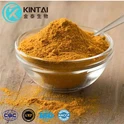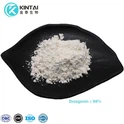


In the ever-evolving world of skincare, ferulic acid powder and hyaluronic acid powder have both gained widespread popularity for their remarkable skin benefits, but can they be combined for even better results? That is the burning question on the minds of beauty enthusiasts everywhere. In this article, Kentaibio will explore the unique qualities of ferulic acid and hyaluronic acid, discuss the possible benefits of combining them, and ultimately determine why ferulic acid reigns supreme in the battle for flawless skin.
What Is Ferulic Acid?
Ferulic Acid is a plant-derived antioxidant found in the seeds and leaves of various fruits and vegetables, such as apples, rice bran, and oats. As a phenolic compound, it works by neutralizing free radicals-unstable molecules generated by UV rays, pollution, and stress-which can lead to premature aging, pigmentation, and skin barrier breakdown.
In its powder form, Ferulic Acid is favored by cosmetic manufacturers for its:
- High purity
- Long shelf life
- Excellent synergy with other antioxidants
- Versatility in formulation


What Is Hyaluronic Acid?
Hyaluronic Acid (HA), in contrast, is a naturally occurring sugar molecule found in our skin, eyes, and joints. It is famous for its ability to hold up to 1,000 times its weight in water, making it a go-to for hydration, plumping, and smoothing the skin. Unlike Ferulic Acid, which is an antioxidant, Hyaluronic Acid is a humectant that attracts and retains moisture.

Hyaluronic Acid vs. Ferulic Acid
Choosing between Ferulic Acid and Hyaluronic Acid can be challenging without understanding their unique benefits. Hyaluronic Acid is well-known for its hydrating capabilities and is naturally found in the body, making it a popular skincare ingredient. However, Ferulic Acid-especially in its high-purity powder form-delivers far-reaching benefits that go beyond basic hydration.
Ferulic Acid acts as a powerful antioxidant, fighting off skin-damaging free radicals caused by sun exposure, pollution, and stress. Unlike Hyaluronic Acid, which primarily retains moisture, Ferulic Acid enhances the stability and potency of other vital ingredients like Vitamin C and E, and boosts collagen protection, resulting in longer-term anti-aging effects.
More than just a supportive ingredient, Ferulic Acid powder is a strategic asset in any advanced skincare formulation. It not only protects the skin at a cellular level but also improves the shelf life and performance of antioxidant serums. While Hyaluronic Acid is effective for moisturizing, Ferulic Acid plays a proactive role in defense, correction, and prevention-making it a more valuable ingredient for skincare brands aiming to deliver high-performance results.

Can You Mix Ferulic Acid and Hyaluronic Acid?
Absolutely. These two ingredients do not counteract each other. In fact, they complement one another beautifully:
- Ferulic Acid protects your skin from oxidative stress and boosts the efficacy of Vitamin C and E.
- Hyaluronic Acid hydrates the skin, making it more resilient and better able to absorb active ingredients.
- When combined, Ferulic Acid and Hyaluronic Acid create a two-pronged defense and repair strategy: one protects against environmental stressors, and the other maintains internal hydration. This synergy is especially powerful in anti-aging and brightening serums.

Do They Work Well Together in Formulations?
From a formulation science perspective, Ferulic Acid and Hyaluronic Acid are highly compatible. Many advanced serums on the market include both ingredients to:
- Extend antioxidant protection
- Prevent dehydration during environmental exposure
- Improve texture, firmness, and elasticity over time
In particular, Ferulic Acid powder is often added during the cooling phase of serum production to retain its potency. It dissolves well in ethanol or propylene glycol and stabilizes Vitamin C serums, while Hyaluronic Acid (usually in solution form) is blended into the water phase for skin-plumping benefits.

Source: Pureclinica.com
Which Ingredient Is Better?
It's not a matter of which is better but rather what your skin needs:
|
Feature |
Ferulic Acid |
Hyaluronic Acid |
|
Function |
Antioxidant |
Humectant (hydration) |
|
Role in Skincare |
Prevents oxidative stress |
Replenishes moisture |
|
Best for |
Anti-aging, brightening, protection |
Dry, dehydrated, sensitive skin |
|
Form |
Powder (for formulation) |
Serum, gel, or solution |
|
Works with |
Vitamin C, E, phloretin |
All skincare ingredients |
|
Irritation Risk |
Low (in right doses) |
Very low |


Key Benefits of Ferulic Acid Powder in Skincare
Boosts Antioxidant Stability: Helps stabilize Vitamin C and E, prolonging shelf life.
- Photoprotection: Reduces UV-induced oxidative damage.
- Anti-inflammatory: Calms skin inflammation and redness.
- Brightens Skin: Inhibits melanin production for a more even tone.
- Supports Collagen: Minimizes wrinkles and improves skin firmness.

Benefits of Combining Ferulic Acid and Hyaluronic Acid
If you are decided to mix two these two active ingredients, via our customized skincare system device or simply buy buying two separate serums, these are the benefits you can expect to get:
- Enhanced antioxidant protection: When combined, they work synergistically to provide enhanced protection against free radicals, which can damage the skin and accelerate aging. This combination helps neutralize harmful free radicals and reduces oxidative stress. This is also useful to protect the skin from pollution.
- Increased collagen production: Ferulic acid stimulates the production of collagen, a protein that gives skin its elasticity and firmness. Hyaluronic acid, on the other hand, helps retain moisture and improves hydration. When used together, they promote collagen synthesis and help maintain a healthy moisture balance in the skin.
- Reduced signs of aging: The combination of ferulic acid and hyaluronic acid can help reduce the appearance of fine lines, wrinkles, and age spots. Ferulic acid protects against UV damage and environmental stressors, while hyaluronic acid hydrates and plumps the skin. This combination helps improve skin texture, smoothness, and overall youthfulness.
- Improved skin hydration: Hyaluronic acid is known for its exceptional ability to retain moisture. It can hold up to 1000 times its weight in water, making it highly effective in moisturizing the skin. When used alongside ferulic acid, hyaluronic acid helps lock in moisture and prevents transepidermal water loss, resulting in improved hydration and a more supple complexion.
- Brighter and more even skin tone: Both ferulic acid and hyaluronic acid contribute to a brighter and more even skin tone. Ferulic acid helps inhibit the production of melanin, the pigment responsible for dark spots and hyperpigmentation. Hyaluronic acid, with its hydrating properties, promotes skin renewal and reduces the appearance of dullness, resulting in a more radiant complexion.
- Enhanced product absorption: Combining ferulic acid and hyaluronic acid can enhance the absorption of other ingredients. Ferulic acid acts as a penetration enhancer, allowing other active ingredients to penetrate deeper into the skin. Hyaluronic acid helps attract and retain moisture, ensuring that the skin is receptive to the many benefits of other products applied subsequently.
- Soothing and calming effects: Hyaluronic acid has soothing properties that help calm and nourish the skin. It can alleviate redness, irritation, and inflammation. When combined with ferulic acid, these effects are especially useful, making the combination particularly beneficial for those with sensitive or reactive skin.
Overall, the combination of ferulic acid and hyaluronic acid offers a powerful skincare duo that provides antioxidant protection, boosts collagen production, effectively improves hydration, reduces signs of aging, enhances skin tone, aids product absorption, and offers soothing effects. Incorporating these ingredients into your skincare routine can help promote healthy, radiant, and youthful-looking skin.

When and How to Use Them Together
To get the most out of both ingredients:
- Use a serum that combines Ferulic Acid and Hyaluronic Acid in the morning. The antioxidant benefits are best when used before sun exposure.
- Layer correctly: Apply Ferulic Acid (or antioxidant serum) first, followed by a Hyaluronic Acid serum or moisturizer.
- Follow with sunscreen to complete your morning routine.

Why Choose KINTAI Biotech's Ferulic Acid Powder?
As a manufacturer or formulator, choosing the right raw materials is crucial. KINTAI Biotech provides high-purity Ferulic Acid powder that is:
- 98% pure with validated stability
- Ideal for antioxidant serums and creams
- Easy to integrate into formulations
- Globally compliant with COA, MSDS, TDS available
Whether you're building the next Phloretin CF-style serum or innovating a custom antioxidant-hydration hybrid, our Ferulic Acid powder gives you the edge in efficacy, stability, and safety.

Final Thoughts
While Hyaluronic Acid hydrates and plumps the skin, Ferulic Acid offers antioxidant protection, UV defense, and synergistic support for other activities. When used together, they do not compete - they collaborate to deliver healthier, younger-looking skin.
For skincare brands, using Ferulic Acid powder and Hyaluronic Acid powder is a strategic move toward high-performance formulations that consumers trust. Consider it a foundation ingredient, not just a supplement. Contact KINTAI Biotech today for premium-grade Ferulic Acid powder and Hyaluronic Acid perfect for advanced skincare applications. Email: sales@kintaibio.com