

Yeast extract and nutritional yeast both originate from Saccharomyces cerevisiae, but they are not the same product. While both are yeast derivatives and share characteristics such as natural origin, veganity, and rich nutritional content, they differ significantly in production processes, composition, flavor characteristics, nutritional value, and applications.

Understanding these differences helps in choosing the most suitable product for your specific needs. Nutritional yeast is primarily used in nutritional foods and as a home seasoning, while yeast extract is more widely used in the food industry as a natural umami ingredient and flavor enhancer, finding broad applications in low-sodium formulations, plant-based foods, and functional foods. KINTAIBIO® is a professional yeast extract supplier; you can contact sales@kintaibio.com for product information on yeast extract powder.
What is Yeast Extract?
Yeast extract is a natural yeast derivative obtained through modern biotechnology. Its production typically uses brewer's yeast or beer yeast as raw materials. Through autolysis or enzymatic hydrolysis, the yeast cell walls are broken down, and intracellular proteins are decomposed by natural enzymes into amino acids, small peptides, nucleotides, and other soluble nutrients. The cell walls are then removed, and the extract is separated, filtered, concentrated, and spray-dried to produce yeast extract powder.
Because the cell walls are removed, yeast extract mainly retains the active contents of the yeast cells, thus possessing a high content of umami substances and good water solubility. The product is naturally rich in free amino acids, flavor nucleotides (5'-IMP, 5'-GMP), small peptides, B vitamins, and various minerals, and can be widely used in the food, condiment, fermentation medium, and functional food industries.

In addition to its flavor-enhancing effects, yeast extract also contains certain amounts of antioxidants and trace elements, such as chromium, zinc, copper, and manganese. Chromium participates in glucose metabolism and plays a role in maintaining normal blood sugar levels. Some yeast-derived bioactive peptides and polysaccharides have also been studied for use in functional foods and skin care, exhibiting potential for moisturizing, soothing, and antioxidant effects. It's important to note that while common yeast extract is rich in various B vitamins, it is not typically a significant source of vitamin B12 unless the product is specifically fortified.
What is Nutritional Yeast?
Nutritional yeast, also derived from brewer's yeast, undergoes a completely different production process compared to yeast extracts. In its production, the yeast is first cultured and multiplied in a molasses (sugarcane or beet molasses) medium. It is then harvested, washed, pasteurized, and dried to completely inactivate the yeast, preventing further fermentation like bread yeast.
Nutritional yeast retains its complete yeast cell structure and is typically produced as yellow flakes, granules, or powder. It has a natural nutty aroma and a savory, cheese-like flavor, making it popular with vegetarians and plant-based diet consumers. It is frequently used in salads, pasta, popcorn, soups, and plant-based cheeses.

From a nutritional perspective, nutritional yeast is a high-quality source of plant protein, containing all nine essential amino acids, making it a complete protein. It also retains abundant dietary fiber, which helps maintain gut health and increases satiety. Many commercially available nutritional yeast products are fortified with vitamin B12, making it an important source of B12 for vegetarians. Furthermore, it is rich in folic acid and various B vitamins, which are beneficial for normal energy metabolism and nervous system function.
Yeast Extract vs Nutritional Yeast: Production Process
The biggest difference between yeast extract and nutritional yeast lies in their production processes.
- Nutritional Yeast: Utilizes a whole yeast culture process. After fermentation, it only undergoes pasteurization and drying. Throughout the process, the yeast cell structure remains intact, resulting in a final product of complete, inactivated yeast cells.
- Yeast Extract: Requires further cell wall disruption and autolysis. Using the yeast's own endogenous enzymes, proteins and nucleic acids are degraded into soluble amino acids, peptides, and nucleotides. Cell walls are then removed through centrifugation and filtration, retaining only the cellular contents with nutritional and flavor value.
Therefore, from a product perspective, nutritional yeast is a type of completely inactivated yeast, while Yeast Extract Powder is a concentrated extract of yeast cell contents. This difference in processing determines the differences in their nutritional composition, flavor intensity, and applications.
Yeast Extract vs Nutritional Yeast: Flavor Characteristics and uses
Due to their different compositions, the two exhibit significant differences in flavor.
- Nutritional yeast: It has a mild flavor with pronounced nutty and cheese notes, making it more suitable for direct consumption as an everyday food. It is often used in plant-based diets as a substitute for Parmesan cheese, providing natural umami and nutritional supplementation to dishes, thus primarily targeting end consumers.
- Yeast extract: It possesses a richer umami and broth-like flavor, primarily derived from the synergistic effect between glutamic acid, aspartic acid, and 5'-flavor nucleotides. As a natural flavoring ingredient, it is widely used in convenience foods, seasonings, soup bases, sauces, meat products, and frozen foods.

In recent years, with the global trend towards salt reduction and clean labeling, the application of yeast extract in the food industry has been continuously expanding. Numerous studies have shown that, under appropriate formulation conditions, yeast extract powder can enhance the overall umami and taste of food, and can maintain good flavor acceptance even with reduced salt content. Therefore, it has become an important functional ingredient in natural monosodium glutamate (MSG) alternatives and low-sodium food formulations.
Yeast Extract vs Nutritional Yeast: How to Choose?
- Choose Nutritional Yeast: If the goal is to supplement protein, dietary fiber, and fortify with vitamin B12, and to consume it directly as a daily health food, nutritional yeast is generally a more suitable choice, especially for vegetarians and those on plant-based diets.
- Choose Yeast Extract: If the goal is to enhance the umami flavor of food, improve overall flavor, develop low-sodium formulas, or use it as a natural functional ingredient in the food industry, then yeast extract is more advantageous. Its high content of free amino acids and flavor nucleotides provides a richer, more natural, and longer-lasting umami flavor, and is therefore widely used in modern food manufacturing.
Simply put, nutritional yeast leans more towards "nutritional foods," while yeast extract leans more towards "natural food ingredients." Neither is inherently superior; rather, each leverages its strengths to meet different application needs.
Where to Buy Yeast Extract Powder?
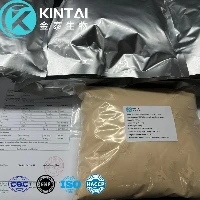
As a professional yeast extract manufacturer, KINTAIBIO® uses high-quality brewer's yeast as raw material, combining advanced autolysis and enzymatic hydrolysis technologies to produce high-quality yeast extract powder. Our product specifications cover 10%, 50%, 70%, 85%, and 90% Yeast Beta Glucan; 99% Flavored Autolyzed Yeast. These powders feature excellent water solubility, stable quality, and high batch-to-batch consistency, making them widely applicable in condiments, plant-based foods, meat products, and food processing.

The company has established a comprehensive quality management system, strictly controlling raw material procurement, production processing, and finished product testing. We can provide various product specifications along with complete technical documentation such as COA, MSDS, and third-party testing reports. Furthermore, KINTAIBIO® can provide customized product development and technical support based on customer formulation needs, offering stable and reliable yeast extract raw materials to global food companies, brand owners, and ingredient purchasers.Please contact sales@kintaibio.com for more product information.