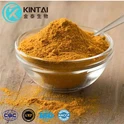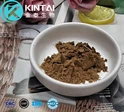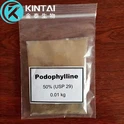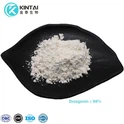


Plantain leaf extract has become an increasingly popular herbal remedy used around the world. Understanding the science behind this traditional medicine can help us better grasp its health-promoting potential. In this blog post, we'll explore what plantain leaf extract is, its nutritional profile, the research behind its key benefits, how to use it safely and effectively, and any potential side effects.
What is Plantain Leaf Extract?
Plantain leaf extract is a concentrated form of the leaves from the plantain plant, a type of flowering plant from the Plantaginaceae family. Various cultures have traditionally used plantain leaves to make herbal teas, tinctures, creams, and other remedies. Modern herbal supplements offer a way to harness the key nutrients and plant compounds found in plantain leaves through purified, easy-to-consume extracts.
Nutritional Profile of Plantain Leaf Extract
The beneficial phytochemicals in plantain leaf extract include flavonoids, phenolic acids, iridoid glycosides like aucubin, and asperuloside. These plant-based nutrients give plantain leaves their therapeutic potential as an anti-inflammatory, antioxidant digestive aid. The extract form concentrates these bioactive compounds.
Health Benefits of Plantain Leaf Extract
- Respiratory Health
Plantain leaf preparations have a long history of traditional use for supporting respiratory health. The anti-inflammatory compounds they contain may help explain their beneficial effects. For example, one clinical trial found that an herbal syrup with plantain leaf extract reduced cough severity and supported recovery in children with acute bronchitis (Sutiak et al., 1984). The antibacterial and mucus-dissolving properties of plantain extract also lend it credibility as a natural cough remedy.
- Digestive Health
Plantain extract may benefit digestion in several ways. Test-tube research indicates it has prebiotic potential to support healthy gut bacteria. Plantain leaf's high fiber content can serve as food for beneficial probiotic microorganisms (Gladine et al., 2007). Compounds like aucubin also stimulate the secretion of gastric juices to aid digestion (Chiang et al., 2000). This may help explain its traditional use against diarrhea. An animal study also showed plantain extract delayed stomach emptying to curb appetite and control blood sugar (Ojo et al., 2013).
- Skin Health
With its antimicrobial and tissue-healing properties, plantain leaf preparations have topical benefits too. Plantain extract ointments may help prevent wound infections, accelerate healing of burns, abrasions, and skin ulcers, and soothe inflammatory skin conditions (Gonçalves & Romano, 2016). One study on rat models found a plantain leaf decoction decreased inflammation and facilitated faster wound closure compared to controls (Shivhare et al., 2010).
Other Uses of Plantain Leaf Extract
- Anti-inflammatory Properties
Compounds like aucubin have been shown to inhibit pro-inflammatory mediators like NF-κB (Jiang et al., 2016). This central regulator of inflammation underlies chronic inflammatory disorders when overactivated. By suppressing this master switch, plantain extract could help prevent or slow the progression of inflammatory diseases.
- Immune System Support
Aside from its antioxidant, anti-inflammatory aid, Plantain leaf preparations also have potential as immune modulators. Animal research indicates specific carbohydrates in Plantain leaves stimulate macrophage immune cells for enhanced pathogen clearance and balanced immune function (Gladine et al., 2007). More studies are warranted to validate its immune-boosting potential.
How to Choose and Use Plantain Leaf Extract
- Selecting Quality Plantain Leaf Extract
When purchasing plantain leaf extract, opt for brands that disclose their standardization levels for bioactive compounds like aucubin or list the extract ratio. Reputable brands with cGMP certification generally offer more reliable quality. Talk to your doctor before taking plantain extract if you take any medications, are pregnant or breastfeeding.
- Proper Dosage and Usage
Most supplements provide around 250-500 mg of plantain leaf extract. Herbalists may use up to 2000 mg daily in divided doses. The extract can be taken short-term to ease digestive or respiratory irritation or long-term at lower doses to reduce inflammation. Tea, tincture, syrup, and topical preparations offer additional administration options tailored to different therapeutic uses.
Potential Side Effects and Allergies
- Allergic Reactions
Rare cases of plantain extract allergy have been reported, manifesting as itching, hives, or puffy skin (Camarasa & Serra-Baldrich, 1992). Discontinue use if you notice any concerning symptoms and avoid plantain products if you have a confirmed allergy. Talk to your doctor about alternative anti-inflammatory supplements or herbs better suited to your needs.
- Interactions with Medications
Due to its effects on gastric emptying and fluid secretions, plantain extract could theoretically interact with certain medications. Plantain may also have additive effects when combined with other herbs or drugs that affect inflammation or immunity. Check with your pharmacist or doctor about potential interactions with your current prescriptions like diuretics, anti-ulcer meds, immunosuppressants, etc. They can help decide whether plantain supplements are appropriate in your case.
Conclusion
With its long traditional use as an herbal panacea, science is now confirming many of plantain leaf's purported health benefits. From respiratory and digestive soothers to skin healing and reducing systemic inflammation, plantain shows promise as a versatile, natural therapeutic. But as with any supplement, proper sourcing, dosing, and contraindication precautions remain vital for safe, effective use. Always consult your healthcare provider before beginning plantain leaf extract or any new herbal products.
Our Plantain Leaf Extract has received unanimous praise from customers. If you would like to know more about this product, please feel free to contact Sales@Kintaibio.Com.
Welcome To Send Us Emails If You Are Interested In Plantain Leaf Extract At Sales@Kintaibio.Com.
References
Camarasa, J. G., & Serra-Baldrich, E. (1992). Allergic contact dermatitis from Plantago major. Contact Dermatitis, 26(2), 114–115.
Chiang, L. C., Chiang, W., Chang, M. Y., Ng, L. T., & Lin, C. C. (2002). Antiviral activity of Plantago major extracts and related compounds in vitro. Antiviral Research, 55(1), 53–62.
Gladine, C., Morand, C., Rock, E., Bauchart, D., & Durand, D. (2007). Plant extracts rich in polyphenols (PERP) are efficient antioxidants to prevent lipoperoxidation in plasma lipids from animals fed n-3 PUFA supplemented diets. Animal Feed Science and Technology, 136(3-4), 281–296.
Gonçalves, S., & Romano, A. (2016). The medicinal potential of plants from the genus Plantago (Plantaginaceae). Industrial Crops and Products, 83, 213–226.
Jiang, N., Tan, N. S., Ho, B., & Ding, J. L. (2016). Aucubin Regulates the MAPK Signaling Pathway and Counteracts LPS-Induced Inflammatory Responses in RAW 264.7 Cells. Phytotherapy Research, 30(8), 1356–1362.
Ojo, O. O., Nadro, M. S., & Tella, I. O. (2013). Protection of rats by extracts of some common Nigerian trees against acetaminophen-induced hepatotoxicity. African Journal of Biotechnology, 5(9), 755-760.
Shivhare, U. D., Singour, P. K., Patil, U. K., & Pawar, R. S. (2010). Wound healing potential of methanol extract of Plantago lanceolata L. leaves on wistar albino rats. Journal of Ethnopharmacology, 129(1), 105–110.
Sutiak, V., Beresova, C., Labanc, P., Košt'álová, D., Benický, M., & Košt'álova, D. (1984). Use of plantain (Plantago L.) extracts with pectin in acute bronchitis: A clinical study. Ceska a Slovenska Farmacie, 33(5), 193–201.