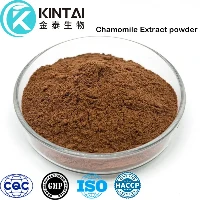


Tansy extract comes from the dried leaves and flowers of the tansy plant (Tanacetum vulgare). It has a long history of medicinal and culinary use dating back to ancient Greece. The perennial herb grows wild in many temperate regions around the world and has been used in traditional medical systems for centuries.
Medicinal Uses of Tansy Extract
1. Treatment of Digestive Disorders
Tansy extract has traditionally been used to help relieve a variety of digestive issues including indigestion, bloating, loss of appetite, intestinal parasites, gastritis, ulcers, diarrhea and others. Some of the key mechanisms behind these digestive benefits are outlined below:
- Relieving Indigestion and Bloating
The bitter components in tansy, including sesquiterpene lactones and other phytochemicals, are thought to help stimulate digestive juices and bile production. This can aid digestion and reduce gas and bloating when taken before meals in small amounts. The bitters mildly promote secretion of gastric juices to facilitate digestion.
- Eliminating Intestinal Parasites
Historically, tansy was used as an vermicide to eradicate worm infestations in the intestines. Early research indicates compounds like artemisinin show anti-parasitic effects against certain kinds of worms or protozoa. More studies are needed to confirm efficacy as a vermicide.
- Soothing Ulcers and Gastritis
In folk medicine, tansy tea has been used to soothe ulcers and relieve gastritis likely due to anti-inflammatory effects. Some research suggests tansy suppresses ulcer-causing H. pylori bacteria in the gut which could prevent ulcers. More evidence is required.
- Stimulating Appetite
Historically, tansy tea has been used to help improve appetite and digestive function in those recovering from illness. By promoting release of gastric juices, the bitters may mildly stimulate appetite in cases of anorexia, malnutrition, or in elderly patients who have poor appetites.
- Combating Diarrheal Diseases
Preliminary studies indicate tansy exhibits antimicrobial properties that may help fight infectious diarrhea from bacteria like E. coli or protozoa like giardia lamblia which cause acute diarrheal illness. Clinical trials with pure compouds from tansy would help verify efficacy.
2. Management of Menstrual Issues
In addition to helping digestive troubles, tansy extract has also been used traditionally to help manage certain menstrual issues like dysmenorrhea and irregular menses likely due to promoting hormonal balance when used consistently.
- Alleviating Menstrual Cramps
Tansy has antispasmodic and anti-inflammatory effects that may relieve uterine cramping and pain associated with periods when used internally for several months. The relaxant effects relieve muscle contractions.
- Regulating Irregular Periods
Some traditional medicine systems have utilized tansy to help normalize irregular or absent menstrual cycles and promote more regular menstruation likely by supporting hormonal balance in some cases of amenorrhea or oligomenorrhea.
- Easing PMS Symptoms
Anecdotal evidence shows that taking tansy extract daily helps minimize mood swings, anxiety, food cravings, fatigue and other troublesome PMS symptoms through hormonal modulation. Controlled studies would help confirm effects.
3. Potential Anti-inflammatory Properties
In addition to women's health and digestive uses, preliminary modern research also shows that tansy contains anti-inflammatory abilities which could benefit inflammatory conditions like arthritis, asthma, inflammatory skin diseases and colitis.
- Easing Joint Pain and Arthritis
Early cell studies demonstrate tansy extracts exhibit significant anti-inflammatory properties comparable to NSAID drugs like ibuprofen and diclofenac, indicating it can suppress chemicals that trigger pain and swelling. This suggests it may potentially help relieve joint inflammation in arthritis.
- Supporting Asthma Management
Additional research finds tansy's flavonoids relax smooth muscle in airways which could support easier breathing in asthmatic bronchial spasms. More studies are required to analyze effects in humans with asthma.
- Improving Inflammatory Skin Diseases
Limited studies show tansy extracts helps decrease inflammation, redness and itching which could benefit certain inflammatory skin conditions like eczema, rashes or hives when applied topically. Further testing would confirm dermatological applications.
- Alleviating Inflammatory Bowel Disease
Some emerging evidence demonstrates tansy minimizes intestinal inflammation in colitis likely by inhibiting pro-inflammatory signals in the colon. If anti-inflammatory effects translate to humans, it may help inflammatory bowel disorders. Further controlled trials are required.
Cosmetic and Skincare Applications
In addition to internal medicinal uses, tansy extract and its essential oil have also been applied topically for various skin conditions as well as an insect repellent. Key cosmetic applications include:
1. Treating Skin Conditions
Tansy has an extensive history of topical use to help certain inflammatory skin ailments externally when used appropriately. Some key uses are outlined below:
- Combating Acne and Pimples
Modern research indicates tansy contains antibacterial agents like thujone and camphor that exhibit antimicrobial effects against P. acnes bacteria implicated in acne breakouts. Tansy's anti-inflammatory properties also help calm redness and swelling of blemishes and spots. Further studies could confirm benefits for acne.
- Relieving Eczema and Psoriasis
Eczema and psoriasis patients have reported decreased scaling, redness, and itchiness from rashes when using tansy-based creams and ointments. The anti-inflammatory effects likely calm irritation while antimicrobial properties reduce infections that can worsen flare ups. Larger scale studies are still needed.
- Soothing Skin Irritations
Anecdotal evidence shows that topically applying diluted tansy tea helps calm rashes, skin irritations like poison ivy or oak as well as aid healing of superficial wounds and insect bites when used carefully externally. More controlled research would validate traditional use.
- Skin Lightening and Complexion Improvement
Some natural skin care lines utilize tansy essential oils in creams or cleansers for its purported skin lightening and complexion enhancing effects. Research on pure compounds from tansy applied topically over time would substantiate skin brightening claims specifically.
2. Natural Insect Repellent
Historically, tansy was also extensively utilized as a natural insect repellent for its strong, some say unpleasant, herbal aroma. The chemical compounds responsible likely also exhibit insecticidal properties.
- Warding Off Mosquitoes and Biting Insects
Many past civilizations like the Greeks strewed tansy leaves around living areas or rubbed it on skin to repel mosquitoes, bed bugs, mites, flies and other biting insects for its strong volatile oils like thujone and camphor.
- Minimizing the Risk of Bug Bites
Modern research confirms tansy extracts demonstrate contact insecticidal effects against certain species, indicating wiping skin with diluted tansy tea may deter bites from mosquitoes and ticks in a similar manner as DEET or other commercial insect repellents.
- Controlling Parasitic Worms and Mites in Livestock
Historically, tansy has been fed to farm animals to control intestinal worms, mites like scabies or lice and other parasites. Emerging research shows extracts do repel various arthropods of veterinary importance warranting further study as a botanical livestock dewormer or pesticide.
Culinary Uses, Flavoring and Attra-Flowers
In addition to diverse health applications, tansy extract is also used to add flavor to certain cuisines when used appropriately as an aromatic bitter herb or condiment. The bright yellow button-like flowers also add visual appeal. Details are outlined below:
1. Traditional Use in Cooking
All parts of tansy were used for centuries to flavor various foods like puddings, omelets, cakes, biscuits and more before the 19th century when it fell out of favor as a seasoning likely due to safety concerns. Today it remains an ingredient in certain traditional Easter cakes and specific regional dishes in Europe in moderation.
- Unique Culinary Bitters and Aromatic
When used judiciously in tiny amounts, tansy adds a pleasantly bitter, robust herbal flavor profile and aroma to both sweet and savory dishes ranging from egg dishes, seafoods, meats, biscuits, jams, desserts, teas and cocktails, similar to hops. Experienced chefs use it sparingly.
- Natural Food Coloring
In addition the unique bitter taste, tansy's vivid yellow button flowers and extracts also impart a bright golden hue to dishes, spirits and vinegar naturally without artificial dyes. The yellow represents sunshine evoking summer meadows.
- Ornamental Attra-Flower
Beyond adding visual beauty, flavor and bitter notes, tansy's pretty yellow blooms also serve as a beautiful garnish to cocktails, desserts, salads and charcuterie boards. The pop of color draws the eye while the unique aroma intrigues taste buds simultaneously.
2. Precautions and Safe Consumption
Despite a long history of traditional use, research shows the thujone and camphor content of tansy can be toxic in high uncontrolled doses, especially when taken regularly. As such, extreme caution is urged to avoid poisoning until more advanced pharmacokinetic and safety studies better delineate appropriate dosing guidelines especially during pregnancy.
Conclusion
In summary, tansy extract has an extensive history of traditional medicinal and culinary use spanning back to ancient Greece. Modern preliminary research is beginning to uncover key bioactive compounds that exhibit anti-inflammatory, antimicrobial, anti-parasitic, antispasmodic, digestive and hormonal modulating properties which could benefit diverse health conditions like arthritis, asthma, skin inflammations, menstrual issues, loss of appetite, worms, and digestive troubles when used judiciously. However significant safety concerns exist regarding liver toxicity or even death with improper use or excessive intake due to concentrated volatile constituents like thujone and camphor. As such extreme care should be taken to only utilize pure standardized tansy extracts at established safe doses under the guidance of trained herbalists or naturopaths. Further advanced clinical research is critically warranted to better characterize tansy pharmacology, efficacy and safety in humans to unlock its promising therapeutic potential. With prudence, this age-old medicinal plant shows intriguing promise as a botanical remedy.
Welcome To Send Us Emails If You Are Interested In Tansy Extract At Sales@Kintaibio.Com.
References
Shojaaddini et al. An Overview on Phytochemistry and Biological Activities of Tanacetum Species. Phytotherapy Research. 2022 Jan;36(1):29-65. doi: 10.1002/ptr.7045.
Miraj. A Review Study of Therapeutic Effects of Tanacetum Vulgare L. Der Pharmacia Lettre. 2016. 8(6):229-233.
Kordali et al. Chemical Composition and Antifungal Activity of Tanacetum vulgare L. Essential Oil and Various Extracts. Industrial Crops and Products. 2015. 70:1-7.