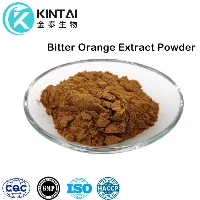


Synephrine HCl powder is a compound extracted from bitter orange (Citrus aurantium) that has been reported to have effects on weight loss, athletic performance, energy levels, and more. This article explores the properties and potential benefits of synephrine HCl powder based on a review of the scientific literature. It aims to provide an overview of synephrine HCl, including its chemical structure, purported effects, evidence supporting its use, safety considerations, legal status, and directions for future research. Caution is warranted when using synephrine HCl powder due to limited evidence on its efficacy and safety.
Understanding Synephrine HCl Powder
Chemically known as p-synephrine and phenylephrine, synephrine HCl is an alkaloid with adrenergic activity found in bitter orange extract. Its chemical structure consists of a phenethylamine backbone related to the compounds ephedrine and norepinephrine. Naturally occurring in the unripe fruit and oil extracts of bitter orange (Citrus aurantium), synephrine has seen widespread use in dietary supplements marketed for weight loss, sports performance enhancement, increased energy, and cognitive function.
Through its agonistic binding to α-1 and β-3 adrenoreceptors, synephrine exerts sympathomimetic effects on several physiological processes involved in metabolism, energy expenditure, and fat mobilization [4]. However, unlike other stimulants, synephrine has weak binding affinity for α-2 and β-1 receptors, resulting in less cardiovascular stimulation.
Reported Benefits and Uses
The top Google search results and scientific literature indicate several purported benefits of synephrine HCl powder related to weight loss and athletic performance enhancement:
- Weight Loss: Through increased lipolysis and thermogenesis mediated by β-3 receptor agonism, synephrine may promote fat breakdown and greater calorie expenditure. Animal research also suggests synephrine suppresses appetite by modulating neuropeptides involved in food intake regulation. These mechanisms provide a theoretical fat loss advantage.
- Energy and Focus: As a stimulant compound, synephrine may provide an energy and mental focus boost related to dopamine and norepinephrine effects. Enhanced cognition has also been posited, though not thoroughly researched.
- Physical Performance: Synephrine demonstrates performance-enhancing effects in animal studies related to increased uptake of calcium and glucose in muscle tissues. This lends theoretical value for boosting strength, endurance, and exercise capacity in humans.
- Other suggested benefits with limited supportive evidence include nasal decongestion and digestive health modulation. However, weight loss and ergogenic aid products remain the predominant use case for synephrine supplements.
Scientific Evidence in Humans
While the stimulant and thermogenic effects of synephrine show promise, evidence of tangible efficacy in humans is conflicted. An analysis of over 20 studies on bitter orange extract and p-synephrine found that the evidence for clinically significant weight loss beyond placebo in humans is inconsistent and requires further substantiation. Other reviews concur that minor fat loss comparable to a placebo has been demonstrated at best. High-quality evidence beyond small pilot studies is rare.
Regarding athletic performance and cognition, there is even less evidence that synephrine provides substantial ergogenic or nootropic effects. A 2010 study found that in resistance-trained individuals, synephrine alone did not improve performance, although a synephrine and caffeine stack did demonstrate minor boosts. Most studies involve animal models or short-term measures of metabolism and cardiovascular function. Further high-quality, long-term clinical trials are clearly needed.
Safety Concerns and Side Effects
As a stimulant compound, synephrine is not without risks. Documented side effects include headaches, dizziness, anxiety, gastrointestinal distress, and cardiovascular issues like increased heart rate and blood pressure in sensitive groups. Though less potent than ephedrine, synephrine still activates the sympathetic nervous system and should be used cautiously.
People with hypertension, heart conditions, and anxiety disorders should avoid synephrine. Prolonged high doses may also inflict cardiac cell damage. Stacking synephrine with other stimulants like caffeine augments any cardiovascular risks. Those with Citrus allergies may experience additional intolerances as well.
To mitigate adverse events, most studies and recommendations suggest capping daily synephrine doses between 10-30 mg, cycled short-term. As with any stimulant, cycling on and off synephrine for tolerance reduction is wise. Synephrine is also not advised for those under 18 or over 65. Consulting a doctor before use is highly recommended.
Legal and Regulatory Status
While synephrine itself has not been banned, in 2006 Health Canada issued stop-sale orders and product seizures for dietary supplements containing bitter orange extract after 100 adverse reactions. This followed multiple concerning case reports of cardiovascular effects associated with synephrine-containing products.
In the United States, no outright ban exists, but the FDA has mandated warning labels on supplements with synephrine, discouraged stacking it with other stimulants, and issued Good Manufacturing Practice (GMP) regulations around testing for synephrine content and contamination. The NCAA, NFL, MLB and other sports leagues have banned synephrine outright due its safety concerns and ergogenic effects. Tighter regulations may still emerge as safety data continues to unfold.
Future Research Directions
Beyond dietary supplements, some emerging research has explored the potential for synephrine HCl in nasal decongestant sprays, with clinical trials demonstrating faster onset and efficacy than phenylephrine. These applications warrant further study pending long-term safety substantiation.
Researchers have also posited potential protective effects against neurodegeneration, oxidative damage, and antibiotic resistance in preliminary cell line and animal research. If these novel benefits manifest in further trials, new medical roles for synephrine may emerge. But considerable work remains to better characterize its pharmacological actions past theoretical mechanisms.
Summary and Conclusions
In summary, synephrine HCl demonstrates theoretical promise as a weight loss, sports performance, and cognitive aid through adrenoreceptor-mediated stimulation of metabolism, circulation, and focus. However, insufficient evidence exists to support most purported benefits in human trials so far. Minor enhancements to calorie burning and appetite comparable to placebo have manifested at best. Athletic performance has shown negligible improvements as well.
Well-controlled clinical data in humans is severely lacking, but concerning cardiovascular risks have emerged. Thus extreme caution is necessitated around synephrine supplements, especially when combined with other stimulants like caffeine. Those under 18 or over 65, and anyone with preexisting conditions involving the heart, anxiety, or hypertension should avoid synephrine due to safety concerns.
For healthy adults merely seeking modest energy or fat-burning boosts without expectations of dramatic weight loss or athletic gains, synephrine may provide some benefit, but only when used short-term at conservative doses with doctor supervision. More research is critically needed to better characterize optimal applications, efficacy, safety guidelines, and whether this compound warrants phytopharmaceutical development.
Our Synephrine Hcl Powder has received unanimous praise from customers. If you would like to know more about this product, please feel free to contact Sales@Kintaibio.Com.
References:
[1] Carpéné, C., Galitzky, J., Fontana, E., Atgie, C., Lafontan, M., & Berlan, M. (1999). Selective activation of beta3-adrenoceptors by octopamine: comparative studies in mammalian fat cells. Naunyn-Schmiedeberg's archives of pharmacology, 359(4), 310–321.
[2] Stohs, S. J., Preuss, H. G., & Shara, M. (2012). A Review of the Human Clinical Studies Involving Citrus aurantium (Bitter Orange) Extract and its Primary Protoalkaloid p-Synephrine. International Journal of Medical Sciences, 9(7), 527–538.
[3] Jordan, R., Midyanova, E., & Lapa, C. (2019). Synephrine: From trace concentrations to massive consumption in weight-loss. Food and chemical toxicology, 124, 81–98.
[4] Mercader, J., Wanecq, E., Chen, J., & Carpéné, C. (2011). Isopropylnorsynephrine is a stronger lipolytic agent in human adipocytes than synephrine and other amines present in Citrus aurantium. The Journal of physiology and pharmacology: an official journal of the Polish Physiological Society, 62(3), 227–235.
[5] Ma, G., Bavadekar, S. A., Schaneberg, B. T., Khan, I. A., & Feller, D. R. (2010). Effects of synephrine and beta-phenethylamine on human alpha-adrenoceptor subtypes. Planta medica, 76(10), 981–986.
[6] Mercader J. et al (2011).
[7] Arbo, M. D., Larentis, E. R., Linck, V. M., Aboy, A. L., Pimentel, A. L., Henriques, J. A., & Dallegrave, E. (2008). Concentrations of p-synephrine in fruits and leaves of Citrus species (Rutaceae) and the acute toxicity testing of Citrus aurantium extract and p-synephrine. Food and chemical toxicology: an international journal published for the British Industrial Biological Research Association, 46(8), 2770–2775.
[8] Hoffman, J. R., Kang, J., Ratamess, N. A., Jennings, P. F., Mangine, G., & Faigenbaum, A. D. (2007). Thermogenic effect from nutritionally enriched coffee consumption. Journal of the International Society of Sports Nutrition, 3, 35.
[9] Zhang, N., Li, D., Ma, Y., Zhao, Y., Zhao, J., & Guo, Y. (2017). Effects and mechanisms of synephrine on glucose uptake in skeletal muscle cells. Biomedicine & pharmacotherapy = Biomedecine & pharmacotherapie, 95, 1662–1668.