

The Aconitum genus is a group of plants, many of which are also known as Monkshood or Wolf's Bane. These plants contain natural toxins in their natural state and are therefore not inherently safe. However, in different health traditions, they have been used in various contexts using specific methods.

This article aims to compare two distinct species of Aconitum: Aconitum napellus and Aconitum kusnezoffii. These two species are used in entirely different health systems: Aconitum napellus is primarily used in highly diluted homeopathic remedies, while Aconitum kusnezoffii is commonly found in professionally processed, detoxified traditional herbal extracts, such as those used in Traditional Chinese Medicine (TCM). Through this comparison, we will explore their differences in origin, application, and safety.
Safety Warning: Unprocessed Aconitum plants are highly toxic and ingestion can lead to severe poisoning or even death. This article discusses only two specific commercially prepared forms: (1) highly diluted homeopathic remedies and (2) professionally processed, detoxified traditional herbal extracts. Do not ingest wild or unprocessed Aconitum plants and always use related products under professional guidance.
Aconitum Napellus (Monkshood) in Homeopathy
1.1 What is Aconitum Napellus 30c?
Aconitum Napellus 30c is a homeopathic remedy derived from the plant Aconitum napellus.
In the homeopathic system, "30c" is a standard potency designation. It represents a specific preparation process: one part of the original substance is mixed with 99 parts of a diluent (such as water or alcohol) and shaken vigorously. This process, repeated 30 times, is called 1c. This gradual dilution and shaking results in a final product in which the original Aconitum napellus molecules are likely undetectable. This is the core principle of homeopathy: "microdose."

1.2 Traditional Homeopathic Uses of Aconitum Napellus 30c
In traditional homeopathy theory, the core indication for Aconitum napellus is acute conditions with sudden and severe onset. The key triggers are summarized in homeopathic materia medica as "shock, fright, and exposure to cold, dry wind."
The following are some common and specific applications found in homeopathic literature, described based on its traditional theoretical framework:
Sudden onset of high fever: This is one of the most classic indications for Aconitum napellus. It is characterized by a sudden onset of fever, usually occurring during the day and developing into a high fever at night. Patients typically have dry, hot skin, do not sweat despite the high fever, and experience significant thirst and a desire for cold drinks.
Initial stages of acute respiratory infections: Used for colds or coughs that suddenly begin after exposure to cold, dry wind. The cough is characterized by a rapid, dry, and hoarse sound, similar to a croupy cough. Patients may experience a dry, itchy, or sore throat.
Acute neurological and emotional symptoms: Used to manage intense emotional and physical reactions triggered by sudden shock or fear (such as accidents or bad news). Symptoms may include:
- Intense anxiety and panic, even accompanied by fear of death.
- Physical restlessness and inability to calm down.
- Tachycardia, feeling the heart pounding.
Acute pain: Applicable to sudden, severe, and unbearable neuropathic pain, such as certain types of neuralgia or headaches. Patients typically describe the pain as accompanied by intense anxiety and agitation.
Aconitum Kusnezoffii in Traditional Chinese Medicine (TCM)
Our product, Aconitum Root Aconite Extract, uses the core herb, Aconitum kusnezoffii. In traditional Chinese medicine, this is an herb that must undergo strict processing before it can be used.

Safety Notice: The Aconitum kusnezoffii discussed in this section specifically refers to the herbal raw material processed using traditional Pao Zhi (processing) techniques to reduce its inherent toxicity. The use of wild or unprocessed *Aconitum* plants is strictly prohibited.
What is Aconitum Kusnezoffii?
Aconitum kusnezoffii is a species of plant in the genus *Aconitum*, and its processed root is a raw material used in traditional Chinese medicine.
In Chinese medicine, depending on the specific plant source and processing specifications, it is called Cao Wu or Chuan Wu. These names specifically refer to the processed herbal form prepared for use in prescriptions, not to the wild plant itself.
The Critical Role of Processing (Pao Zhi)
Unlike homeopathy, which eliminates toxicity through high dilution, traditional Chinese medicine utilizes the physical materials of herbs themselves. Therefore, the key to reducing their inherent toxicity lies in an indispensable physical processing step-Pao Zhi.
Pao Zhi is a unique process in the preparation of Chinese medicine, typically involving soaking, steaming, processing with specific excipients (such as ginger and licorice), and drying. For herbs like Aconitum kusnezoffii, the goal of Pao Zhi is to strategically reduce toxicity and modify/enhance therapeutic properties. This process is achieved through the hydrolysis and transformation of its original highly toxic diester alkaloids (such as aconitine), converting them into derivatives with significantly lower toxicity. Only Cao Wu or Chuan Wu that have undergone standardized Pao Zhi processing can be used in clinical formulations.

Traditional TCM Uses of Processed A. Kusnezoffii
In traditional Chinese medicine, processed Aconitum kusnezoffii is classified as a potent, pungent, and warming herb. Its main functions are "dispelling wind-dampness" and "warming the channels."
The following are its traditional applications, primarily for various problems diagnosed as "cold" patterns in traditional Chinese medicine: For chronic pain, especially joint problems aggravated by cold: This is its core use. It is used to treat chronic rheumatoid arthritis, joint pain, and lower back and knee pain caused by "wind-cold-dampness" obstructing the meridians. Typical symptoms include pain, heaviness, and numbness, with symptoms significantly worsening in cold and damp weather and relieved by warmth.
It is used for acute pain caused by local exposure to cold: for example, for cold stomach pain and abdominal pain caused by cold, or to relieve cold hands and feet caused by poor blood circulation (called "cold congealing in the channels" in traditional Chinese medicine).
Different Preparation Processes, Different Applications
Through the above comparison, we can conclude that Aconitum napellus (used in homeopathy) and Aconitum kusnezoffii (used in TCM) are two products based on completely different philosophies and processing systems, and are absolutely not interchangeable.
The key differences can be summarized as follows:
Aconitum napellus 30c is a homeopathic remedy, prepared through an extremely dilution process, traditionally used to treat acute, sudden symptoms, especially those related to fright or cold.
Aconitum kusnezoffii, processed using the Pao Zhi method, is a traditional herbal extract. It undergoes physical processing to reduce toxicity while retaining the herbal components, and in TCM theory, it is used to treat chronic "cold" patterns, such as joint discomfort that worsens with cold.
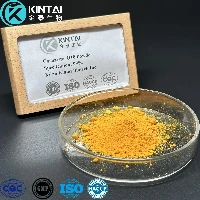
For researchers looking to understand the traditional health applications of the Aconitum family beyond homeopathy, professionally prepared Aconitum Root Aconite aconitum kusnezoffii Extract represents its form used in Traditional Chinese Medicine (TCM).
Click here to learn more about our Aconitum Kusnezoffii Extract and its traditional background. if you want to learn more info, please feel free to contact us at sales@kintaibio.com.