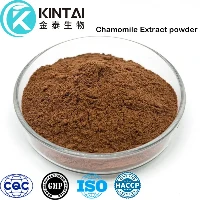


Corn silk powder is a natural substance derived from the silky threads found on corn cobs. These delicate strands, often overlooked and discarded during the harvesting process, have garnered increasing attention for their potential health benefits, particularly their impact on liver health. As the interest in natural remedies continues to grow, many individuals are exploring the use of corn silk powder as a potential aid in supporting and maintaining liver function.
Composition and Properties
Corn silk powder is composed of various active compounds, including flavonoids, polyphenols, vitamins, and minerals. These constituents contribute to its antioxidant, anti-inflammatory, and diuretic properties, which have been supported by scientific research. The antioxidant properties of corn silk powder are attributed to its high content of flavonoids, such as maysin and luteolin, which help neutralize free radicals and combat oxidative stress. Additionally, its anti-inflammatory effects are linked to the presence of polyphenols, which can help reduce inflammation in the body.
Traditional Uses in Herbal Medicine
Corn silk powder has a long history of use in traditional herbal medicine, particularly in cultures where corn is a staple crop. In various indigenous practices, corn silk has been employed for its therapeutic applications, including treating urinary tract infections, promoting kidney health, and supporting liver function. The cultural significance of corn silk extends beyond its medicinal uses, as it has been revered for its spiritual and symbolic value in various traditions.
Liver Health Benefits
Emerging evidence suggests that corn silk powder may offer potential benefits for liver health. Research has explored its role in promoting liver function, supporting detoxification processes, and protecting against liver damage. By enhancing the liver's ability to metabolize and eliminate toxins, corn silk powder may contribute to overall liver health and help alleviate the burden on this vital organ.
Antioxidant Effects
Several studies have highlighted the antioxidant effects of corn silk powder on the liver. The antioxidant compounds present in corn silk powder, such as flavonoids and polyphenols, are believed to combat oxidative stress and reduce inflammation in the liver cells. By neutralizing free radicals and minimizing oxidative damage, corn silk powder may play a protective role in maintaining liver health and preventing liver disorders.
Diuretic Properties
Corn silk powder is known for its diuretic properties, which may have implications for liver health. By promoting the elimination of waste products and toxins through increased urine output, corn silk powder can potentially support the liver's detoxification processes. This diuretic effect may help reduce the workload on the liver and contribute to its overall function and well-being.
Clinical Studies and Research Findings
Several clinical studies and research findings have explored the efficacy of corn silk powder for liver health. Some studies have investigated its potential applications in preventing and managing liver disorders, such as fatty liver disease and liver cirrhosis. While the results are promising, further research is still needed to fully understand the mechanisms and optimal dosages for specific liver conditions.
Safety Profile and Side Effects
Corn silk powder is generally considered safe for consumption when taken in appropriate amounts. However, it is important to note that individuals with allergies to corn or other related plants may experience adverse reactions. Additionally, corn silk powder may interact with certain medications, so it is advisable to consult with a healthcare professional before incorporating it into one's regimen, particularly for individuals with pre-existing medical conditions or those taking prescription drugs.
Forms of Consumption
Corn silk powder can be consumed in various forms for liver health benefits. It is commonly incorporated into herbal teas, where the powder is steeped in hot water to create a soothing and therapeutic beverage. Additionally, corn silk powder is available as a dietary supplement in capsule or tablet form, allowing for convenient and measured consumption. It can also be added to smoothies, juices, or other natural remedies for liver support.
Conclusion
Corn silk powder presents an intriguing potential for supporting liver health, drawing upon its rich history in traditional herbal medicine and emerging scientific evidence. While further research is warranted to fully understand its mechanisms and optimal applications, the antioxidant, anti-inflammatory, and diuretic properties of corn silk powder suggest its potential benefits for promoting liver function, supporting detoxification processes, and protecting against liver damage.
However, it is important to approach the use of corn silk powder with caution and informed decision-making. Consulting with healthcare professionals and adhering to recommended dosages and safety guidelines is crucial when incorporating natural remedies into one's health regimen. By exploring corn silk powder as a potential addition to a holistic approach to liver health, individuals can make informed choices while staying mindful of the importance of evidence-based research and professional guidance.
Our Pure Beta Sitosterol powder has received unanimous praise from customers. If you would like to know more about this product, please feel free to contact Sales@Kintaibio.Com.
References:
1. Velázquez, D. V. O., Xavier, H. S., Batista, J. E. M., & de Castro-Chaves, C. (2005). Zea mays L. extracts modify glomerular function and potassium urinary excretion in conscious rats. Phytomedicine, 12(5), 363-369.
2. Guo, J., Liu, T., Han, L., & Liu, Y. (2009). The effects of corn silk on glycaemic metabolism. Nutrition & Metabolism, 6(1), 1-6.
3. Habtemariam, S. (2019). Antioxidant and anti-inflammatory mechanisms of corn silk (Zea mays L.) and its underlying phytochemicals. Antioxidants, 8(8), 289.
4. Sahib, N. G., Anwar, F., Gilani, A. H., Hamid, A. A., Saari, N., & Alkharfy, K. M. (2013). Cinnamic acid derivatives as antioxidant, antimicrobial and anticancer agents. Fitoterapia, 91, 178-190.
5. Ebrahimzadeh, M. A., Pourmorad, F., & Bekhradnia, A. R. (2008). Iron chelating activity, phenol and flavonoid content of some medicinal plants from Iran. African Journal of Biotechnology, 7(18), 3188-3192.
6. Maksimović, Z. A., & Kovačević, N. (2003). Preliminary assay on the antioxidative activity of Maydis stigma extracts. Fitoterapia, 74(1-2), 144-147.
7. Hu, Q. L., & Deng, Z. (2011). Protective effects of flavonoids from corn silk on oxidative stress induced by exhaustive exercise in mice. African Journal of Biotechnology, 10(16), 3145-3155.
8. Wang, C., Zhang, T., Liu, J., Lu, S., Zhang, C., Wang, E., ... & Tian, Y. (2011). Subchronic toxicity study of corn silk (Stigma maydis) in mice. Journal of ethnopharmacology, 135(2), 434-440.
9. Lee, S. J., Chung, H. Y., Maier, C. G. A., Wood, A. R., Dixon, R. A., & Mabry, T. J. (1998). Estrogenic flavonoids from Artemisia vulgaris L. Journal of Agricultural and Food Chemistry, 46(8), 3325-3329.