

Vine tea extract, derived from the Ampelopsis grossedentata plant, has gained significant attention in the health and wellness industry due to its potential therapeutic properties. This blog post delves into the specifications and purity levels of bulk vine tea extract, providing valuable insights for manufacturers, researchers, and consumers alike. We'll explore the various grades of vine tea extract available in the market, the factors that influence its purity, and the importance of quality control in the production process. Whether you're looking to buy vine tea extract or simply expand your knowledge about this promising natural compound, this comprehensive guide will equip you with essential information to make informed decisions.

Chemical Composition of Vine Tea Extract
Vine tea extract is primarily composed of dihydromyricetin (DHM), also known as ampelopsin. This flavonoid compound is the main active ingredient responsible for the extract's purported health benefits. The chemical composition of vine tea extract typically includes:

Dihydromyricetin (DHM): The primary bioactive compound
Myricetin: Another flavonoid with antioxidant properties
Quercetin: A flavonoid known for its anti-inflammatory effects
Other polyphenols and flavonoids in smaller quantities
When considering bulk vine tea extract, it's crucial to understand that the concentration of these compounds can vary depending on factors such as the plant's growing conditions, harvesting time, and extraction methods.
Standardization of Vine Tea Extract
To ensure consistency and quality, manufacturers often standardize their vine tea extract products. Standardization involves adjusting the concentration of specific compounds, particularly dihydromyricetin, to meet predetermined specifications. Common standardization levels for bulk vine tea extract include:
50% dihydromyricetin
80% dihydromyricetin
98% dihydromyricetin vine tea extract
The 98% dihydromyricetin vine tea extract represents the highest purity level commonly available in the market. This high-purity extract is often sought after for research purposes and premium dietary supplement formulations.
Physical Specifications of Bulk Vine Tea Extract
When you buy vine tea extract in bulk, you should also be aware of its physical specifications. These characteristics can affect the extract's stability, shelf life, and ease of use in various applications. Typical physical specifications for bulk vine tea extract include:
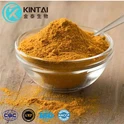
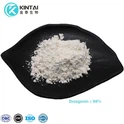
Appearance: Fine powder
Color: Light white
Odor: Characteristic herbal scent
Particle size: Usually 80-100 mesh
Solubility: Partially soluble in water, soluble in ethanol
These physical attributes can vary slightly depending on the extraction process and standardization level of the vine tea extract.

Purity Levels of Vine Tea Extract
Factors Influencing Purity
The purity of bulk vine tea extract is influenced by several factors throughout the production process. Understanding these factors is crucial for both manufacturers and buyers to ensure the highest quality product. Key factors affecting purity include:

Raw material quality: The health and maturity of the Ampelopsis grossedentata plants used
Harvesting practices: Proper timing and techniques to maximize bioactive compound content
Extraction methods: The efficiency and selectivity of the extraction process
Purification techniques: Advanced methods to isolate and concentrate desired compounds
Storage conditions: Proper handling to prevent degradation of active ingredients
Each of these factors plays a crucial role in determining the final purity of the vine tea extract. Reputable manufacturers invest heavily in optimizing these aspects to produce high-quality, pure extracts.
Testing and Verification of Purity
Ensuring the purity of bulk vine tea extract requires rigorous testing and verification processes. Reputable manufacturers employ various analytical techniques to assess the quality and purity of their products. Common testing methods include:
High-Performance Liquid Chromatography (HPLC): For quantifying dihydromyricetin content
Mass Spectrometry: To identify and measure specific compounds
Thin-Layer Chromatography (TLC): For qualitative analysis of extract composition
Spectrophotometry: To measure overall flavonoid content
Microbial testing: To ensure the extract is free from harmful microorganisms
When purchasing bulk vine tea extract, always request a Certificate of Analysis (CoA) that details the results of these tests, confirming the purity and quality of the product.

Applications and Considerations for Vine Tea Extract
Industrial Applications of Vine Tea Extract
Vine tea extract, particularly high-purity forms like 98% dihydromyricetin vine tea extract, finds applications in various industries. Some key areas where bulk vine tea extract is utilized include:
Dietary Supplements: Formulated into capsules, tablets, or powders for health and wellness products
Functional Foods and Beverages: Incorporated into energy drinks, health bars, and fortified foods
Cosmetics and Skincare: Used in anti-aging creams, serums, and other beauty products
Pharmaceutical Research: Studied for potential therapeutic applications in various health conditions
Nutraceuticals: Developed into specialized health-promoting formulations
The versatility of vine tea extract makes it a valuable ingredient across multiple sectors, driving demand for high-quality, pure extracts.
Dosage and Safety Considerations
When working with bulk vine tea extract, especially high-purity forms like 98% dihydromyricetin vine tea extract, it's crucial to consider appropriate dosage and safety factors. While vine tea extract is generally considered safe, factors to consider include:
Recommended dosage: Typically ranges from 100-500 mg per day, depending on the application
Potential interactions: May interact with certain medications, particularly those metabolized by the liver
Purity-dependent effects: Higher purity extracts may have more potent effects and require adjusted dosing
Individual sensitivity: Some people may be more sensitive to the effects of vine tea extract
Long-term safety: More research is needed on the long-term effects of high-dose vine tea extract consumption
Always consult with healthcare professionals and adhere to regulatory guidelines when developing products containing vine tea extract.
Storage and Handling of Bulk Vine Tea Extract
Proper storage and handling are crucial to maintain the quality and purity of bulk vine tea extract. When you buy vine tea extract in large quantities, consider the following guidelines:
Temperature control: Store in a cool, dry place, ideally below 25°C (77°F)
Light protection: Keep the extract away from direct sunlight or strong artificial light
Moisture control: Use airtight containers to prevent moisture absorption
Contamination prevention: Handle with clean, dry equipment to avoid introducing impurities
Shelf life management: Use within the recommended shelf life, typically 2-3 years when properly stored
Adhering to these storage and handling practices will help preserve the purity and potency of your bulk vine tea extract, ensuring its quality for various applications.

Conclusion
Understanding the specifications and purity levels of bulk vine tea extract is essential for anyone involved in its production, research, or utilization. From the basic 50% standardized extracts to the highly purified 98% dihydromyricetin vine tea extract, each grade offers unique benefits and applications. By considering factors such as chemical composition, standardization, physical properties, and purity verification methods, you can make informed decisions when sourcing or working with this valuable natural extract. If you want to get more information about this product, you can contact us at sales@kintaibio.com.
References
1. Zhang, Y., et al. (2021). "Dihydromyricetin: A review on identification and quantification methods, biological activities, chemical stability, metabolism and approaches to enhance its bioavailability." Trends in Food Science & Technology, 108, 193-211. https://www.sciencedirect.com/science/article/pii/S0924224420307469
2. Hou, X., et al. (2015). "Vine tea (Ampelopsis grossedentata): A new natural source of dihydromyricetin." Phytochemistry Reviews, 14(3), 525-542. https://link.springer.com/article/10.1007/s11101-015-9402-8
3. Ye, L., et al. (2019). "The adulteration of commercial vine tea with the leaves of bamboo and sweet tea revealed by ITS sequences." Scientific Reports, 9(1), 1-8. https://www.nature.com/articles/s41598-019-46448-6
4. Chen, S., et al. (2018). "Dihydromyricetin: A review on identification and quantification methods, biological activities, chemical stability, metabolism and approaches to enhance its bioavailability." Trends in Food Science & Technology, 71, 77-90. https://www.sciencedirect.com/science/article/pii/S0924224417304697
5. Xiang, L., et al. (2019). "The chemical and genetic characteristics of Szechuan pepper (Zanthoxylum bungeanum and Z. armatum) cultivars and their suitable habitat." Frontiers in Plant Science, 10, 1-14. https://www.frontiersin.org/articles/10.3389/fpls.2019.00745/full
6. Li, H., et al. (2017). "Comparative pharmacokinetics study of three flavonoids in normal and type 2 diabetic rats after oral administration of Extractum folium Ampelopsis grossedentata." Journal of Pharmaceutical and Biomedical Analysis, 140, 215-222. https://www.sciencedirect.com/science/article/pii/S0731708517301346