



Rosemary (Rosmarinus officinalis L.), native to the Mediterranean region, belongs to the Lamiaceae family and is an herb with a long history. Since ancient times, rosemary has been used for many health purposes, including improving memory, relieving anxiety, promoting digestion, and protecting the liver. With the advancement of modern science and technology, research on rosemary continues to deepen, and the application scope of its extracts has gradually expanded to medicine, food, cosmetics and other fields.

Rosemary leaf extract, especially its active ingredients such as rosmarinic acid, carnosic acid, rosmarinol, etc., exhibits significant antioxidant, antibacterial, antitumor, anti-inflammatory, antidepressant and other pharmacological properties effect. Therefore, understanding the health benefits of rosemary extract will not only help promote its application in different fields, but also provide the public with more health care options.

The main active ingredients of rosemary leaf extract
The active ingredients of rosemary leaf mainly include essential oils, phenolic compounds and flavonoids. Common rosemary ingredients include:
Rosmarinic acid: An important phenolic compound with powerful antioxidant and anti-inflammatory effects.
Carnosic acid: It has significant antioxidant effects and helps reduce cell damage caused by free radicals.
Rosmarinol: Another ingredient with strong antioxidant properties, it plays an important role in fighting oxidative stress in the body.
Essential oil ingredients: such as α-Pinene, Camphene, 1,8-Cineole, camphor, etc., which have antibacterial, anti-inflammatory, insecticidal and other effects.

The existence of these components makes rosemary not only occupy a place in herbal medicine, but also attract widespread attention in modern medical research and application.
Rosemary leaf Extract Benefits
1. Antioxidant effect
Rosemary leaf extract has significant antioxidant effects, which makes it an effective tool to prevent aging and protect the body from oxidative damage. Research shows that the rosmarinic acid and carnosic acid in rosemary have powerful free radical scavenging capabilities, which can effectively slow down the aging process and prevent cell damage.

https://www.mdpi.com/1420-3049/25/21/5160#
For example, one study showed that rosmarinic acid reduced the oxidative damage to liver cells caused by hydrogen peroxide (H2O2) and inhibited cell apoptosis by activating the SIRT-1 pathway. This effect is not only beneficial for delaying aging, but also plays an important role in preventing aging-related diseases, such as cardiovascular disease and diabetes.
Its antioxidant effect in vegetable oils is better than common synthetic antioxidants, such as tert-butylhydroquinone. The content of lipid oxidation polymers in edible oil added with rosemary extract is significantly reduced after high-temperature cooking, which helps to improve food quality.
2. Antibacterial and insecticidal effects
The active ingredients in rosemary essential oil, such as α-pinene, camphor and 1,8-cineole, have been found to have powerful antibacterial and insecticidal effects. Research shows that rosemary essential oil can inhibit the growth of a variety of pathogenic bacteria, including Escherichia coli, Staphylococcus aureus, etc.

https://www.sciencedirect.com/science/article/abs/pii/S0278691520300727
Research shows that rosemary essential oil can significantly inhibit the mycelium growth of Fusarium moniliforme at a concentration of 150 mg/L. Microdroplets coated with rosemary essential oil have an inhibitory effect on the attachment and biofilm formation of Candida albicans.
In addition, the camphor component in rosemary essential oil can inhibit the development of poisonous moths; 1,8-cineole can kill lice eggs. Its antibacterial and insecticidal effects make rosemary a natural preservative and insecticide, widely used in food, cosmetics, and agriculture.
3. Antidepressant effect
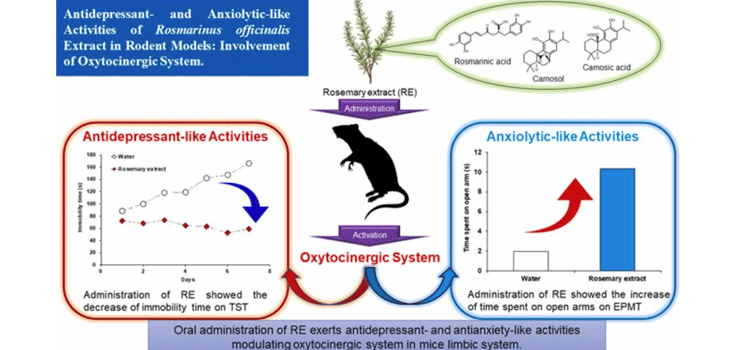
Research in recent years has also revealed rosemary's mental health benefits, particularly in its fight against depression. Carnosic acid, caffeic acid and other components in rosemary are believed to improve the balance of neurotransmitters by inhibiting cholinesterase activity, thereby reducing symptoms of depression.
https://www.sciencedirect.com/science/article/pii/S0753332221010751
Experimental data shows that rosemary tea can effectively reduce depression and anxiety behaviors in rats. Its mechanism of antidepressant action is similar to that of anticholinesterase drugs, which provides scientific support for rosemary's potential as a natural antidepressant.
4. Anti-tumor effect
The anti-tumor effects of rosemary extract have also received widespread attention. Studies have shown that rosemary extract can inhibit the growth of a variety of tumor cells and promote apoptosis of tumor cells. Rosmarinic acid and carnosic acid are the main active ingredients, and they show significant inhibitory effects against prostate cancer, colon cancer, melanoma and other tumors.

https://www.sciencedirect.com/science/article/abs/pii/S1043661813000595
For example, one study found that rosemary extract can significantly enhance the inhibitory effect of 5-fluorouracil on colon cancer cells, showing a good synergistic anti-cancer effect.
5. Anti-inflammatory effect
Rosemary extract also has significant anti-inflammatory properties, making it ideal for relieving a variety of inflammatory conditions. Studies have shown that, in a rat toe swelling model, carnosic acid can significantly reduce the inflammatory response at a dose of 25 mg/kg. In gastritis research, rosemary extract reduced the levels of inflammatory factors (such as TNF-α, IL-1β) and protected the gastric mucosal structure.

In addition, carnosic acid in rosemary has also been found to be able to effectively reduce liver damage caused by ischemia-reperfusion, showing its powerful anti-inflammatory effect.
6. Metabolic regulation
The regulatory effect of rosemary leaf extract on metabolism has gradually become a research focus. Studies have found that rosemary extract can significantly reduce blood sugar, blood lipids and body weight, and improve metabolic disorders caused by high-cholesterol diets. This effect is mainly attributed to components such as carnosic acid and carnosol in rosemary, which have the potential to prevent obesity and diabetes by regulating fat metabolism and sugar metabolism.

7. Neuroprotective effect
The protective effect of rosemary extract on the nervous system is also one of its important pharmacological properties. Research shows that carnosic acid and rosmarinic acid in rosemary can reduce oxidative damage to nerve cells, thereby improving symptoms of neurodegenerative diseases.
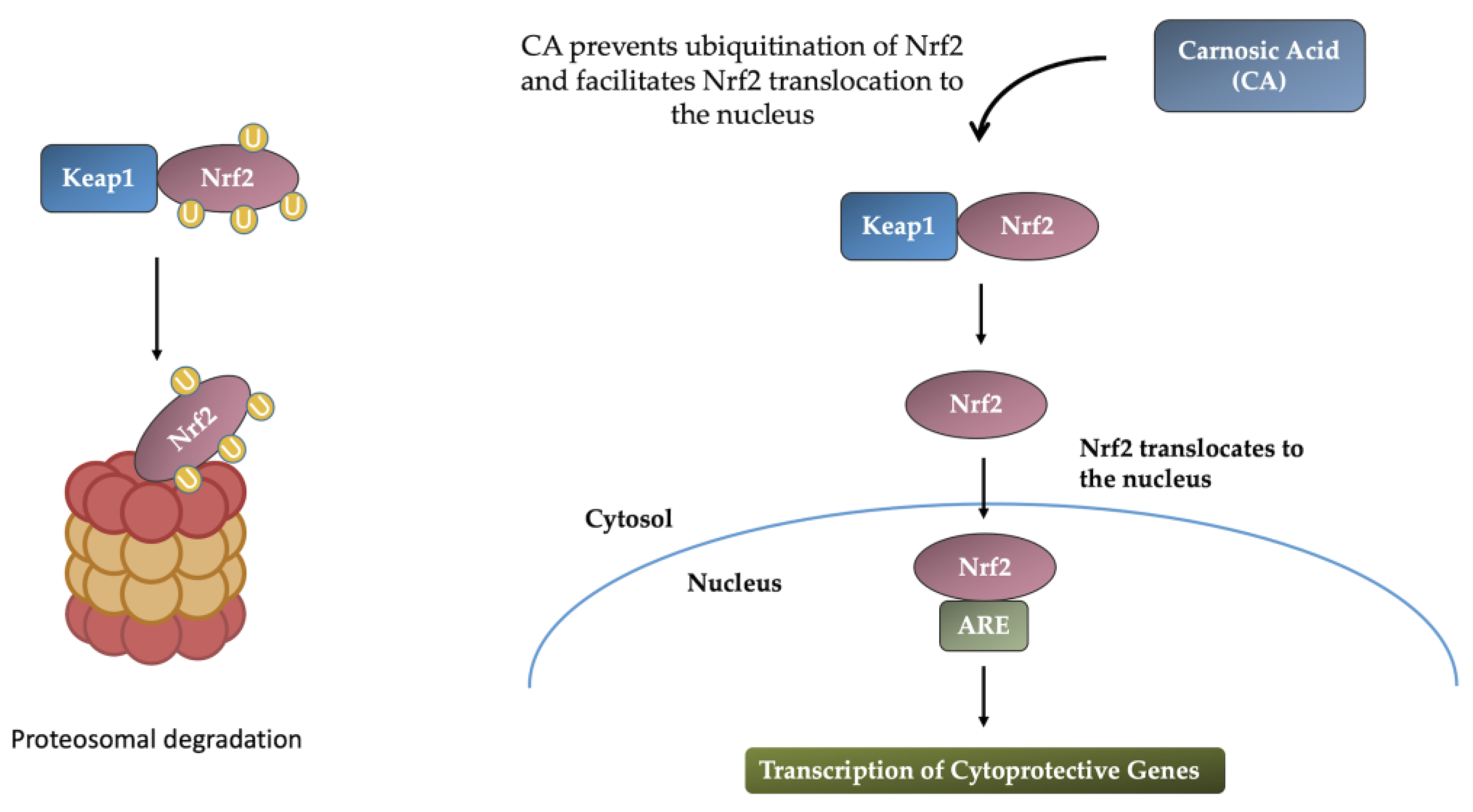
For example, rosmarinic acid can inhibit the accumulation of beta-amyloid protein, which is considered to be one of the pathological hallmarks of Alzheimer's disease. In addition, certain components in rosemary can improve mood disorders such as anxiety and depression by regulating neurotransmitters.
Application of rosemary extract in food industry
In addition to the pharmaceutical field, rosemary extract is also widely used in the food industry. Due to its excellent antioxidant effects, rosemary extract is used as a natural food preservative to extend the shelf life of foods. For example, rosemary extract can effectively inhibit lipid oxidation in edible oils and improve the sensory quality and nutritional value of food. In addition, rosemary is also widely used in processed meat products, dairy products, baked goods and other fields. It can not only extend the shelf life of food, but also effectively reduce the risk of the spread of food-borne diseases.

XI'AN KINTAI BIOTECH INC.'s Rosemary Extract – 98% Rosmarinic Acid Powder
In the research and production process of rosemary extract, the optimization of the extraction process is particularly important. As a leading rosemary extract manufacturer, kintai focuses on the production of high-purity rosemary extract, especially the extraction of 98% rosmarinic acid powder. Through advanced extraction technology and precise quality control, we can provide high-purity rosmarinic acid powder to ensure its application effects in the fields of medicine, food, and cosmetics.

Rosmarinic acid, as the main active ingredient in rosemary extract, has multiple biological activities such as powerful antioxidant, anti-inflammatory, and anti-tumor. Therefore, choose high-quality rosmarinic acid powder to add even more health benefits to your products. If you are interested in rosemary extract, please contact: Email: sales@kintaibio.com | WhatsApp: +86-181 8259 4708


