

Shilajit and fulvic acid frequently appear together in the same articles, leading many consumers to ask a fundamental question: Are they, in fact, the same thing? In reality, while the two share a close biological relationship, they are by no means the same substance. Fulvic acid is one of the core active constituents found within Shilajit; however, Shilajit itself is a complete natural complex comprising fulvic acid, humic acid, over 80 different minerals, and unique biomarkers. If one were to liken Shilajit to a fully functional, intelligent nutritional warehouse, then fulvic acid would be the most efficient "transport key" within that warehouse.
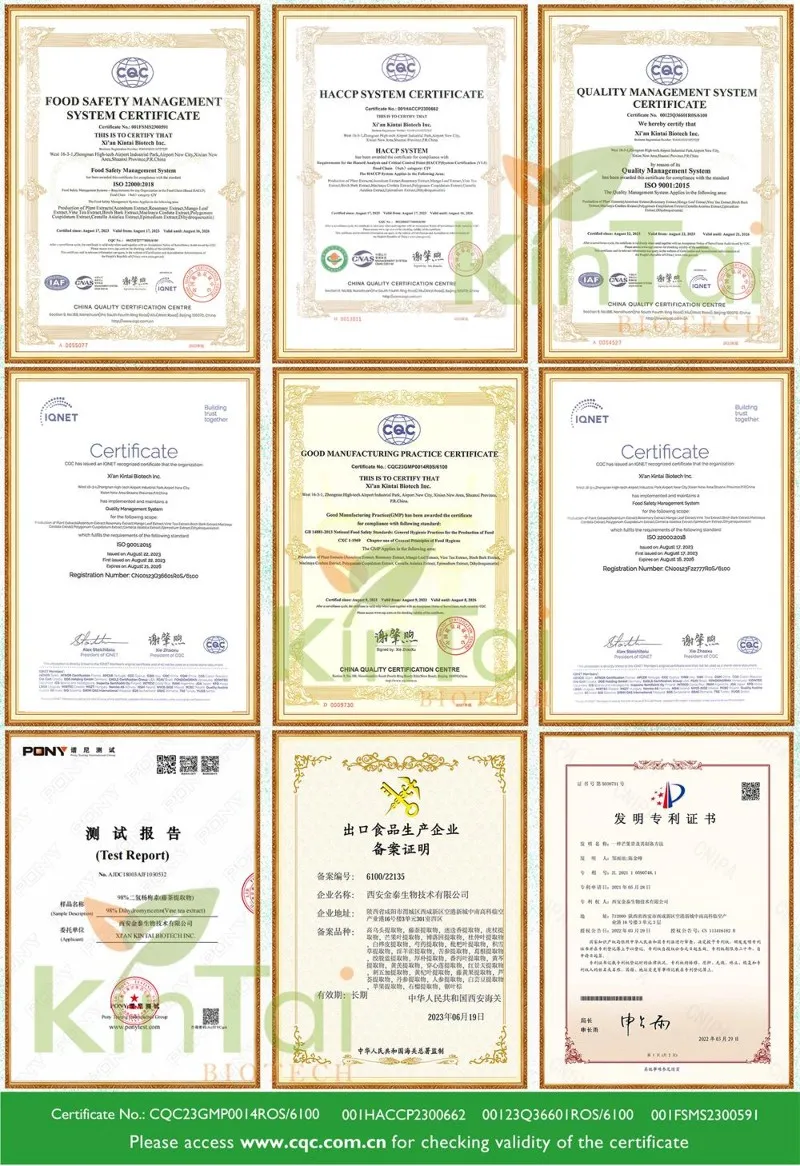
As a specialized manufacturer of Shilajit extract fulvic acid mineral powder, KINTAIBIO® relies on a rigorous quality control system and a fully traceable raw material supply chain to ensure that every product batch meets-and exceeds-high industry standards regarding active ingredient content, microbiological purity, and heavy metal limits. We invite you to contact us at sales@kintaibio.com.
What is Shilajit?
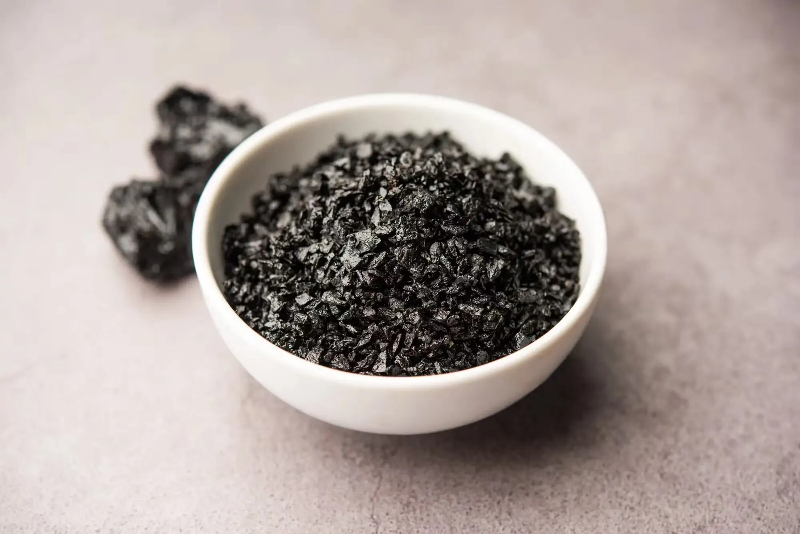
Shilajit extract
A viscous, dark-brown resin that seeps from rock crevices in high-altitude mountain ranges such as the Himalayas and the Altai. It is not merely a simple soil extract; rather, it is a "centuries-old phytocomplex"-a bioactive substance formed through the prolonged microbial decomposition and geological compression of specific alpine plants (such as those in the Euphorbia and Trifolium genera). Known in Ayurvedic medicine as "Rasayana" (a rejuvenator), it boasts a history of clinical application spanning over four millennia.
From a chemical perspective, the core active constituents of Shilajit extract are humic substances; among these, fulvic acid accounts for 15–20% of its dry weight and serves as the primary agent responsible for its therapeutic effects. Additionally, it contains higher-molecular-weight humic acids, which, together with fulvic acid, form the fundamental structural framework of the humic matrix. The signature compounds that define Shilajit are the dibenzo-α-pyrone derivatives. Furthermore, Shilajit naturally contains over 80 different trace elements in their ionic state, including magnesium, potassium, calcium, iron, zinc, and selenium.
What is Fulvic Acid?
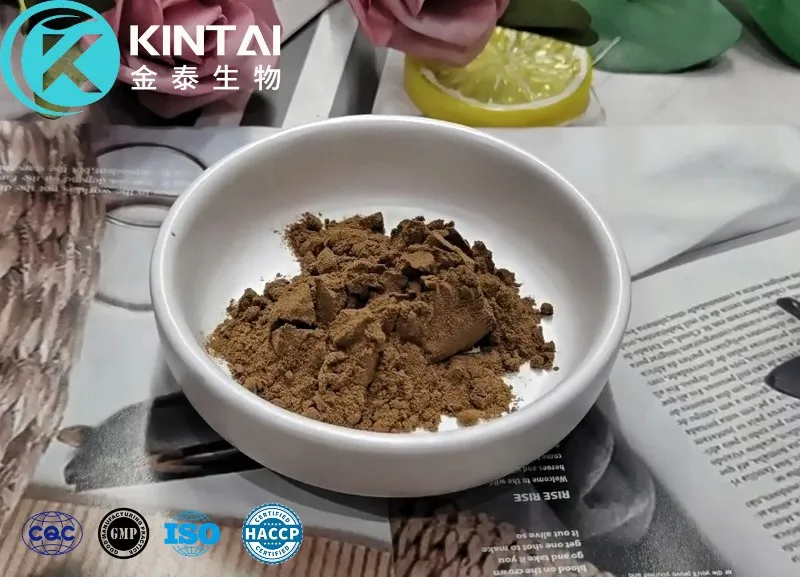
fulvic acid mineral powder
Fulvic acid is the component of humic substances characterized by the lowest molecular weight, the highest water solubility, and the greatest biological activity. It is widely distributed in healthy soils, peat layers, and freshwater environments, representing the ultimate end-product released during the microbial decomposition of plant residues rich in organic matter. While Shilajit is a product specific to a particular geographical location, fulvic acid is a functional molecular unit ubiquitous throughout the Earth's ecological cycles.
As a purified functional molecule, Fulvic Acid Mineral Powder possesses an exceptionally low molecular weight. This characteristic endows it with remarkable transmembrane permeability, enabling it to open channels within cell membranes and directly deliver the nutrients it carries into the interior of cells. Moreover, the fulvic acid molecule is densely populated with carboxyl and phenolic hydroxyl functional groups, allowing it to bind with metal ions, minerals, and even toxic heavy metals. On one hand, this facilitates the conversion of beneficial trace elements into more readily absorbable organic forms; on the other, it encapsulates harmful heavy metal ions-preventing them from reacting with human tissues-and facilitates their safe elimination from the body via excretory pathways.
The Relationship Between shilajit and fulvic acid
The relationship between Shilajit and fulvic acid powder resembles two inseparable facets within a sophisticated system of natural bounty. Fulvic acid serves as the pivotal agent and transport vehicle within Shilajit; specifically, the fulvic acid component is responsible for "escorting" the dozens of minerals contained within Shilajit into human cells, thereby activating Shilajit's comprehensive physiological effects.

Were this active carrier-fulvic acid powder-to be absent, the abundant minerals within Shilajit extract would exist merely as ordinary inorganic salts, and their absorption efficiency would be drastically compromised. Conversely, if one possesses only fulvic acid-detached from the Shilajit matrix-while it may still exert its potent transport and detoxification functions, it would lack the dibenzo-α-pyrones unique to Shilajit, as well as its specific ratio of trace elements.
The Differences Between shilajit and fulvic acid

The Purity and Standardization of Shilajit and Fulvic Acid Raw Materials
High-quality fulvic acid powder typically consist of a single functional component extracted through a highly purified process. Their effective concentration can be precisely quantified, and under strictly controlled manufacturing processes, they can achieve extremely low background levels of heavy metal residues, thereby ensuring their purity and safety. In contrast, natural raw Shilajit is a crude material collected directly from crevices in high-altitude rocks; its internal composition is extremely complex and heavily influenced by the specific micro-environment of its geographical origin, resulting in significant natural fluctuations in its fulvic acid content. More critically, in its natural, unprocessed state, raw Shilajit is highly prone to adsorbing free-form heavy metals-such as lead, mercury, and arsenic-from its surrounding environment.
This fact dictates that the quality of the final Shilajit product is highly dependent upon the subsequent extraction and purification processes employed by the manufacturer, as well as the rigorous testing standards applied. If consumers-lacking the necessary discernment-purchase inferior Shilajit that has not undergone thorough purification, they not only fail to reap the anticipated health benefits but may also face the potential risk of ingesting harmful heavy metals.

The Mechanism of Action and Long-Term Uses Positioning of Shilajit and Fulvic Acid
Thanks to its nearly unparalleled water solubility across the entire pH spectrum and its precise, well-defined chelation mechanism, fulvic acid powder is particularly well-suited for use in short-term, highly targeted health intervention programs. For instance, it can serve as the core active ingredient in an intensive intestinal cleansing regimen, or as a specialized supplement designed to address poor daily mineral absorption resulting from specific digestive issues.
In contrast, the unique value of Shilajit lies in its ability to replenish the natural humic substances and full-spectrum trace minerals that modern individuals-having become distanced from their native, natural soil environments-commonly lack. It demonstrates comprehensive benefits in steadily enhancing basic physical stamina, aiding in the alleviation of Chronic Fatigue Syndrome, and supporting male reproductive health and vitality.

The Solubility of Shilajit and Fulvic Acid
Furthermore, when dissolved in water, high-purity fulvic acid powder typically presents as a clear, transparent, orange-yellow liquid characterized by a distinctively strong, tart, and acidic taste. Conversely, high-quality purified Shilajit powder or resin, when dissolved, often emits a unique, natural earthy aroma and possesses a complex flavor profile that is slightly bitter yet leaves a sweet aftertaste; these represent significant differences between the two substances in terms of both taste and dissolution characteristics.
How To Choose shilajit and fulvic acid?
In summary, Shilajit is by no means synonymous with fulvic acid.
While fulvic acid is an indispensable component enabling Shilajit to exert its potent physiological activity, it cannot fully represent the entirety of Shilajit-a complex substance comprising a "mineral infantry," an "amino acid logistics corps," and a "special operations unit" of dibenzo-α-pyrones. When selecting high-quality Shilajit products, the fulvic acid powder content serves as a crucial reference metric.On the other hand, as a standalone functional ingredient, fulvic acid possesses proven value in nutrient delivery and targeted detoxification; it serves as an excellent supportive tool for specific populations, yet it neither can nor should be regarded as a complete substitute for the multifaceted efficacy of Shilajit.

KINTAIBIO® offers clients a comprehensive range of standardized Shilajit extract fulvic acid mineral powder-featuring various fulvic acid concentrations including 10%, 20%, 45%, 50%, 60%, and 70%-and further provides customized specifications tailored to specific application requirements, thereby meeting the diverse needs of global clients across various sectors.