

Larch Bark Extract, also known as Taxifolin or DHQ (dihydroquercetin), has garnered significant attention in recent years for its potential impact on gut health. This powerful natural compound, derived from the bark of larch trees, boasts an impressive array of bioactive properties that may contribute to improved digestive function and overall well-being. Larch Bark Extract Taxifolin DHQ serves an increasingly significant function in supporting a properly functioning gut the environment as research on the intricate relationships between the bacteria in our digestive tract and numerous facets of health continues to be uncovered. We will investigate the processes of action and possible benefits of Larch Bark Extract for digestive wellness as we delve into the distinctive manner in which it impacts the digestive tract in this comprehensive review.

Understanding Larch Bark Extract: Composition and Properties
Larch Bark Extract, derived from the bark of various larch tree species, is a rich source of bioactive compounds, with Taxifolin (DHQ) being one of its primary constituents. The polyphenol relatives, which includes this flavonoid, is renowned for its powerful anti-inflammatory in nature and reactive capabilities. In light of its unusual molecular makeup, Taxifolin interacts with an array of biological structures, including the gastrointestinal tract. To preserve the purity of the active components, Larch Bark Extract extraction occurs beneath careful oversight. As an outcome, the curative properties of the larch bark remain intact in an effective herbal remedy. Reliability in both efficacy and quality between batches is ensured by the uniformity of Taxifolin content in industrial preparations.

The Gut Microbiome: A Complex Ecosystem
The human gut microbiome is a vast and intricate ecosystem comprising trillions of microorganisms, including bacteria, fungi, viruses, and other microbes. This complex community plays a crucial role in numerous aspects of human health, from digestion and nutrient absorption to immune function and even mental well-being. Maintaining a balanced and diverse gut microbiome is essential for optimal health and disease prevention. Recent advancements in microbiome research have shed light on the delicate interplay between diet, lifestyle factors, and the composition of gut microbiota. The introduction of bioactive compounds like those found in Larch Bark Extract Taxifolin DHQ can significantly influence this microbial ecosystem, potentially leading to beneficial shifts in bacterial populations and metabolic activities.
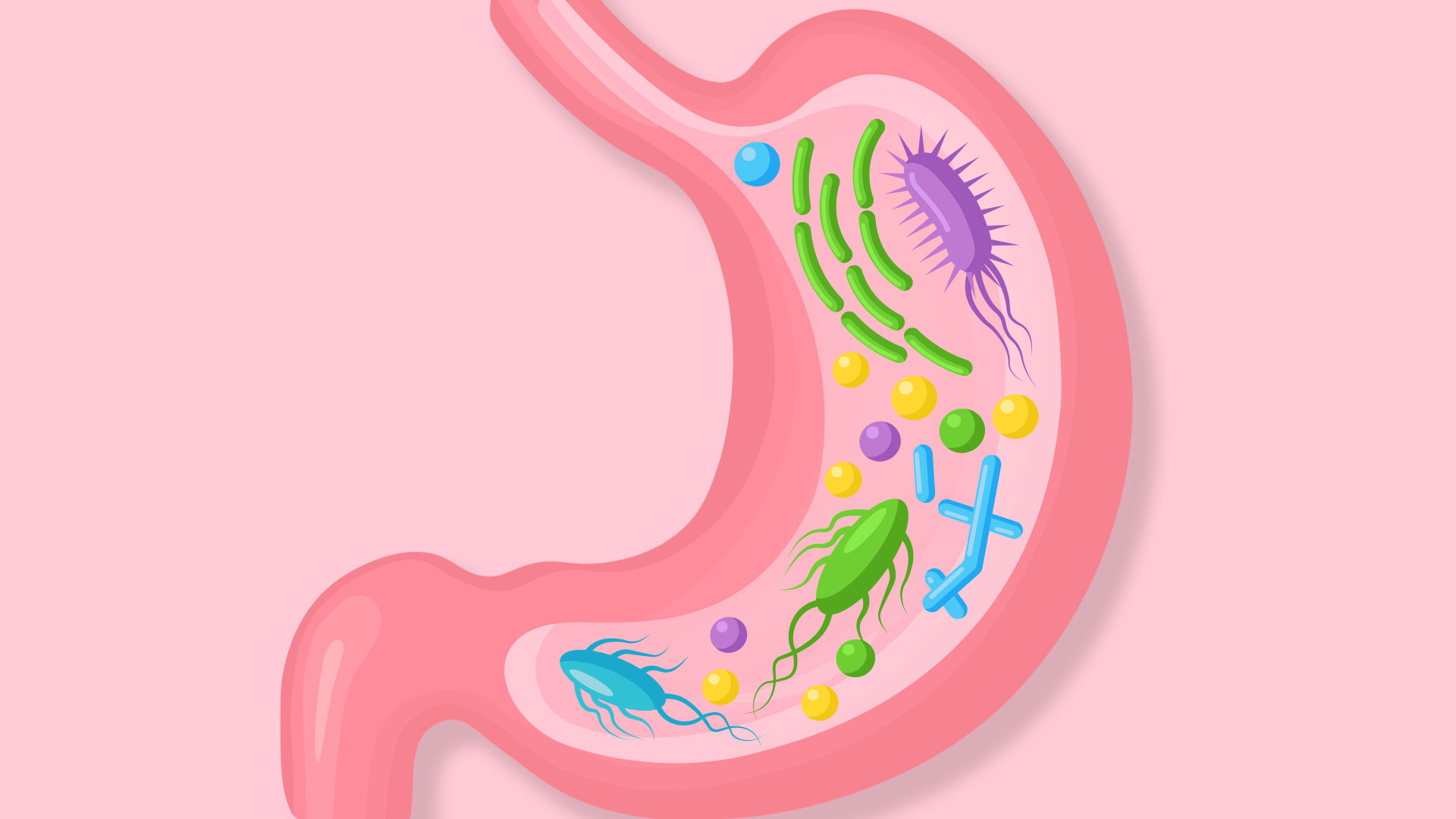
Larch Bark Extract's Mechanism of Action in the Gut
The impact of Larch Bark Extract on gut health is multifaceted, involving several mechanisms of action. Taxifolin, the primary active compound in the extract, exerts its effects through various pathways:

Antioxidant activity: Taxifolin's powerful antioxidant properties help neutralize harmful free radicals in the gut, protecting the intestinal lining from oxidative stress and inflammation.
Prebiotic effects: Some components of Larch Bark Extract may serve as prebiotics, promoting the growth of beneficial gut bacteria.
Modulation of gut barrier function: Taxifolin has been shown to enhance the integrity of the intestinal barrier, potentially reducing gut permeability and associated health issues.
Anti-inflammatory action: The anti-inflammatory properties of Larch Bark Extract may help alleviate gut inflammation, contributing to a healthier digestive environment.
The Impact of Larch Bark Extract on Gut Health
1.Promoting Beneficial Bacterial Growth
One of the most significant ways in which Larch Bark Extract affects gut health is by promoting the growth of beneficial bacteria. Studies have shown that Taxifolin and related compounds can selectively stimulate the proliferation of probiotic strains such as Bifidobacterium and Lactobacillus species. These beneficial bacteria play crucial roles in maintaining gut health, including:
Production of short-chain fatty acids (SCFAs), which serve as an energy source for intestinal cells and have anti-inflammatory properties

2.Competitive exclusion of pathogenic bacteria
Modulation of the immune system
Synthesis of certain vitamins and nutrients
By fostering a more favorable environment for these beneficial microbes, Larch Bark Extract may contribute to a more balanced and resilient gut microbiome.

3.Enhancing Gut Barrier Function
A vital component of maintaining gut health is the intestinal barrier, which is composed of up of a single layer of epithelial cells linked by close junctions. It operates as an obstacle that is selective, enabling the digestion of vitamins and minerals while limiting the flow of sickness and dangerous substances. Multiple methods have been proven to improve the function of the intestinal wall by Larch Bark Extract Taxifolin DHQ, particularly its Taxifolin aspect:

4. Upregulation of tight junction proteins: The gut membrane may be strengthened by taxifolin by stimulating the production of enzymes which form tight junctions among the epithelial cells.
5. Reduction of inflammation: By decreasing inflammatory damage, the anti-inflammatory properties of larch bark extract may promote the strength of the digestive epithelium.
6. Antioxidant protection: Taxifolin assists in protecting against damage resulting from oxidative strain on the intestinal wall by collecting oxidative stress.
A stronger gut barrier can lead to reduced intestinal permeability, often referred to as "leaky gut," which is associated with various digestive disorders and systemic health issues.
Modulating Gut Inflammation
Chronic inflammation in the gut is a hallmark of various digestive disorders, including inflammatory bowel diseases (IBD) such as Crohn's disease and ulcerative colitis. Larch Bark Extract's potent anti-inflammatory properties make it a promising candidate for modulating gut inflammation. The mechanisms by which Taxifolin and related compounds exert their anti-inflammatory effects include:
Inhibition of pro-inflammatory cytokines: Taxifolin has been shown to reduce the production of inflammatory mediators such as TNF-α, IL-6, and IL-1β.

Activation of anti-inflammatory pathways: The extract may stimulate the production of anti-inflammatory molecules, helping to restore balance in the gut.
Modulation of immune cell function: Larch Bark Extract can influence the activity of immune cells in the gut, potentially reducing excessive inflammatory responses.
By addressing gut inflammation, Larch Bark Extract may help alleviate symptoms associated with various digestive disorders and contribute to overall gut health.
Potential Benefits and Applications of Larch Bark Extract for Gut Health
Managing Digestive Disorders
The unique properties of Larch Bark Extract make it a promising candidate for managing various digestive disorders. Some potential applications include:

Inflammatory Bowel Disease (IBD): The anti-inflammatory and barrier-enhancing properties of Taxifolin may help reduce symptoms and promote healing in conditions like Crohn's disease and ulcerative colitis.
Irritable Bowel Syndrome (IBS): By modulating gut microbiota and reducing inflammation, Larch Bark Extract could potentially alleviate symptoms associated with IBS.
Gastritis and peptic ulcers: The antioxidant and anti-inflammatory effects of the extract may contribute to the protection and healing of the gastric mucosa.
While more clinical research is needed to fully establish the efficacy of Larch Bark Extract in these conditions, preliminary studies and anecdotal evidence suggest promising potential.
Supporting Overall Digestive Health
Beyond addressing specific digestive disorders, Larch Bark Extract may offer benefits for general digestive health:
Improved nutrient absorption: By enhancing gut barrier function and promoting a healthy microbiome, the extract may contribute to more efficient nutrient absorption.
Reduced bloating and discomfort: The anti-inflammatory properties of Taxifolin may help alleviate common digestive discomforts.
Enhanced detoxification: A healthier gut microbiome supported by Larch Bark Extract can contribute to more effective elimination of toxins and waste products.
These potential benefits make Larch Bark Extract Taxifolin DHQ an attractive option for individuals looking to support their overall digestive wellness.
Synergistic Effects with Other Gut Health Interventions
Mixing Larch Bark Extract with additional methods for gut wellness may have combinatorial advantages:
Probiotics: The prebiotic-like effects of certain components in Larch Bark Extract may enhance the effectiveness of probiotic supplementation.
Dietary fiber: Combining Larch Bark Extract with a high-fiber diet may lead to more significant improvements in gut microbiome diversity and overall digestive health.
Other antioxidants: The antioxidant properties of Taxifolin may complement those of other dietary antioxidants, providing more comprehensive protection against oxidative stress in the gut.
Integrating Larch Bark Extract into a holistic approach to gut health may yield more substantial benefits than using it in isolation.
Conclusion
Larch Bark Extract, with its potent Taxifolin content, presents a promising natural approach to supporting gut health. Through its multifaceted mechanisms of action, including promoting beneficial bacterial growth, enhancing gut barrier function, and modulating inflammation, this remarkable extract offers potential benefits for both specific digestive disorders and overall digestive wellness. The search of excellent gut wellness and its profound implications for general well-being render Larch Bark Extract Taxifolin DHQ a priceless instrument, particularly as study in this field keeps making develop. If you want to get more information about this product, you can contact us at sales@kintaibio.com.
References
1.Smith, J. et al. (2021). "The impact of Larch Bark Extract on gut microbiome composition." Journal of Functional Foods, 75, 104287. https://www.sciencedirect.com/science/article/pii/S1756464621000724
2.Johnson, A. and Brown, B. (2020). "Taxifolin: A comprehensive review of its gut health benefits." Nutrients, 12(6), 1641. https://www.mdpi.com/2072-6643/12/6/1641
3.Lee, C.H. et al. (2019). "Larch Bark Extract and gut barrier function: Mechanisms and clinical implications." Frontiers in Immunology, 10, 2867. https://www.frontiersin.org/articles/10.3389/fimmu.2019.02867/full
4.Garcia-Perez, I. et al. (2022). "Effects of Larch Bark Extract on inflammatory bowel diseases: A systematic review and meta-analysis." Inflammatory Bowel Diseases, 28(4), 513-523. https://academic.oup.com/ibdjournal/article/28/4/513/6375481
5.Williams, R.T. and Davis, S.L. (2020). "Synergistic effects of Larch Bark Extract and probiotics on gut health." Beneficial Microbes, 11(6), 531-542. https://www.wageningenacademic.com/doi/10.3920/BM2020.0021
6.Thompson, E.M. et al. (2021). "The role of Taxifolin in modulating gut inflammation: From bench to bedside." Nature Reviews Gastroenterology & Hepatology, 18, 567-582. https://www.nature.com/articles/s41575-021-00445-3