

As consumer interest in antioxidant skincare, protection against photoaging, and skin barrier health continues to grow, Ergothioneine (EGT) has emerged as a noteworthy active ingredient in cosmetic R&D. Reactive Oxygen Species (ROS)-generated by UV exposure, environmental pollution, and cellular metabolic processes-can trigger oxidative stress. This disrupts the normal function of skin cells and the extracellular matrix, contributing to issues such as photoaging, changes in skin tone, and damage to the skin barrier. Consequently, ingredients capable of participating in cellular antioxidant defense offer a promising avenue for the development of innovative antioxidant skincare formulations.

As a professional supplier of Ergothioneine powder, KINTAIBIO® provides product information and procurement support to B2B clients worldwide. Cosmetic brands, formulation developers, and raw material purchasers are invited to contact sales@kintaibio.com to request technical documentation for L-Ergothioneine, including the Certificate of Analysis (COA), product specifications, Technical Data Sheets (TDS), and Safety Data Sheets (SDS).
Understanding Ergothioneine
Ergothioneine is a naturally occurring, sulfur-containing derivative of the amino acid histidine, found abundantly in edible fungi such as mushrooms. Unlike some antioxidants that function primarily by directly scavenging free radicals, ergothioneine possesses a specific cellular transport mechanism. Research suggests it has the potential to regulate cellular antioxidant defense pathways; for instance, one study found that ergothioneine can mitigate the accumulation of reactive oxygen species (ROS), mitochondrial dysfunction, and certain forms of cellular damage induced by UVA exposure-effects linked to the activation of the Nrf2/ARE antioxidant defense pathway. While these findings provide a scientific basis for further research into the use of ergothioneine powder in skincare, its actual efficacy must be evaluated through studies on specific topical formulations and human subjects.

In the context of cosmetics, ergothioneine serves as a potential antioxidant ingredient for use in serums, creams, lotions, and other skincare formulations. However, the biological activity of a raw material does not equate to the clinical efficacy of a finished product. The ultimate performance depends on factors such as the quality of the raw material, its concentration, the overall formulation system, its ability to be delivered into the skin, and the conditions under which the product is used.
How Does Ergothioneine Work in the Skin?
OCTN1-also known as the ergothioneine transporter and encoded by the SLC22A4 gene-facilitates the entry of ergothioneine into specific cells. Research indicates that this transport mechanism enables human tissues to uptake and retain ergothioneine, while also influencing its intracellular distribution. However, because the expression levels of this transporter vary across different cell types, it cannot be assumed that all skin cells possess the same capacity for uptake.
Another significant area of research regarding ergothioneine in the skin concerns the Nrf2/ARE antioxidant defense pathway. Nrf2 is a key transcriptional regulator involved in the cellular antioxidant response; it governs the expression of various genes associated with antioxidant defense, such as HO-1 and NQO-1. A 2015 study using a human keratinocyte model demonstrated that pre-treatment with ergothioneine was associated with a reduction in UVA-induced reactive oxygen species (ROS), decreased cellular damage, and an enhanced Nrf2-mediated antioxidant response.

Ergothioneine powder is more than just a compound that demonstrates free-radical scavenging capabilities in experiments; its biological profile involves specific membrane transporters and the mechanisms by which cells respond to oxidative stress. It is important to note that while cells are capable of taking up ergothioneine via OCTN1, this does not guarantee that ergothioneine in topical products can effectively penetrate the skin barrier to reach the dermis. Dermal delivery is influenced by factors such as the molecule's inherent properties, the formulation vehicle, the condition of the skin, and the method of application.
What Are the Benefits of Ergothioneine for Skin?
Antioxidant Protection Against Oxidative Stress
Oxidative stress refers to an imbalance between the production of oxidizing agents-such as reactive oxygen species (ROS)-and the cellular antioxidant defense system. When the skin is exposed to ultraviolet (UV) radiation, pollutants, or other environmental stressors, intracellular ROS levels can rise, potentially damaging biological molecules such as lipids, proteins, and DNA. Ergothioneine has garnered attention due to its sulfur-containing chemical structure and antioxidant properties. Experimental studies have shown that it can scavenge certain reactive oxygen and nitrogen species, thereby mitigating oxidative damage in specific cellular models.
Potential Protection Against UV-Induced Skin Damage
UV radiation is a significant environmental factor affecting skin health. UVA rays, in particular, can penetrate the epidermis and impact cells and the extracellular matrix within the dermis. The accumulation of ROS induced by UVA exposure may contribute to collagen degradation, alterations in cellular function, and the process of photoaging. Research evaluating the effects of ergothioneine on UVA-induced damage has demonstrated that, under the experimental concentrations and irradiation conditions tested, treatment with ergothioneine powder is associated with lower ROS levels, higher cell viability, reduced apoptosis, and improved mitochondrial function. Furthermore, an enhancement in the Nrf2/ARE-mediated antioxidant defense response has also been observed.
Ergothioneine and Skin Aging: Fine Lines, Wrinkles, and Collagen
Matrix metalloproteinase-1 (MMP-1) is involved in the degradation of type I and type III collagen. Ultraviolet (UV) radiation induces the production of reactive oxygen species (ROS), which can influence signaling pathways-such as the AP-1 pathway-and promote the activity of certain matrix metalloproteinases. Consequently, reducing oxidative stress and modulating pathways associated with collagen degradation have become key areas of focus in the research of anti-photoaging ingredients. Studies using a UVA-exposure model in human dermal fibroblasts have shown that treatment with ergothioneine is associated with attenuated AP-1 signaling, inhibited MMP-1 activity, reduced degradation of type I procollagen, and an enhanced Nrf2-mediated antioxidant defense response.
Can Ergothioneine Help Brighten Skin ?
Changes in skin tone and the development of hyperpigmentation involve various processes, including the synthesis, transport, distribution, and metabolism of melanin. UV radiation can trigger skin pigmentation changes by affecting melanocytes and inducing oxidative reactions; inflammation and local cellular signaling may also contribute to certain types of hyperpigmentation. Research indicates that ergothioneine can inhibit tyrosinase activity in experimental settings. Furthermore, it has been observed that the application of a formulation containing 0.1% ergothioneine leads to an improvement in UV-induced skin pigmentation markers over a four-week period.
Potential Anti-Inflammatory Benefits for Sensitive Skin
There is a complex link between oxidative stress and inflammatory responses. Ultraviolet (UV) radiation and other environmental stressors can trigger the accumulation of reactive oxygen species (ROS) and affect cellular signaling pathways-such as AP-1 and MAPK-thereby contributing to inflammation-related processes. Given that ergothioneine has demonstrated antioxidant effects in certain cellular studies, researchers are also exploring its potential role in modulating inflammation-related signaling. Several reviews have summarized biological research on ergothioneine in the context of skin, discussing its potential connections to oxidative stress, inflammatory signaling, and the protection of skin cells.
How Is Ergothioneine Used in Skincare Formulations?
The incorporation of ergothioneine into cosmetic products requires careful consideration of several factors, including the intended efficacy, raw material specifications, formulation compatibility, stability, and skin delivery. Currently, ergothioneine is utilized in a wide range of cosmetic formulations, where it typically serves as an auxiliary antioxidant ingredient.

Ergothioneine in Serums, Creams, and Other Cosmetic Products
Ergothioneine serves as a promising antioxidant ingredient for use in serums, creams, lotions, eye care products, and other leave-on skincare formulations. When developing antioxidant serums, formulators should focus on factors such as ergothioneine's solubility in aqueous systems, the maintenance of its concentration, and its compatibility with other active ingredients. For creams and lotions, additional considerations-including the emulsification system, the composition of the oil and aqueous phases, the preservative system, and the choice of packaging materials-must be evaluated for their impact on the quality of the final product.
Ergothioneine powder can also be incorporated into formulations alongside ingredients such as vitamin C (and its derivatives), niacinamide, and various humectants. Given that vitamin C, niacinamide, and ergothioneine possess distinct chemical properties and are supported by different bodies of skincare research, combining them strategically may lead to multifunctional formulations. However, the actual performance of such combinations must be verified through compatibility, stability, and efficacy testing of the finished product.
Is Ergothioneine Safe for Skin?
Ergothioneine has been the subject of significant foundational research, with various reviews summarizing its antioxidant properties, cellular uptake mechanisms, and potential applications. Nevertheless, mechanistic studies and *in vitro* experiments cannot substitute for the safety assessment of a specific cosmetic product. Companies planning to develop new products should conduct thorough reviews of raw material quality, evaluate toxicological data, and perform safety assessments of the finished product, in accordance with the regulations of the target market and the specific product category.
Side Effects of Ergothioneine in Skincare
It cannot be assumed that skincare products containing ergothioneine are inherently non-irritating based solely on the ingredient's antioxidant properties. Actual skin tolerance may be influenced by the complete formulation, method of application, an individual's skin condition, and the presence of other ingredients. For those using products containing ergothioneine for the first time, it is recommended to follow the product instructions and, where appropriate, perform a patch test. If persistent redness, itching, a burning sensation, or other forms of discomfort occur, discontinue use and seek professional advice based on the symptoms. Individuals with known allergies to specific formulation components should carefully review the full ingredient list.
How to Choose an Ergothioneine Cosmetic Ingredient Supplier?
Ergothioneine is a sulfur-containing histidine derivative characterized by a unique cellular transport mechanism and a solid foundation of research regarding its antioxidant properties. Existing studies suggest it holds potential for mitigating UVA-induced oxidative cellular damage, regulating Nrf2-mediated antioxidant defenses, and influencing pathways associated with photoaging. For cosmetic ingredient procurers, a scientific evaluation of ergothioneine powder should go beyond its potential antioxidant effects; it must also account for raw material quality, testing methodologies, batch-to-batch consistency, technical documentation, and compatibility with specific formulations.

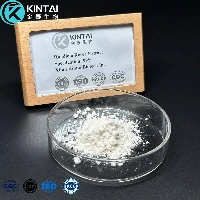
Pleurotus citrinopileatus Extract 1% Ergothioneine Powder

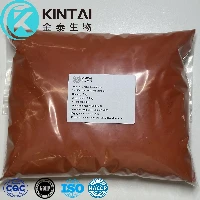
Pleurotus citrinopileatus Extract 1% Ergothioneine Powder
As a professional supplier of ergothioneine powder, KINTAIBIO® provides product information and procurement support to overseas ingredient buyers, cosmetic brands, and product formulators. Depending on applicable regulations and specific project requirements, the potential use of ergothioneine can be evaluated for applications in cosmetics, dietary supplements, functional foods, and other relevant product categories. Please feel free to contact us at sales@kintaibio.com for further information.