



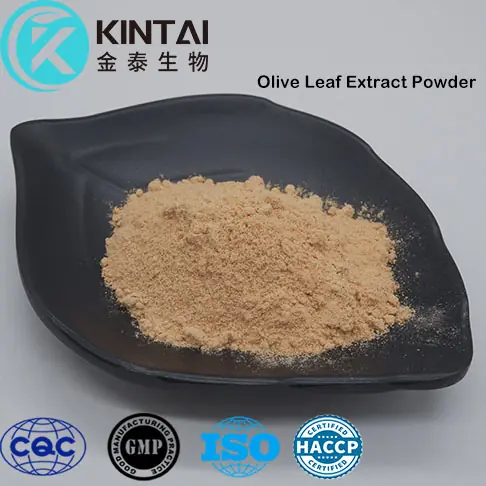
Xi'an Kintai Biotech Inc is one of the most experienced manufacturers and suppliers of olive leaf extract powder in China. Please feel free to wholesale high quality olive leaf extract powder for sale here from our factory. For price consultation, contact us.
Olive Leaf Extract Powder supplier/manufacturer
KINTAIBIO®'s Olive Leaf Extract Powder is a powdered botanical extract derived from the leaves of Olea europaea L. (the olive tree). It is produced through a rigorous process involving extraction, concentration, purification, and drying. Olive leaves are rich in various natural bioactive compounds, primarily oleuropein, hydroxytyrosol, flavonoids, and other phenolic constituents. Oleuropein is a characteristic secoiridoid compound found in olive leaves, while hydroxytyrosol-a natural phenolic compound featuring a catechol structure-exhibits excellent free-radical scavenging capacity and antioxidant properties.Hydroxytyrosol
| KINTAIBIO Flow Chart Of Olive Leaf Extract Powder | ||||
| Product Name | Source | Active Ingredient | Specifications | Test Method |
| Olive Leaf Extract Powder | Olive Leaf | Oleuropein | 20% |
HPLC |
| 60% | ||||
| 70% | ||||
| Hydroxytyrosol | 10% | HPLC | ||
| 20% | ||||
| Maslinic Acid | 10% | HPLC | ||
| 50% | ||||
| 90% | ||||
Contact Us Now To Get Samples!
KINTAIBIO® offers Olive Leaf Extract powders with varying concentrations of active ingredients. Our standardized specifications include oleuropein (20%, 40%, 60%, and 70%), hydroxytyrosol (10% and 20%), and maslinic acid (10%, 50%, and 90%). Products with high oleuropein content are primarily targeted at the markets for natural antioxidants, phytonutrient supplements, and functional food ingredients.
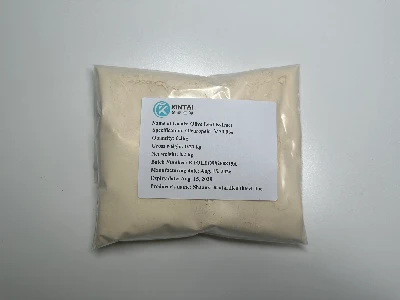
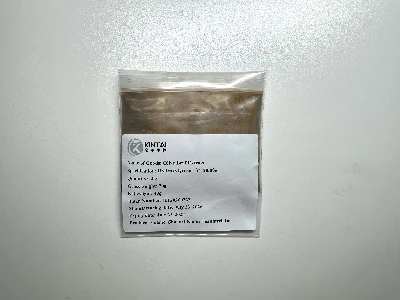

When sourcing these ingredients, the concentration of active components is not the sole indicator of quality; factors such as testing methodology, raw material sourcing, production processes, batch-to-batch consistency, and product stability are equally critical. For specific procurement projects, we provide tailored product specifications, technical documentation, and Certificates of Analysis (COA) for each batch. We also welcome discussions regarding customized requirements based on your specific quality standards. Please contact us at sales@kintaibio.com for further information on our Olive Leaf Extract powder.
Olive Leaf Extract Powder natural source
Our Olive Leaf Extract Powder is derived from Olea europaea L.-an evergreen tree belonging to the genus Olea in the family Oleaceae-which is a woody oil-bearing crop of significant economic value. Native to the Mediterranean region, the olive tree is primarily cultivated in countries such as Spain, Italy, Greece, Tunisia, Turkey, and Morocco. It is also grown in China-specifically in the provinces and regions of Gansu, Sichuan, Yunnan, and Guangxi-which serve as the primary sourcing locations for our products. The olive tree is highly adaptable to its environment; it features evergreen, leathery leaves that are lanceolate or oblong-elliptical in shape, with a deep green upper surface and a silvery-gray, scaly underside.
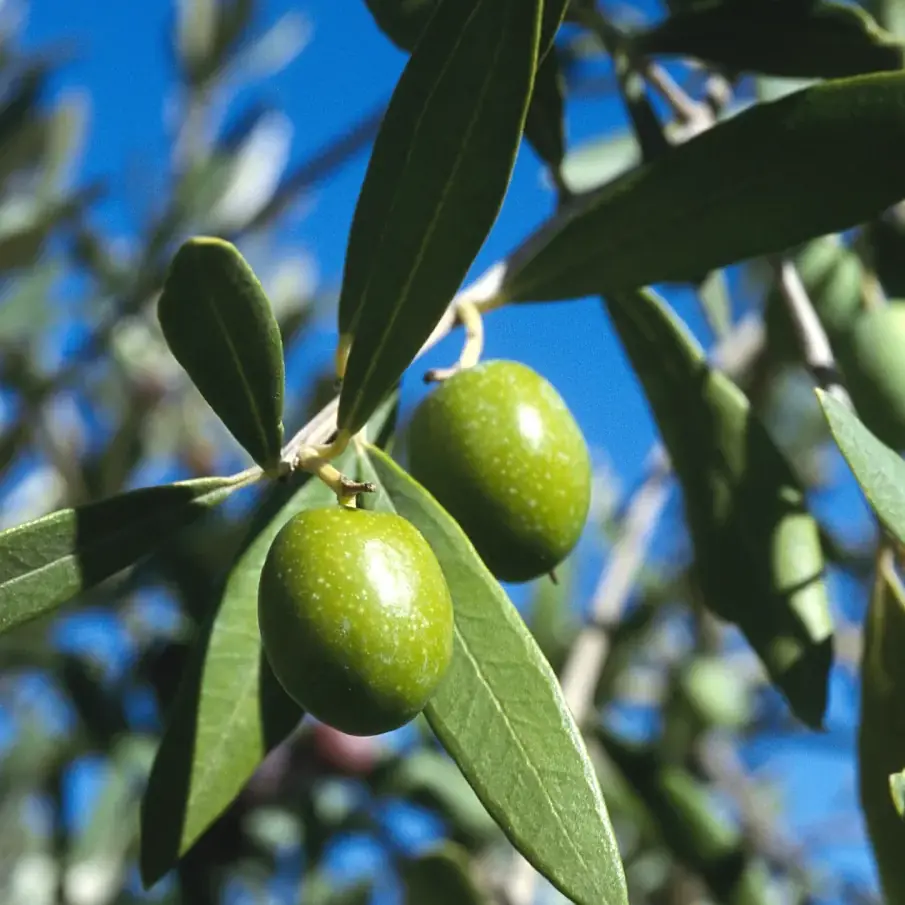
As a vital botanical resource associated with the production of olives and olive oil, olive leaves are rich in various natural, bioactive plant compounds. Among these, oleuropein-a representative secoiridoid compound-serves as a key quality control marker for olive leaf extract. Another component is a natural phenolic compound that exhibits potent antioxidant activity in vitro. Compared to the olive fruit or olive oil itself, olive leaves represent a superior raw material source for the industrial-scale extraction and enrichment of oleuropein.
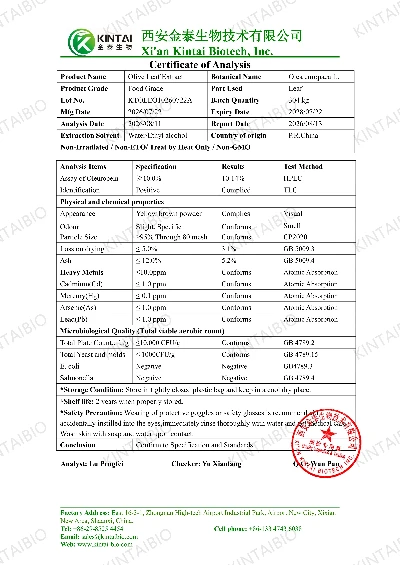
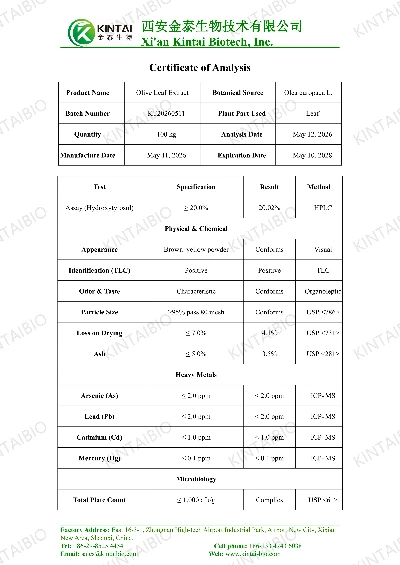
COA Of Olive Leaf Extract Powder
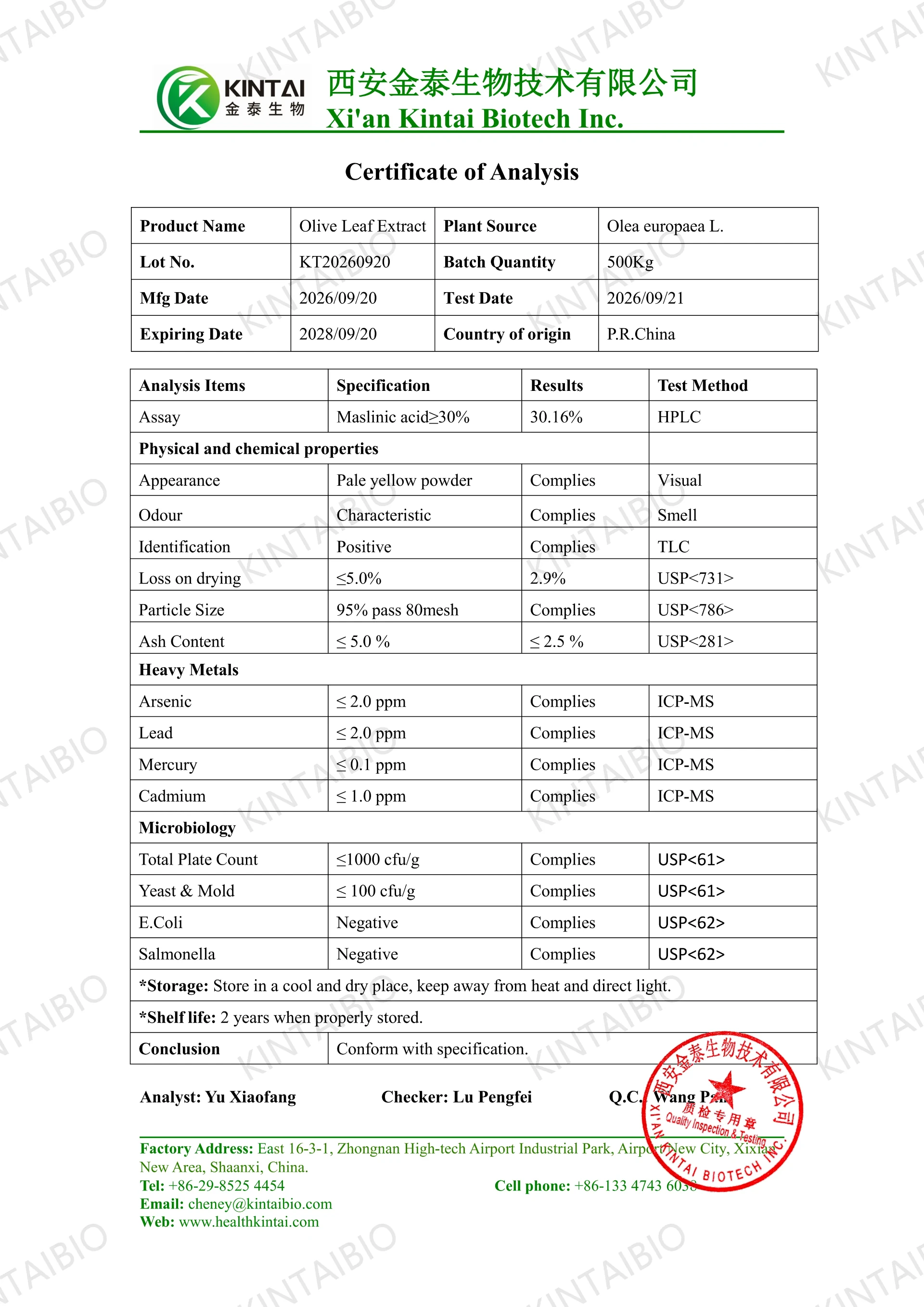
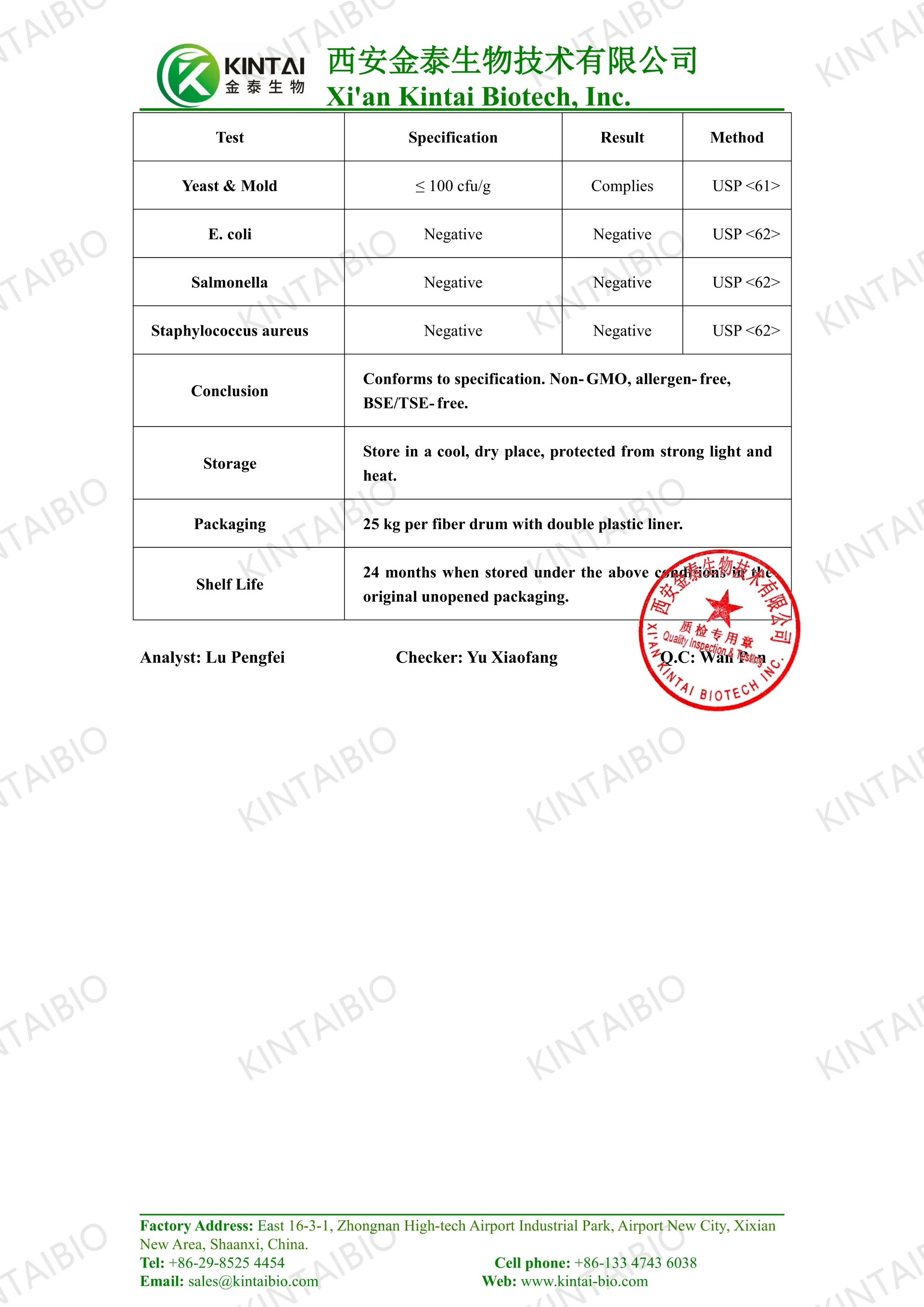
20%
How to make Olive Leaf Extract Powder?
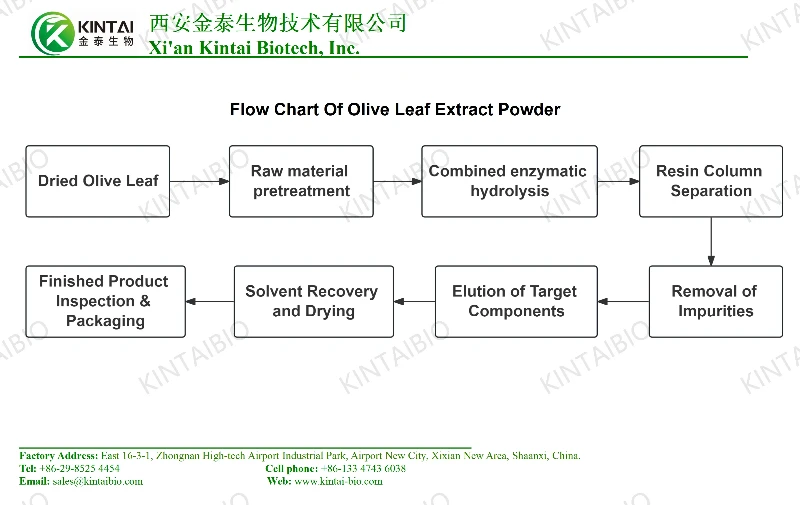
Raw Material Preparation
Olive leaves (Olea europaea L.) meeting production requirements are selected as the raw material. They are first soaked in a saturated saline solution for 1–2 hours to remove impurities adhering to the leaf surfaces. After soaking, the olive leaves are dried and pulverized, then passed through a 40–60 mesh sieve to obtain a fine powder with uniform particle size.
Enzymatic Hydrolysis
Water is added to the olive leaf powder at a ratio of 3–8 times the weight of the raw material (a 5-fold volume is preferred). A composite enzyme preparation-consisting of cellulase and alkaline protease-is then added, with the total enzyme dosage ranging from 0.5% to 2% of the raw material's weight; the preferred ratio of cellulase to alkaline protease is 1:3. The mixture undergoes enzymatic hydrolysis at 30–50°C for 0.5–2 hours. Once hydrolysis is complete, the mixture is filtered to collect the hydrolysate.
Resin Column Separation & Preliminary Purification
The filtered hydrolysate is passed through a neutral alumina column for separation and purification, with the column's diameter-to-height ratio maintained between 1:4 and 1:15. The column is first eluted with 1–3 column volumes of water, followed by 1–2 column volumes of 95% ethanol to remove water-soluble substances and other non-target impurities.
Elution & Collection of Target Compounds
Following preliminary purification, the target compounds are eluted using 6–10 column volumes of a mixture consisting of 0.2%–0.5% glacial acetic acid and 50% ethanol (prepared by combining the glacial acetic acid solution and the 50% ethanol solution in a 1:1 ratio). This acidic ethanol elution system facilitates the recovery and enrichment of the target compounds previously adsorbed onto the neutral alumina column.
Solvent Recovery & Microwave Vacuum Drying
The collected eluate is processed to remove glacial acetic acid and ethanol through evaporation, followed by microwave vacuum drying. The drying process is conducted under the following parameters: a temperature range of 40–60°C (with a hysteresis/differential of 2–4°C), a vacuum level of −0.07 MPa or greater, and a microwave power output of 10–80 kW. The drying duration is 100–150 minutes, yielding a dried extract rich in oleuropein.
Quality Testing & Packaging
Once drying is complete, the olive leaf extract undergoes quality testing, with a focus on its oleuropein content and other relevant quality indicators. Upon passing these tests, the product is packaged, labeled, and stored in accordance with specific product requirements and client specifications. The final result is an olive leaf extract powder suitable for use as a raw material in the development of dietary supplements, functional foods, and cosmetic products.
what does olive leaf extract do?
olive leaf extracts benefits
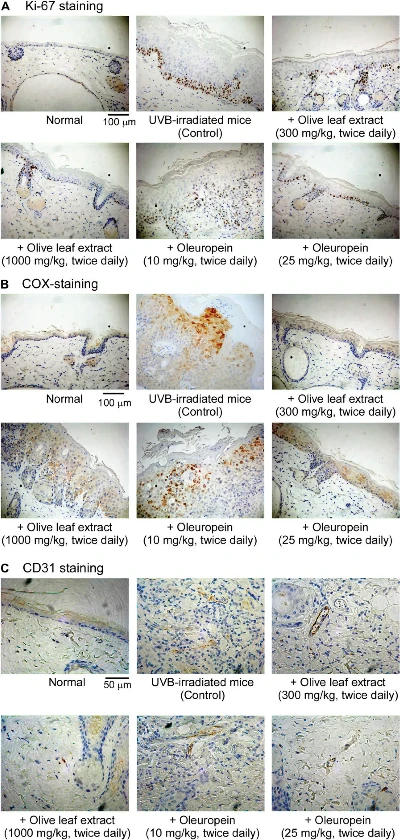
olive leaf extract for skin
Olive leaf extract and its primary active component, oleuropein, exhibit potential for skin photoprotection. Research has shown that in hairless mice subjected to long-term ultraviolet B (UVB) irradiation, oral administration of olive leaf extract or oleuropein significantly mitigates skin thickening and the loss of elasticity, while also inhibiting the development and growth of skin tumors. Further studies have demonstrated that olive leaf extract and oleuropein can reduce the expression of matrix metalloproteinases (MMP-2, MMP-9, and MMP-13) in skin tissue. They also suppress elevated levels of vascular endothelial growth factor (VEGF) and cyclooxygenase-2 (COX-2), as well as the increased expression of Ki-67- and CD31-positive cells.
These findings suggest that the active components in olive leaves may help alleviate skin tissue damage caused by chronic UVB exposure-and protect skin structure and elasticity-by modulating oxidative stress, inflammatory responses, and relevant cellular signaling pathways. Consequently, standardized Olive Leaf Extract Powder and oleuropein serve as potential natural, plant-derived antioxidant ingredients.
olive leaf extract and blood pressure
Olive leaf extract has garnered significant attention in the fields of blood pressure management and cardiometabolic health due to its potential cardiovascular protective effects. Research suggests that olive leaf extract may positively influence blood pressure regulation through mechanisms such as antioxidant activity, the modulation of vascular function, and the mitigation of oxidative stress. Findings from a study examining the effects of a combined supplementation of olive leaf extract and potassium on blood pressure and cardiometabolic markers indicate that this combination yields more pronounced improvements.
Furthermore, this combination has been associated with reductions in total cholesterol, low-density lipoprotein cholesterol (LDL-C), triglycerides, and oxidized LDL levels. Improvements in fasting insulin levels and the HOMA-IR (homeostatic model assessment for insulin resistance) index have also been observed, suggesting a potential positive impact on lipid metabolism, oxidative status, and insulin sensitivity. These findings provide further evidence from human studies supporting the use of Olive Leaf Extract Powder in dietary supplements aimed at promoting cardiovascular and metabolic health.
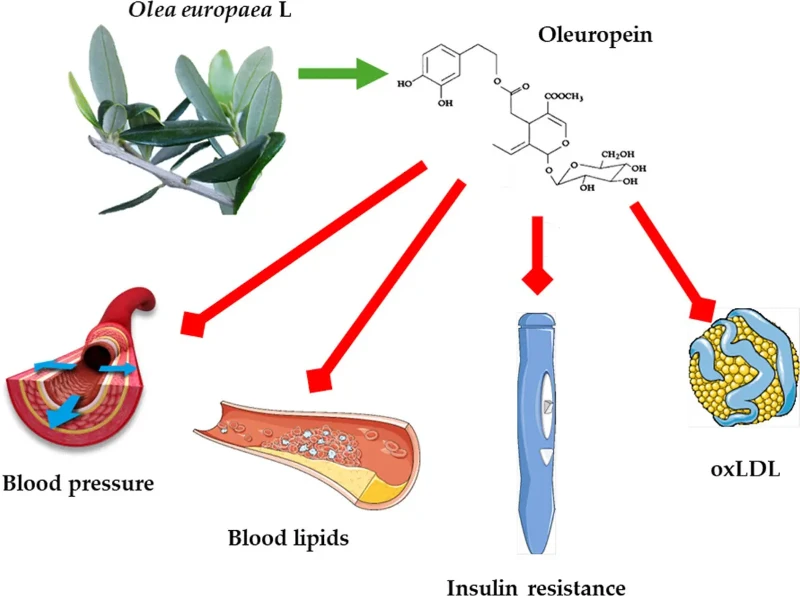
olive leaf extract for heart health
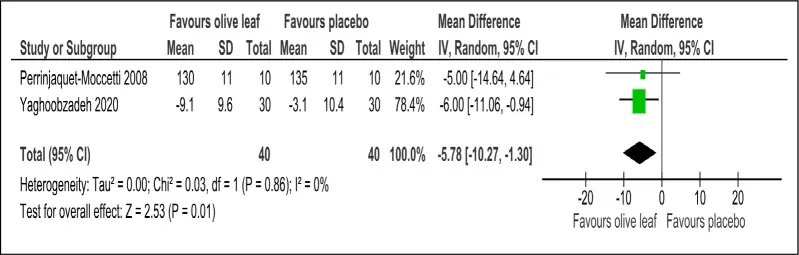
Olive leaf extract has also garnered sustained interest in the field of cardiovascular health. A meta-analysis evaluated the effects of olive leaf extract on cardiometabolic markers in adults with prehypertension or hypertension. The results indicated that daily intake of olive leaf extract for at least 8 weeks led to an average reduction in systolic blood pressure of approximately 5.78 mmHg. Some studies also observed a downward trend or significant changes in levels of LDL cholesterol, as well as cardiovascular-related inflammatory markers such as IL-6, IL-8, and TNF-α.
These findings suggest that organic olive leaf extract may contribute to cardiovascular health management by influencing processes such as blood pressure regulation, lipid metabolism, and inflammatory responses. However, the limited sample sizes in existing studies are insufficient to confirm its actual impact on the risk of cardiovascular disease or clinical outcomes.
olive leaf extract weight loss
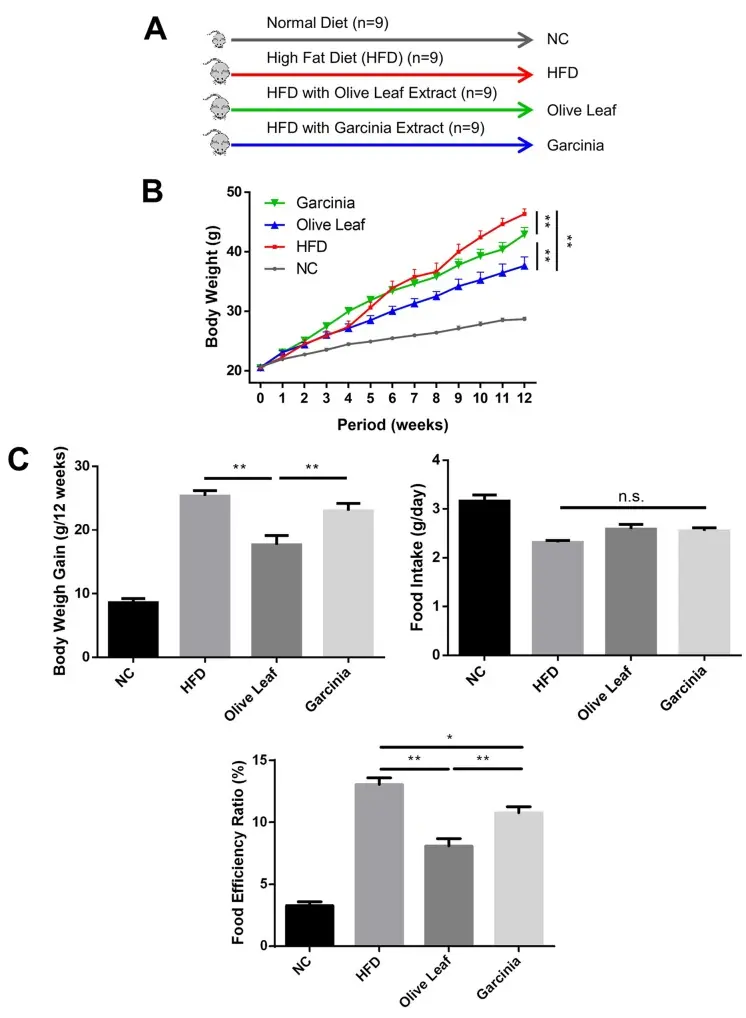
Olive leaf extract holds potential research value in the regulation of lipid metabolism and weight management. In an animal study using C57BL/6 mice fed a high-fat diet, supplementation with olive leaf extract was found to significantly inhibit weight gain, reduce visceral fat accumulation, and improve both serum lipid profiles and feed conversion efficiency.
The study further observed that intervention with olive leaf extract influenced the expression of molecules related to adipogenesis and thermogenesis, suggesting that it may contribute to the management of body weight and lipid homeostasis by modulating metabolic processes within adipose tissue. These findings provide preliminary experimental evidence for the potential application of Olive Leaf Extract Powder in weight management, metabolic health, and the development of functional nutritional products.
olive leaf extract and herpes
Olive leaf extract has garnered increasing attention in the field of developing natural, plant-based antiviral agents, owing to the antiviral activity it has demonstrated in in vitro studies. In particular, it has shown potential for application in the context of herpes simplex virus type 1 (HSV-1). One study involved a clinical intervention for patients with confirmed HSV-1 infections, comparing the topical application of an olive leaf extract cream against an acyclovir cream.
The results indicated that clinical symptoms improved in both groups. Compared to the acyclovir group, patients treated with the organic olive leaf extract experienced a lower incidence of symptoms-such as bleeding, itching, pain, local irritation, and skin discoloration-at certain observation time points, and the reported duration of treatment was shorter. This clinical study provides preliminary human-based evidence for the use of olive leaf extract in the development of skin care products for HSV-1-related conditions, while also prompting further scientific interest in its natural polyphenolic constituents and their underlying antiviral mechanisms.
Reference:https://www.sciencedirect.com/science/article/pii/S0022316622065889
https://www.sciencedirect.com/science/article/pii/S0944711326003727
https://pmc.ncbi.nlm.nih.gov/articles/PMC8035902/
https://www.sciencedirect.com/science/article/abs/pii/S1550830721000045
what is olive leaf extract used for ?
Olive leaf extract is rich in natural polyphenols such as oleuropein. Possessing biological activities-most notably antioxidant properties-it holds significant potential for development and application across sectors including nutritional health, food and beverages, cosmetics, and personal care.
Olive Leaf Extract Supplements
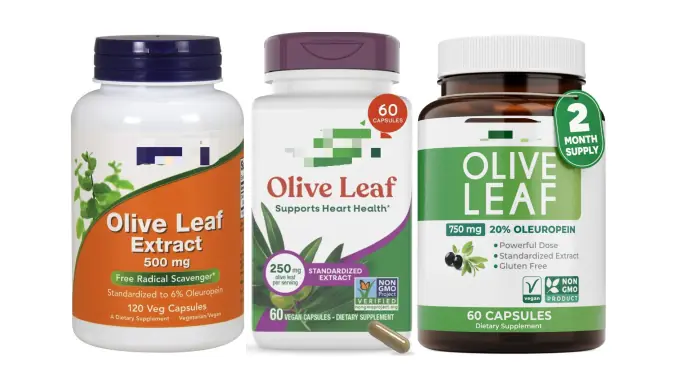
Standardized olive leaf extract is frequently used in the development of formulations for antioxidant support, general wellness, and cardiovascular health. Depending on product positioning and target market requirements, it can be processed into various dosage forms-such as capsules, pills, or tablets-or combined with other plant-based polyphenols and nutrients to create complex, multi-ingredient supplements.
Olive Leaf Extract in Cosmetics
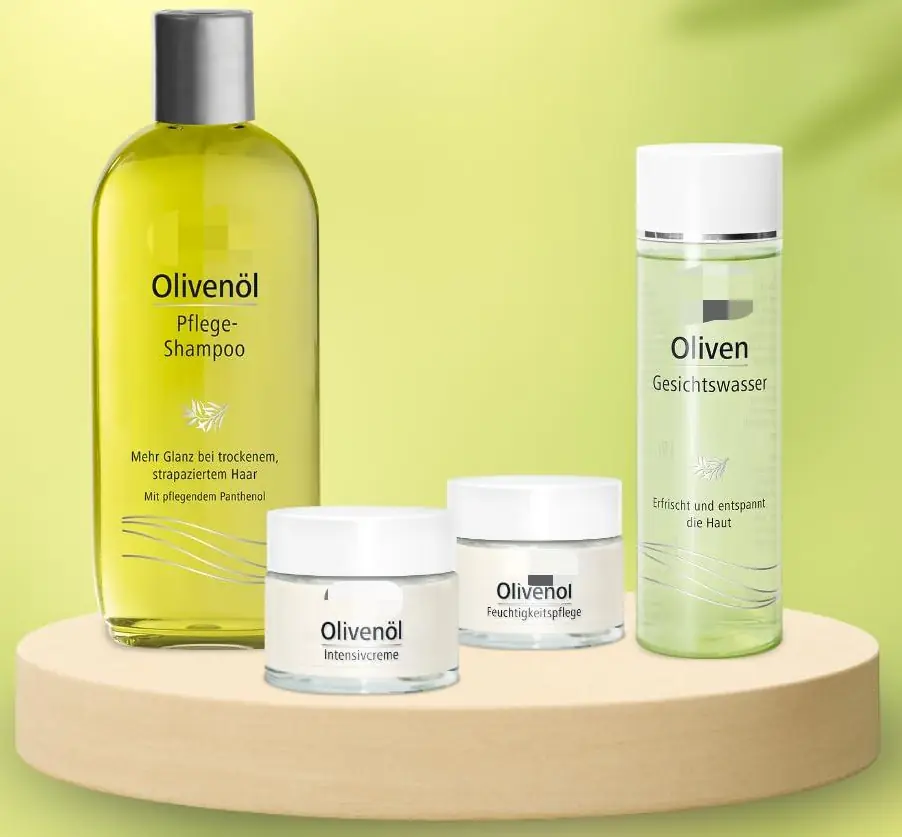
Pure olive leaf extract-particularly versions with high concentrations of oleuropein-is used in formulations designed for antioxidant care, skin barrier support, and protection against oxidative damage caused by environmental factors. It is suitable for use in face creams, serums, lotions, sunscreens, and after-sun products, serving as an active, plant-derived ingredient in topical applications.
Other Applications of Olive Leaf Extract
The polyphenolic components of olive leaf extract organic can be utilized in the development of products marketed for their natural antioxidant properties, as well as in functional foods. In the fields of pharmaceutical and functional ingredient research, the active compounds found in olive leaves have garnered attention for their potential anti-inflammatory, antibacterial, and cardiovascular-related benefits. Furthermore, Olive Leaf Extract Powder also shows promise for use in animal nutrition and as a feed additive.
Recommended Uses for Olive Leaf Extract:
For basic skincare products (toners, lotions, and creams), if using an extract with 10%–20% oleuropein, the recommended inclusion level is 0.5%–2.0%; for high-purity extracts (≥40% oleuropein), this should be reduced to 0.2%–0.8%. For products designed for sensitive skin or skin repair, an extract with 15%–20% oleuropein is recommended at a concentration of 0.3%–1.0%. In sun protection or after-sun care products, an extract with 10%–20% oleuropein should be used at 0.8%–2.5%. For oil-control and anti-acne products, an extract with 20%–30% oleuropein can be incorporated at 1.0%–3.0%.
(The above dosage recommendations are for reference only. Actual usage should be determined based on formulation stability, the target dosage form, and applicable regulatory requirements. Please contact sales@kintaibio.com for further information.)
Solubility of Olive Leaf Extract:
- Oleuropein: Slightly soluble in water, with solubility increasing marginally as water temperature rises. It is readily soluble in polar organic solvents such as methanol, ethanol, and acetone, and shows moderate solubility in common cosmetic solvents like propylene glycol and glycerin. It is suitable for use in aqueous solutions, alcoholic extracts, and cream-based formulations.
- Hydroxytyrosol: More water-soluble than oleuropein, it can dissolve in water to form a clear solution. It is highly soluble in polar solvents such as ethanol and propylene glycol, but has low solubility in oil-based solvents. It is best suited for water-based cosmetic systems, such as transparent serums and toners.
Olive Leaf Extract side effects,dosage,safety
- Safety of Olive Leaf Extract: Olive leaf extract (OLE) primarily contains active components such as oleuropein. Existing clinical studies and assessments by the European Medicines Agency (EMA) indicate that olive leaf preparations are generally well-tolerated when used appropriately; however, data regarding long-term, high-dose use-as well as safety in specific populations-remain limited.
- Side Effects of Olive Leaf Extract: There is currently no comprehensive or standardized data on the incidence of adverse reactions. Some research reports and clinical records mention side effects such as dizziness, coughing, headaches, and gastrointestinal discomfort. The specific nature of these reactions may depend on the composition of the extract, the dosage consumed, and individual differences. Individuals with a known allergy to olive leaves or related botanical components should avoid using such products.
- Olive Leaf Extract and Allergies: While olive tree pollen is a known respiratory allergen, a pollen allergy does not necessarily equate to a confirmed allergy to olive leaf extract. Individuals with a history of botanical allergies-or those who experience symptoms such as skin rashes, itching, or respiratory distress after use-should discontinue use and seek medical attention promptly.
- Is Olive Leaf Extract Safe for the Kidneys?: There is currently insufficient human research to confirm the long-term safety of Olive Leaf Extract Powder for individuals with varying levels of kidney function. The EMA advises that individuals with severe kidney disease, or those who require fluid intake restrictions, should not use medicinal olive leaf preparations (as defined within the scope of their assessment) without professional guidance. Those with impaired kidney function should consult a physician before deciding whether to use such products.
- Olive Leaf Extract During Pregnancy: Due to a lack of safety data regarding pregnancy and breastfeeding, the EMA does not recommend the use of medicinal olive leaf preparations during these periods. Individuals who are planning a pregnancy, are currently pregnant, or are breastfeeding should avoid using these supplements without medical advice.
- Does Olive Leaf Extract Interact with Medications?: Although there is a lack of definitive human clinical evidence confirming specific drug interactions, experimental and animal studies suggest that olive leaf extract may influence blood pressure and blood glucose levels. Consequently, individuals taking antihypertensive medications, insulin, or other blood-sugar-lowering drugs should consult a physician or pharmacist to assess potential additive effects and the risk of developing hypotension (low blood pressure) or hypoglycemia (low blood sugar).
- Olive leaf extract and alcohol: There is currently insufficient clinical evidence to establish a specific, definitive interaction between olive leaf extract and alcohol. Furthermore, existing research is inadequate to confirm the safety of consuming them together. It is advisable to avoid heavy alcohol consumption and to refrain from mixing the extract with alcoholic products.
- Olive leaf extract dosage: There is no universally recommended dosage applicable to all Olive Leaf Extract Powder products. Due to variations in raw material sources, oleuropein content, extraction processes, dosage forms, and intended research or therapeutic objectives, specific formulations should be determined based on the standardized content of active ingredients, the target population, the product's dosage form, and relevant regulatory requirements. Such products should undergo appropriate safety assessments, and their labels should provide clear guidance for consumer use.
where to buy olive leaf extract powder ?
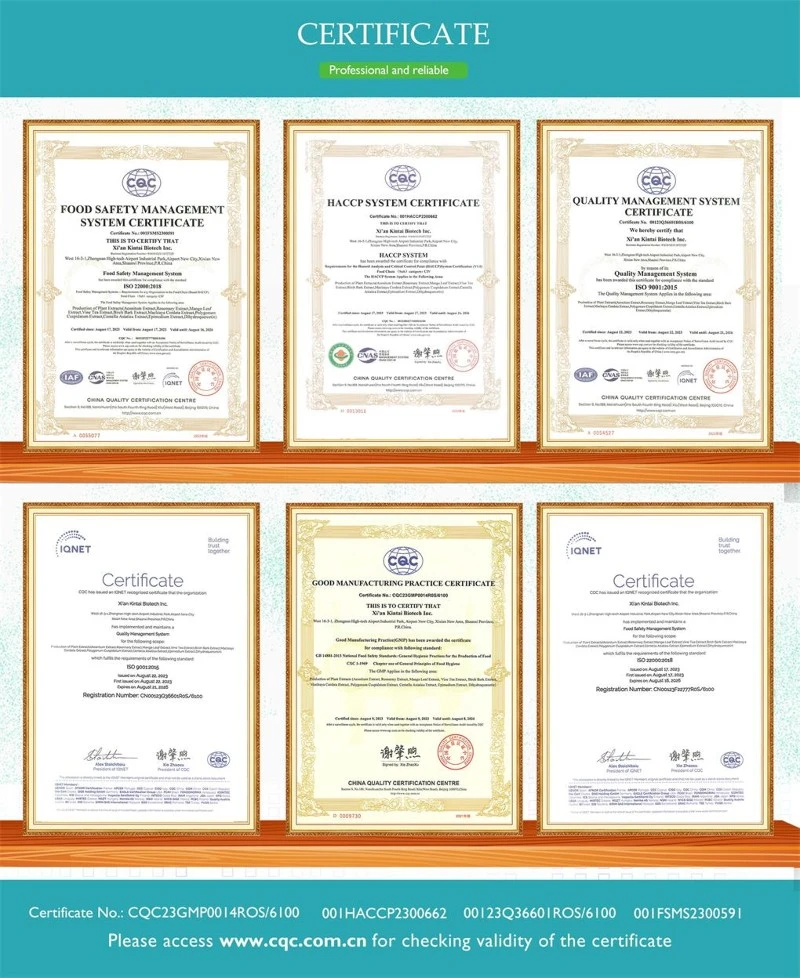
If you are looking for a reliable manufacturer of olive leaf extract or wish to source high-quality olive leaf extract directly from the source, KINTAIBIO is a partner worth considering. As a professional producer of Olive Leaf Extract Powder, we specialize in the R&D and manufacturing of botanical extracts and natural active ingredients. We offer standardized specifications, including Oleuropein (at 20%, 40%, 60%, and 70% concentrations) . We place a high priority on raw material quality, the concentration of active ingredients, and batch-to-batch consistency. Furthermore, we provide essential technical documentation-such as COAs, specifications, TDS, and SDS-tailored to your specific requirements.
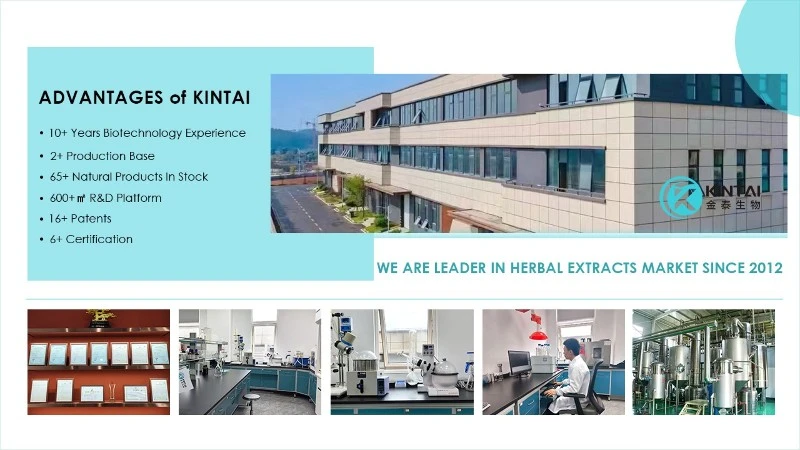
As the global demand for natural botanical active ingredients continues to grow, KINTAIBIO® is well-positioned to support your needs-whether you are searching for a local supplier or looking to source Olive Leaf Extract Powder directly from an overseas manufacturer. We offer comprehensive services, including sample evaluation, customized specifications, bulk procurement, and reliable, long-term supply. Please contact us at sales@kintaibio.com to obtain the latest product specifications, pricing, and samples, and to establish a stable, long-term partnership for your raw material sourcing.
FAQ
Q: Is olive leaf extract an antioxidant?
A: Olive leaf extract exhibits clear antioxidant activity in vitro, primarily due to the presence of oleuropein, hydroxytyrosol, and other polyphenolic compounds. These components can participate in redox reactions through various mechanisms-such as scavenging free radicals, modulating signaling pathways related to oxidative stress, and influencing lipid oxidation processes under experimental conditions. Among these, hydroxytyrosol has garnered significant attention due to its phenolic hydroxyl structure, while oleuropein serves as a common marker for quality control and standardization of olive leaf extracts. It should be noted that the antioxidant efficacy can vary significantly between different extracts.
Q: Does olive leaf extract lower blood sugar? Is it beneficial for diabetes?
A: There is a body of research regarding the role of olive leaf extract in glucose metabolism. Its primary active components have demonstrated the potential to influence glucose metabolism, insulin signaling, and mechanisms related to oxidative stress in in vitro and animal studies. However, findings from human clinical trials have been inconsistent. At present, it should not be considered a substitute for medical treatments or medications used to manage diabetes or control blood sugar levels. Individuals currently taking insulin or oral antidiabetic drugs should consult a physician before using olive leaf extract and should monitor their blood sugar levels closely.
Q: Is olive leaf extract effective for colds and coughs?
A: Olive leaf extract contains a variety of natural plant polyphenols that have shown antioxidant and antimicrobial properties in in vitro experiments, drawing interest for use in products aimed at supporting immune and respiratory health. Nevertheless, there is currently insufficient high-quality clinical evidence in humans to confirm that olive leaf extract can shorten the duration of the common cold, directly alleviate coughs, or treat respiratory infections. Furthermore, antiviral activity observed in a laboratory setting cannot be directly extrapolated to suggest that oral consumption can prevent or treat viral infections in humans.
Q: Can olive leaf extract cause headaches?
A: Headaches are not a definitively established or common adverse reaction to olive leaf extract; however, some users may experience discomfort such as headaches or dizziness. There is currently insufficient evidence to confirm that such headaches are directly caused by the extract itself. One factor to consider is the potential for changes in blood pressure. As some research suggests that olive leaf extract may have blood-pressure-lowering effects, individuals already taking antihypertensive medication should be mindful of the risk that their blood pressure could drop too low if they also use olive leaf extract. However, a headache alone is not sufficient evidence to conclude that low blood pressure has occurred. If you experience recurring headaches after taking the supplement, it is advisable to discontinue use and consult a healthcare professional. At the same time, consider other potential causes, such as lack of sleep, dehydration, adverse reactions to medication, or abnormal blood pressure levels.
Hot Tags: olive leaf extract powder, China olive leaf extract powder manufacturers, suppliers, factory


