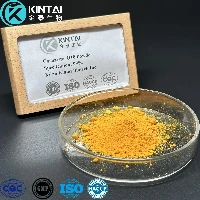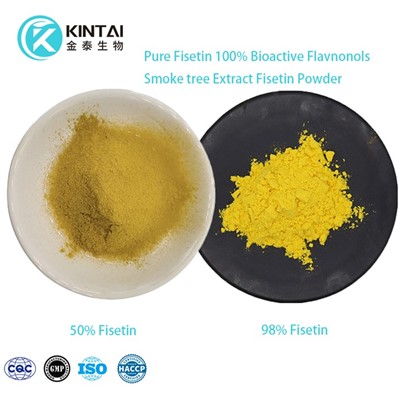


Kaempferol powder has been gaining attention in the health and wellness community for its potential therapeutic properties. This naturally occurring flavonoid, found in various fruits, vegetables, and herbs, has been the subject of numerous scientific studies exploring its diverse roles in human health. From its antioxidant capabilities to its potential anti-cancer properties, kaempferol powder is emerging as a promising compound in the field of nutraceuticals and functional foods. In this comprehensive guide, we'll delve into the multifaceted role of kaempferol powder, exploring its benefits, applications, and the scientific evidence supporting its use.

What are the health benefits of Kaempferol Powder?
Kaempferol powder has been associated with a wide array of health benefits, thanks to its potent antioxidant and anti-inflammatory properties. These properties form the foundation for many of its potential therapeutic effects, which have been the subject of extensive research in recent years.
One of the primary benefits of kaempferol powder is its strong antioxidant activity. Antioxidants play a crucial role in protecting our cells from oxidative stress, which is caused by an imbalance between free radicals and antioxidants in the body. Free radicals are unstable molecules that can damage cellular components, leading to various health issues and accelerated aging. Kaempferol acts as a powerful scavenger of these free radicals, helping to neutralize them and prevent cellular damage. This antioxidant effect is particularly important in reducing the risk of chronic diseases associated with oxidative stress, such as cardiovascular diseases, neurodegenerative disorders.
The anti-inflammatory properties of kaempferol powder are another significant aspect of its health benefits. Chronic inflammation is increasingly recognized as a key factor in the development of many diseases, including arthritis, diabetes, and heart disease. Kaempferol has been shown to modulate various inflammatory pathways in the body, potentially reducing the risk and severity of inflammation-related conditions. By inhibiting pro-inflammatory enzymes and cytokines, kaempferol may help alleviate symptoms associated with inflammatory disorders and promote overall health.

Cardiovascular health is another area where kaempferol powder shows promise. Studies have indicated that kaempferol may help improve heart health by reducing the risk of atherosclerosis, lowering blood pressure, and improving lipid profiles. Its ability to enhance the production of nitric oxide, a molecule that helps relax blood vessels, contributes to its potential cardioprotective effects. Additionally, kaempferol's antioxidant properties may help prevent the oxidation of LDL cholesterol, a key factor in the development of atherosclerosis.
Research has also suggested that kaempferol powder may have neuroprotective effects, potentially benefiting brain health and cognitive function. Its antioxidant and anti-inflammatory properties may help protect neurons from damage and reduce the risk of neurodegenerative diseases such as Alzheimer's and Parkinson's. Some studies have even indicated that kaempferol might enhance memory and learning capabilities, although more research is needed to fully understand these effects.

Kaempferol powder may also contribute to metabolic health. Some studies have suggested that it could help regulate blood sugar levels and improve insulin sensitivity, potentially benefiting individuals with or at risk of type 2 diabetes. Furthermore, its potential to modulate lipid metabolism may aid in weight management and reduce the risk of obesity-related complications.
Lastly, kaempferol has shown antimicrobial properties, which could be beneficial in fighting against various pathogens. This characteristic might make it a valuable component in natural preservatives or as a complementary approach to managing certain infections.
While the potential health benefits of kaempferol powder are extensive and promising, it's crucial to approach these findings with a balanced perspective. Many of the studies conducted on kaempferol have been in vitro or animal studies, and more human clinical trials are needed to fully understand its effects and optimal dosage in humans. Additionally, the bioavailability of kaempferol from dietary sources or supplements can vary, which may impact its effectiveness in the body.
How does Kaempferol Powder compare to other antioxidants?
When comparing kaempferol powder to other antioxidants, it's important to consider its unique chemical structure, bioavailability, and specific mechanisms of action. Kaempferol belongs to the flavonoid family, a group of polyphenolic compounds widely distributed in plants. While it shares some characteristics with other well-known antioxidants, kaempferol has distinct properties that set it apart.

One of the key factors in comparing antioxidants is their ability to neutralize free radicals and reduce oxidative stress. In this regard, kaempferol has shown impressive capabilities. Studies have demonstrated that kaempferol exhibits strong antioxidant activity, comparable to or even surpassing that of some more well-known antioxidants like vitamin C and vitamin E in certain contexts. Its structure, which includes multiple hydroxyl groups, allows it to effectively scavenge various types of free radicals, including superoxide anions, hydroxyl radicals, and peroxynitrite.
However, the effectiveness of an antioxidant in the body doesn't solely depend on its in vitro antioxidant capacity. Bioavailability – the extent to which a compound is absorbed and utilized by the body – plays a crucial role. In this aspect, kaempferol's performance is mixed. Like many flavonoids, kaempferol's bioavailability can be relatively low when consumed orally. This is due to factors such as limited absorption in the gut and rapid metabolism in the liver. However, research has shown that certain forms of kaempferol, particularly glycosides (kaempferol bound to sugar molecules), may have improved bioavailability compared to the aglycone form.
Compared to other flavonoids like quercetin and myricetin, kaempferol has shown some unique properties. For instance, while quercetin is often considered a more potent antioxidant in direct free radical scavenging assays, kaempferol has demonstrated superior effects in certain cellular models. This suggests that kaempferol's antioxidant activity may be particularly effective within living cells, possibly due to its interaction with cellular antioxidant systems or its ability to modulate gene expression related to antioxidant defenses.
Another important aspect to consider is the synergistic effects of antioxidants. In nature, kaempferol often occurs alongside other flavonoids and antioxidants. Studies have shown that combinations of different antioxidants can have more potent effects than individual compounds. For example, kaempferol has been found to work synergistically with quercetin and myricetin in inhibiting oxidative stress and inflammation. This highlights the importance of a diverse diet rich in various antioxidants rather than relying on a single compound.
In terms of stability, kaempferol has shown advantages over some other antioxidants. For instance, it tends to be more stable than ascorbic acid (vitamin C) under various processing and storage conditions. This stability makes kaempferol potentially more suitable for certain applications in food preservation and supplementation.
However, it's important to note that the effectiveness of an antioxidant can vary depending on the specific context and target of oxidative stress. For example, while kaempferol may outperform other antioxidants in certain cellular models or against specific types of free radicals, it might not be as effective in other scenarios. This variability underscores the importance of a diverse antioxidant intake rather than relying on a single "super" antioxidant.
When comparing the safety profile of kaempferol to other antioxidants, it generally appears to be well-tolerated. Unlike some antioxidants that can have pro-oxidant effects at high doses, kaempferol has shown a relatively low risk of such adverse effects. However, as with any bioactive compound, more research is needed to fully understand its long-term safety and potential interactions with medications or other supplements.
In practical terms, the comparison of kaempferol to other antioxidants also involves considering its sources and accessibility. While many common antioxidants like vitamin C and E are widely available in supplement form, kaempferol is primarily obtained through dietary sources or specialized supplements. This can make it more challenging to consume high doses of kaempferol compared to some other antioxidants, but it also encourages a more holistic approach to antioxidant intake through a varied diet.
What are the potential side effects of using Kaempferol Powder?
While kaempferol powder has shown numerous potential health benefits, it's crucial to consider the possible side effects and safety concerns associated with its use. As with any bioactive compound, kaempferol can interact with the body in complex ways, and its effects may vary depending on dosage, individual health status, and other factors.

One of the primary concerns with kaempferol powder, as with many potent antioxidants, is its potential to interfere with certain medications. Kaempferol has been shown to interact with various drug-metabolizing enzymes, particularly those in the cytochrome P450 family. These enzymes play a crucial role in the metabolism of many medications, and altering their activity can affect drug efficacy and safety. For instance, kaempferol has been found to inhibit CYP3A4, an enzyme involved in the metabolism of approximately 50% of all marketed drugs. This inhibition could potentially lead to increased blood levels of certain medications, enhancing their effects or side effects.
Specific drug interactions of concern include anticoagulants like warfarin. Kaempferol's potential to affect blood clotting mechanisms could enhance the effects of these drugs, potentially increasing the risk of bleeding. Similarly, its interaction with enzymes involved in estrogen metabolism suggests that kaempferol might interfere with hormone-based medications, including birth control pills and hormone replacement therapy. Individuals taking such medications should consult with their healthcare provider before using kaempferol supplements.
Gastrointestinal issues have been reported as potential side effects of high doses of flavonoids, including kaempferol. These can include nausea, bloating, and diarrhea. While such effects are generally mild and often associated with excessive intake, they underscore the importance of moderation in kaempferol consumption, particularly when using concentrated supplements.
The impact of kaempferol on pregnancy and breastfeeding is another area of concern. Due to limited research on its effects during these sensitive periods, pregnant and breastfeeding women are generally advised to avoid kaempferol supplements. The compound's ability to cross the placental barrier and its potential effects on fetal development are not yet fully understood, warranting a cautious approach.
High doses of kaempferol have been associated with potential pro-oxidant effects in some studies. While kaempferol is generally an antioxidant, under certain conditions (such as very high concentrations or in the presence of transition metals), it can paradoxically promote oxidative stress. This highlights the importance of appropriate dosing and the potential risks of excessive supplementation.
There's also a theoretical concern about kaempferol's impact on iron absorption. Like other flavonoids, kaempferol can bind to iron, potentially reducing its absorption in the gut. While this effect is generally not significant with normal dietary intake, individuals with iron deficiency or those at risk of anemia should be aware of this potential interaction, especially if considering high-dose kaempferol supplements.
Allergic reactions to kaempferol are rare but possible. As kaempferol is found in many common foods, most people who are sensitive to it would likely already be aware of their allergy. However, concentrated forms in supplements might trigger reactions in sensitive individuals.
It's important to note that many of the side effects and safety concerns associated with kaempferol powder are based on theoretical risks, in vitro studies, or animal research. Human clinical trials on the long-term safety of kaempferol supplements are limited, which means that some potential side effects may not yet be fully understood or documented.
The purity and quality of kaempferol powder supplements can also be a concern. As with many dietary supplements, kaempferol products are not strictly regulated in many countries. This can lead to issues with contamination, mislabeling, or inconsistent potency. Choosing products from reputable manufacturers and, ideally, those that have undergone third-party testing can help mitigate these risks.
Lastly, it's crucial to consider the potential for kaempferol to interact with other supplements or herbal products. Many individuals who use kaempferol supplements may also be taking other natural products, creating the potential for additive effects or interactions. For example, combining kaempferol with other potent antioxidants or herbs that affect hormone levels could potentially lead to unexpected effects.
In conclusion, while kaempferol powder shows promise in various health applications, it's not without potential risks and side effects. Most of these concerns are associated with high-dose supplementation rather than dietary intake from foods. As with any supplement, it's crucial to approach kaempferol use with caution, particularly for individuals with pre-existing health conditions or those taking medications. Consulting with a healthcare professional before starting any new supplement regimen is always advisable to ensure safety and appropriateness for individual health situations.
Our Kaempferol Powder Bulk has received unanimous praise from customers. If you would like to know more about this product, please feel free to contact Sales@Kintaibio.Com.
References
1. Wang, L., et al. (2018). The antioxidant and anti-inflammatory properties of kaempferol. Food Chemistry, 248, 255-263.
2. Calderon-Montano, J. M., et al. (2011). A review on the dietary flavonoid kaempferol. Mini Reviews in Medicinal Chemistry, 11(4), 298-344.
3. Devi, K. P., et al. (2015). Kaempferol and inflammation: From chemistry to medicine. Pharmacological Research, 99, 1-10.
4. Rajendran, P., et al. (2014). Kaempferol, a potential cytostatic and cure for inflammatory disorders. European Journal of Medicinal Chemistry, 86, 103-112.
5. Dabeek, W. M., & Marra, M. V. (2019). Dietary quercetin and kaempferol: Bioavailability and potential cardiovascular-related bioactivity in humans. Nutrients, 11(10), 2288.
6. Patel, R. V., et al. (2018). Therapeutic potential of quercetin as a cardiovascular agent. European Journal of Medicinal Chemistry, 155, 889-904.