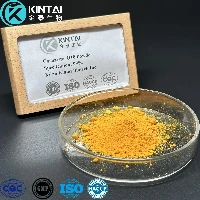


Chrysanthemum parthenium extract, also known as feverfew extract, is derived from the feverfew plant (Tanacetum parthenium). This perennial herb has been used for centuries in traditional medicine for its potential therapeutic properties. The extract is obtained from the leaves, flowers, and sometimes the stems of the plant, containing various bioactive compounds, including parthenolide, which is believed to be responsible for many of its health benefits.
What are the health benefits of Chrysanthemum Parthenium (Feverfew) Extract?
Chrysanthemum parthenium extract has been associated with several potential health benefits, making it a popular natural remedy for various conditions. While more research is needed to fully understand its effects, here are some of the most commonly reported benefits:
Migraine prevention: One of the most well-known uses of feverfew extract is in the prevention of migraines. Some studies have shown that regular consumption of feverfew may reduce the frequency and severity of migraine attacks. The active compound parthenolide is thought to inhibit the release of serotonin and prostaglandins, which are involved in the onset of migraines.
Anti-inflammatory properties: Feverfew extract has demonstrated significant anti-inflammatory effects in various studies. This property may be beneficial for conditions such as arthritis, where inflammation plays a key role. The extract's ability to inhibit the production of inflammatory mediators like prostaglandins and leukotrienes contributes to its anti-inflammatory action.
Potential cancer-fighting properties: Some research suggests that chrysanthemum parthenium extract may have anti-cancer properties. In vitro studies have shown that parthenolide and other compounds in feverfew can induce apoptosis (programmed cell death) in certain cancer cell lines. However, it's important to note that more research, especially human clinical trials, is needed to confirm these potential benefits.
Cardiovascular health: Feverfew extract may contribute to heart health by helping to reduce blood pressure and improve blood circulation. Some studies have indicated that it may help relax blood vessels, potentially leading to better cardiovascular function.
Digestive health: Traditional uses of feverfew include treating digestive issues such as stomach aches and indigestion. While scientific evidence is limited, some believe that the plant's anti-inflammatory properties may help soothe the digestive tract.
Menstrual pain relief: Some women use feverfew extract to alleviate menstrual cramps and reduce heavy menstrual bleeding. The plant's ability to inhibit prostaglandin production may contribute to these effects, although more research is needed to confirm its efficacy for this purpose.
While these potential benefits are promising, it's crucial to consult with a healthcare professional before using chrysanthemum parthenium extract, especially if you have existing health conditions or are taking medications.
How is Chrysanthemum Parthenium (Feverfew) Extract produced?
The production of chrysanthemum parthenium extract involves several steps to ensure the preservation of its active compounds and overall quality. Here's an overview of the typical production process:
Cultivation: Feverfew plants are grown in suitable climatic conditions, often in controlled environments to ensure optimal growth and chemical composition. The plants are typically harvested when they are in full bloom, as this is when the concentration of active compounds is highest.
Harvesting: The aerial parts of the plant, including leaves, flowers, and sometimes stems, are carefully harvested. This is usually done by hand or with specialized equipment to minimize damage to the plant material.
Drying: After harvesting, the plant material is dried quickly to prevent degradation of the active compounds. This can be done through air-drying in a well-ventilated area or using controlled drying chambers that maintain specific temperature and humidity levels.
Extraction: The dried plant material undergoes an extraction process to isolate the desired compounds. Common methods include:
- Solvent extraction: The plant material is soaked in a solvent such as ethanol or water to extract the active compounds. The solution is then filtered to remove plant debris.
- Supercritical CO2 extraction: This method uses carbon dioxide under high pressure and temperature to extract the desired compounds, resulting in a pure extract without solvent residues.
- Steam distillation: Although less common for feverfew, this method can be used to extract volatile compounds.
Concentration: The extracted solution is then concentrated through evaporation or other methods to remove excess solvent and increase the concentration of active compounds.
Standardization: To ensure consistent potency and quality, the extract is often standardized to contain a specific amount of key compounds, particularly parthenolide. This may involve blending different batches or further processing to achieve the desired concentration.
Quality control: The final extract undergoes rigorous testing to ensure purity, potency, and safety. This includes tests for contaminants, microbial content, and verification of active compound levels.
Packaging: The extract is then packaged in appropriate containers, often in light-resistant and airtight packaging to preserve its quality.
The production process may vary slightly depending on the manufacturer and the intended use of the extract (e.g., for dietary supplements, cosmetics, or research purposes). It's important to note that the quality and efficacy of the final product can be significantly influenced by factors such as the growing conditions of the plants, harvesting methods, and extraction techniques used.
What are the potential side effects of using Chrysanthemum Parthenium (Feverfew) Extract?
While chrysanthemum parthenium extract is generally considered safe for most people when used appropriately, it can cause side effects in some individuals. It's important to be aware of these potential adverse effects and to use the extract under the guidance of a healthcare professional. Here are some of the most commonly reported side effects and considerations:
Mouth and tongue irritation: One of the most frequently reported side effects is irritation of the mouth and tongue. This can include a tingling or burning sensation, mouth ulcers, or swelling of the lips, tongue, and mouth. These symptoms are more likely to occur when chewing fresh feverfew leaves, but can also happen with extract use.
Digestive issues: Some people may experience digestive discomfort when using feverfew extract. This can include nausea, vomiting, abdominal pain, bloating, and diarrhea. Starting with a low dose and gradually increasing it may help reduce these symptoms.
Allergic reactions: Individuals who are allergic to plants in the Asteraceae family (which includes daisies, chrysanthemums, and ragweed) may be more likely to experience allergic reactions to feverfew. Symptoms can range from mild skin irritation to more severe allergic responses.
Headaches: Paradoxically, while feverfew is often used to prevent migraines, some people report experiencing headaches when they start using the extract. This is more commonly reported when people abruptly stop using feverfew after long-term use, a phenomenon known as "post-feverfew syndrome."
Increased bleeding risk: Feverfew may have blood-thinning properties, which could increase the risk of bleeding or bruising, especially in people taking anticoagulant medications or those with bleeding disorders.
Interactions with medications: Chrysanthemum parthenium extract can interact with various medications, including:
- Blood thinners (e.g., warfarin, aspirin)
- Certain pain medications
- Some antidepressants
- Drugs metabolized by the liver
Pregnancy and breastfeeding concerns: Feverfew is not recommended for use during pregnancy as it may affect uterine contractions and potentially increase the risk of miscarriage. Its safety during breastfeeding is not well-established, so it's generally advised to avoid use during this time as well.
Cardiovascular effects: In some cases, feverfew may affect heart rate and blood pressure. People with cardiovascular conditions should consult their doctor before using feverfew extract.
Photosensitivity: Some individuals may experience increased sensitivity to sunlight when using feverfew, potentially leading to skin irritation or sunburn.
Long-term use considerations: While feverfew is generally considered safe for short-term use, the long-term effects of chronic use are not well-studied. Some experts recommend taking periodic breaks from using feverfew to avoid potential issues.
It's crucial to remember that the severity and occurrence of side effects can vary from person to person. Factors such as dosage, individual sensitivity, and overall health status can influence how someone responds to chrysanthemum parthenium extract. Additionally, the quality and purity of the extract can play a role in its safety profile.
Before starting to use feverfew extract, it's advisable to:
1. Consult with a healthcare professional, especially if you have existing health conditions or are taking medications.
2. Start with a low dose and gradually increase it to assess your tolerance.
3. Purchase extracts from reputable sources to ensure quality and purity.
4. Be aware of potential side effects and discontinue use if you experience adverse reactions.
5. Avoid use before surgery, as it may increase bleeding risk.
By being informed about the potential side effects and taking necessary precautions, you can make a more informed decision about whether chrysanthemum parthenium extract is appropriate for your health needs.
Our Chrysanthemum Parthenium Feverfew Extract Bulk has received unanimous praise from customers. If you would like to know more about this product, please feel free to contact Sales@Kintaibio.Com.
References:
1. Ernst, E., & Pittler, M. H. (2000). The efficacy and safety of feverfew (Tanacetum parthenium L.): an update of a systematic review. Public Health Nutrition, 3(4a), 509-514.
2. Pareek, A., Suthar, M., Rathore, G. S., & Bansal, V. (2011). Feverfew (Tanacetum parthenium L.): A systematic review. Pharmacognosy Reviews, 5(9), 103-110.
3. Diener, H. C., Pfaffenrath, V., Schnitker, J., Friede, M., & Henneicke‐von Zepelin, H. H. (2005). Efficacy and safety of 6.25 mg tid feverfew CO2‐extract (MIG‐99) in migraine prevention–a randomized, double‐blind, multicentre, placebo‐controlled study. Cephalalgia, 25(11), 1031-1041.
4. Pittler, M. H., & Ernst, E. (2004). Feverfew for preventing migraine. Cochrane Database of Systematic Reviews, (1).
5. Wider, B., Pittler, M. H., & Ernst, E. (2015). Feverfew for preventing migraine. Cochrane Database of Systematic Reviews, (4).
6. Johnson, E. S., Kadam, N. P., Hylands, D. M., & Hylands, P. J. (1985). Efficacy of feverfew as prophylactic treatment of migraine. British Medical Journal (Clinical Research Ed.), 291(6495), 569-573.
7. Awang, D. V. C. (1998). Feverfew. Canadian Pharmaceutical Journal, 131(7), 42-46.
8. Heptinstall, S., Awang, D. V., Dawson, B. A., Kindack, D., Knight, D. W., & May, J. (1992). Parthenolide content and bioactivity of feverfew (Tanacetum parthenium (L.) Schultz-Bip.). Estimation of commercial and authenticated feverfew products. Journal of Pharmacy and Pharmacology, 44(5), 391-395.
9. Mannix, L. K., Chandurkar, R. S., Rybicki, L. A., Tusek, D. L., & Solomon, G. D. (1999). Effect of ginger on menstrual pain: a placebo-controlled study. Alternative Therapies in Health and Medicine, 5(3), 83-84.
10. Ferri, F. F. (2021). Ferri's Clinical Advisor 2022. Elsevier Health Sciences.