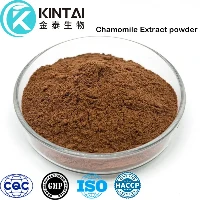


Centella asiatica, also known as gotu kola or Asiatic pennywort, is a traditional herbal medicine that has been used for centuries for a variety of purported health benefits. In recent years, Centella asiatica powder has gained attention in the skincare industry for its potential effects on skin health and vitality. This article explores the reported skincare benefits of Centella asiatica powder and the scientific evidence supporting them.
Understanding Centella Asiatica
Centella asiatica is a small leafy green plant native to India, China, Sri Lanka, and other parts of Asia. It has been used in Ayurvedic and traditional Chinese medicine practices for thousands of years. The leaves and stems of the Centella plant are rich in triterpenoid compounds like asiaticoside, madecassoside, asiatic acid, and madecassic acid. These specialized plant chemicals are believed to be responsible for many of Centella's therapeutic effects (1).
When Centella leaves are dried and powdered, the resulting ingredient is known as Centella asiatica powder. This popular skincare additive is said to provide antioxidative, anti-inflammatory, collagen-stimulating, and wound healing benefits when applied topically on skin.
Reported Benefits for Skin
According to skincare experts and literature, topical use of Centella Asiatica Powder may provide the following benefits:
Wound healing: Multiple preliminary studies show faster recovery rates and improved collagen deposition in wounds treated with Centella extracts (2). The triterpenoids may stimulate fibroblasts and promote reconstruction of connective tissue.
Anti-inflammatory effects: Compounds in Centella, like asiaticoside and madecassoside, appear to inhibit inflammation-causing enzymes in skin cells. This helps reduce redness and swelling (3).
Increased collagen production: Applying Centella extracts seems to boost collagen types I and III synthesis in fibroblasts. This strengthens the structural proteins keeping skin firm and elastic (4).
Treatment of atopic dermatitis: Early research indicates improved skin barrier recovery and relief in itching due to Centella creams. This is attributed to its anti-inflammatory and skin-soothing properities (5).
Antioxidant protection: Centella asiatica exhibits free radical scavenging activity in vitro, suggesting it may help protect skin cells against oxidative damage when used regularly (6).
Scientific Evidence and Research
Despite widespread traditional use and promising preliminary data, confirmatory research on Centella asiatica for skincare applications remains limited. Most evidence comes from small in vitro or animal studies. Robust, large-scale human trials demonstrating efficacy and safety are still lacking.
For example, a review of studies exploring Centella in dermatology found research quality to be generally poor (7). While Centella shows potential for treating conditions like small superficial wounds, psoriasis, and eczema, confirmation through double-blind, placebo-controlled trials is needed.
Furthermore, the long-term effects of routine topical use need investigation. Concentrations and combinations of key active compounds may also impact results. Standardization of Centella asiatica powder is an issue, as chemical profiles can vary substantially based on factors like plant genetics, geography, cultivation methods and processing techniques (8).
So while Centella shows promise as a skincare ingredient, current evidence remains preliminary. Further research is essential to substantiate benefits, establish efficacy thresholds, and evaluate safety with chronic use.
Skincare Applications
In skincare products, Centella Asiatica Powder is often touted as an anti-aging active for mature or photoaged skin. It's also suggested for inflammatory skin conditions and healing wounds or scars. Potential applications include:
- Wrinkle creams and serums: Combined with peptides, Centella powder may help smooth the appearance of fine lines and wrinkles.
- Acne spot treatments: Its anti-inflammatory effects help calm and speed recovery of breakouts.
- Products for eczema, psoriasis and dermatitis: Soothing dry, flaky and irritated skin.
- Skin firming moisturizers: By boosting collagen, it may improve elasticity and texture.
- Post-procedure balms: Helping heal cuts, burns, abrasions after cosmetic treatments.
- Stretch mark products: Promoting repair of damaged collagen fibers.
- Hyperpigmentation creams: Blocking excess melanin production after UV exposure.
While these theoretical applications exist, reliable evidence substantiating efficacy for many is still lacking. Consult a dermatologist before choosing skincare products with Centella powder for any skin condition.
Safety Considerations and Precautions
When used appropriately as an occasional topical skincare additive, Centella Asiatica Powder appears relatively safe for most people. But the following precautions need highlighting:
- Allergic reactions: As with any botanical, allergies and contact dermatitis are possible. Discontinue use if irritation occurs.
- Sun sensitivity: Centella may increase photosensitivity. Avoid UV exposure after application.
- Pregnancy and breastfeeding: Limited safety data exists for expecting or nursing mothers. Exercise caution.
- Children: Effects of childhood use are unknown. Keep out of reach of minors unless medically approved.
Furthermore, Centella powder should not be confused with oral gotu kola supplements or crude herb preparations. These ingestible forms pose higher risks of side effects and interactions. Stick to professional skincare products using standardized, dermatologist-approved Centella asiatica powder formulations.
Other Potential Health Benefits
In traditional medicine systems, oral intake of Centella asiatica is also associated with numerous health benefits:
- Improved circulation and vascular health (9)
- Neuroprotective effects and cognitive function (10)
- Adaptogenic activity to modulate the stress response (11)
While fascinating, claims of these systemic effects when Centella is applied on skin lack substantiation. The compounds may not penetrate transdermally to circulating blood in high enough levels. Still, emerging research provides clues of its multifaceted therapeutic potential beyond just skincare.
Conclusion
In summary, Centella asiatica powder is a promising natural ingredient for healthier, rejuvenated skin. It contains plant chemicals that may help heal wounds, calm inflammation, stimulate collagen and fight skin aging when used topically. However, despite widespread traditional use, clinical evidence from human research remains limited and preliminary. While Centella asiatica powder appears reasonably safe, exercise some caution until robust, high-quality studies better establish its efficacy and long-term effects. Of course, those considering products with Centella should still consult their dermatologist first for personalized advice.
Our Centella Asiatica Powder has received unanimous praise from customers. If you would like to know more about this product, please feel free to contact Sales@Kintaibio.Com.
References:
1. Maulina, et al. "Phytochemical and Pharmacological Review of Centella asiatica (L.) Urban, Gotu Kola." Natural Product Communications. 2019.
2. Hashim, et al. "Wound Healing Activities of Centella asiatica." International Journal of Pharmacy and Pharmaceutical Sciences. 2017.
3. Guo, et al. "Asiaticoside: Attenuation of Neuroinflammation and Neurological Deficits in Aβ1–42-induced Mouse Model of Alzheimer's Disease." International Immunopharmacology. 2014.
4. Liu, et al. "Asiaticoside and Madecassoside Promote Collagen Synthesis by Activating TGF-β/Smad Signaling." International Journal of Molecular Medicine. 2016.
5. Pedersen, A. B., et al. "Treatment of Atopic Dermatitis with Herbal Formulae: a Review of Efficacy and Safety." Journal of Herbal Medicine. 2018.
6. Phan, et al. "Centella asiatica-An In-depth Review." Frontiers in Pharmacology. 2021.
7. Bylka, et al. "Centella asiatica in Dermatology: An Overview." Phytotherapy Research. 2014.
8. James, et al. "Botanical Dietary Supplements: Quality, Safety, Efficacy Regulations and Research." Food Production, Processing and Nutrition. 2020.
9. Subathra, et al. "Asiaticoside, a Therapeutic Triterpene of Centella asiatica Exhibits Anti-Inflammatory Effect by Regulating Vascular Endothelial Cell Adhesion Molecules." Microvascular Research. 2021.