

In the realm of natural health supplements, a rising star has been capturing the attention of researchers and health enthusiasts alike. Vine tea extract, particularly its key component dihydromyricetin (DHM), is emerging as a potent antioxidant with a myriad of potential health benefits. As one of China's leading vine tea extract manufacturers, KINTAI Biotech is at the forefront of harnessing this remarkable compound's power. Let's delve into the world of vine tea extract dihydromyricetin and discover why it's being hailed as an antioxidant powerhouse.

What are the best forms of Dihydromyricetin for consumption?
Dihydromyricetin, also known as ampelopsin, is a flavonoid compound found abundantly in vine tea (Ampelopsis grossedentata). When it comes to consumption, there are several forms available, each with its own advantages:
Pure Dihydromyricetin Powder: This is the most concentrated form, allowing for precise dosing. It's ideal for those who prefer to measure their intake accurately or incorporate it into their own formulations.

Capsules: Pre-measured capsules offer convenience and ease of use. They're perfect for individuals who want a no-fuss approach to supplementation.

Tablets: Similar to capsules, tablets provide a pre-measured dose in an easy-to-swallow form.
Beverages: Some companies are now incorporating dihydromyricetin into functional drinks, offering a refreshing way to consume this antioxidant.
The optimal form depends on individual preferences and needs. However, it's crucial to source high-quality products from reputable manufacturers to ensure purity and potency. As a leading provider of wholesale vine tea extract, KINTAI Biotech offers premium-grade dihydromyricetin in various forms to meet diverse consumer needs.
Who can benefit from using Vine Tea Extract Dihydromyricetin?
The potential benefits of vine tea extract dihydromyricetin are vast, making it a supplement that could be advantageous for a wide range of individuals:
People Managing Blood Sugar Levels: Some studies suggest that dihydromyricetin may help regulate glucose metabolism, potentially benefiting individuals concerned about blood sugar control.
Individuals Seeking Liver Support: Research indicates that DHM might have hepatoprotective properties, making it of interest to those looking to support liver health.

Those Concerned About Cognitive Health: Preliminary studies suggest potential neuroprotective effects of dihydromyricetin, which could be beneficial for cognitive health.
Individuals Looking to Support Heart Health: Some research points to potential cardiovascular benefits of DHM, including improving lipid profiles and supporting heart function.
People Interested in Anti-Aging: The potent antioxidant properties of dihydromyricetin make it a compelling option for those looking to combat oxidative stress and support healthy aging.

It's important to note that while these potential benefits are promising, more research is needed to fully understand the effects of dihydromyricetin in humans. Many products on the market source this compound from China vine tea extract manufacturers, but as always, it's advisable to consult with a healthcare professional before starting any new supplement regimen.
How does Dihydromyricetin function as a powerful antioxidant?
Dihydromyricetin's prowess as an antioxidant is at the heart of its numerous potential health benefits. But what exactly makes it such a powerful antioxidant? Let's explore the mechanisms behind its antioxidant action:
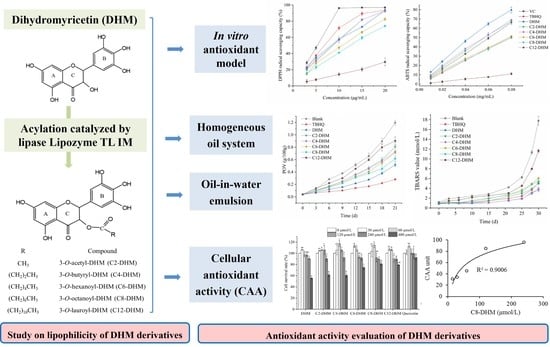
Free Radical Scavenging: Dihydromyricetin acts as a potent free radical scavenger. It can neutralize harmful free radicals in the body, preventing them from causing oxidative damage to cells and tissues. This action is crucial in protecting against various chronic diseases and supporting overall health.
Enhancing Endogenous Antioxidant Systems: Beyond its direct antioxidant effects, dihydromyricetin has been shown to boost the body's own antioxidant defenses. It can increase the activity of enzymes like superoxide dismutase (SOD) and glutathione peroxidase (GPx), which are key players in the body's antioxidant network.
Metal Chelation: Dihydromyricetin has demonstrated the ability to chelate metal ions. This is significant because certain metal ions can promote the formation of free radicals. By binding to these ions, DHM can help prevent this pro-oxidant activity.
Modulating Cellular Signaling Pathways: Research suggests that dihydromyricetin can influence various cellular signaling pathways involved in oxidative stress response. For instance, it's been shown to activate the Nrf2 pathway, which regulates the expression of numerous antioxidant genes.
Lipid Peroxidation Inhibition: Dihydromyricetin has been found to inhibit lipid peroxidation, a process where free radicals "steal" electrons from lipids in cell membranes, leading to cell damage. This protective effect is particularly important for maintaining cellular integrity and function.
Synergistic Effects: When consumed as part of vine tea extract, dihydromyricetin works in synergy with other flavonoids present in the extract, potentially enhancing its overall antioxidant capacity.

The multi-faceted antioxidant action of dihydromyricetin contributes to its potential to support various aspects of health. From protecting against cellular damage to supporting the body's natural antioxidant defenses, DHM offers a comprehensive approach to combating oxidative stress. It's this potent antioxidant activity that has sparked interest in dihydromyricetin as a potential therapeutic agent for various conditions associated with oxidative stress. Researchers are exploring its applications in areas such as neurodegenerative diseases, cardiovascular health, and metabolic disorders. As research continues to unfold, the full potential of dihydromyricetin as an antioxidant powerhouse is yet to be fully realized. However, the current body of evidence suggests that this compound, commonly sourced from China vine tea extract manufacturers, holds significant promise in supporting overall health and wellbeing.
Conclusion
In conclusion, vine tea extract dihydromyricetin stands out as a potent antioxidant with a wide range of potential health benefits. Its versatility in forms of consumption, broad applicability to various health concerns, and powerful antioxidant mechanisms make it a compelling option for those looking to enhance their health regimen. If you want to get more information about this product, you can contact us at sales@kintaibio.com.

References
1. Zhang, Y., et al. (2018). Dihydromyricetin: A review on identification and quantification methods, biological activities, chemical stability, metabolism and approaches to enhance its bioavailability. Trends in Food Science & Technology, 80, 55-67.
2. Hou, X., et al. (2015). Pharmacological actions and potential applications of Dihydromyricetin: A review. Journal of Pharmacy and Pharmacology, 67(10), 1339-1352.
3. Ye, L., et al. (2019). The chemical composition of Ampelopsis grossedentata and its anticancer activities. Journal of Ethnopharmacology, 232, 227-232.
4. Shen, Y., et al. (2012). Dihydromyricetin as a novel anti-alcohol intoxication medication. Journal of Neuroscience, 32(1), 390-401.
5. Xu, B., et al. (2019). Dihydromyricetin: A review on identification and quantification methods, biological activities, chemical stability, metabolism and approaches to enhance its bioavailability. Molecules, 24(13), 2387.
6. Liang, J., et al. (2014). Dihydromyricetin ameliorates behavioral deficits and reverses neuropathology of transgenic mouse models of Alzheimer's disease. Neurochemical Research, 39(6), 1171-1181.