

Pomegranates are not only valued for the high nutritional content of their juice and pulp; their peels are also rich in polyphenols, tannins, and other bioactive plant compounds. Given the abundance of constituents such as punicalagin, ellagic acid, ellagitannins, and gallic acid, pomegranate peel extract has increasingly attracted attention across the functional food, dietary supplement, health product, and botanical extract industries.

Traditionally, dried pomegranate peel has long been used for its astringent properties to treat conditions like diarrhea. Modern research has further explored the potential effects of pomegranate and its peel components-investigating areas such as antioxidant, anti-inflammatory, and antimicrobial activity, as well as gastric mucosal protection and intestinal barrier function. While findings suggest that pomegranate holds promising potential for gastric protection, further research is required to fully elucidate the underlying mechanisms and optimal methods of application. So, does pomegranate peel benefit the stomach? Through what specific mechanisms might pomegranate peel extract support gastrointestinal health?
As a professional manufacturer of botanical extracts, KINTAIBIO® supplies high-quality pomegranate peel extract powder to clients worldwide. If you are interested in pomegranate peel extract, please contact us at sales@kintaibio.com.
Pomegranate Peel Extract: Relevance to Gastrointestinal Health
Pomegranate peel is considered one of the parts of the pomegranate fruit richest in bioactive phytochemicals; polyphenols such as ellagitannins, punicalagin, and ellagic acid have garnered particular attention. These compounds possess documented antioxidant and anti-inflammatory properties, which is a key reason why pomegranates-and their various components-are studied for their impact on gastrointestinal health.
Notably, punicalagin is a characteristic ellagitannin found in pomegranates. Upon entering the gastrointestinal tract, ellagitannins and ellagic acid are not simply absorbed in their original forms. Research indicates that ellagitannins undergo hydrolysis during digestion to release ellagic acid; furthermore, the unabsorbed fractions interact with gut microbiota to generate metabolites such as urolithins.
Consequently, from the perspective of developing functional ingredients, pomegranate peel extract powder serves not only as a plant-based source rich in polyphenols and tannins but also as a natural substrate for studying the interplay between polyphenols, gut microbiota, and urolithins.
What are the benefits of pomegranate peel for the stomach?
May Help Protect The Gastric Mucosa
The gastric mucosa is constantly exposed to various factors, including gastric acid, digestive enzymes, oxidative stress, inflammation, and certain medications. When the balance between the mucosa's protective mechanisms and damaging factors is disrupted, the gastric mucosal barrier can become compromised, leading to further inflammation and tissue damage.
Current research on the gastroprotective effects of pomegranates is primarily based on *in vitro* and animal studies. These studies suggest that the potential gastroprotective effects of pomegranate extracts may be linked to reduced oxidative stress and lipid peroxidation, enhanced endogenous antioxidant defenses, and the modulation of inflammatory responses. Some studies have also observed changes in inflammation-related markers-such as TNF-α and IL-1β-as well as improvements in gastric tissue structure. Consequently, polyphenols and tannins found in pomegranate peel may contribute to protecting the gastric mucosa through antioxidant and anti-inflammatory pathways.
May Help Reduce Gastrointestinal Oxidative Stress
Oxidative stress is a frequently studied mechanism underlying gastrointestinal injury. An imbalance between the production of reactive oxygen species (ROS) and the body's antioxidant defense capacity can lead to oxidative damage to cell membrane lipids, proteins, and other biomolecules, further interacting with inflammatory processes.
Pomegranate peel is rich in polyphenolic compounds, with punicalagin and ellagic acid receiving significant research attention. Studies suggest that the polyphenols in pomegranate possess potent antioxidant activity and may play a role in modulating processes associated with oxidative stress.
May Help Regulate Gastrointestinal Inflammation
The polyphenolic compounds found in pomegranates and their peels are supported by research demonstrating their anti-inflammatory properties; studies utilizing various models-including cell cultures and animal subjects-have investigated their effects on inflammation-related pathways and factors. More recent research has specifically focused on the relationship between pomegranate peel extract, intestinal inflammation, and the intestinal barrier.
Studies have shown that pomegranate peel extract is rich in punicalagins A and B, as well as other polyphenols. In LPS-induced Caco-2 cell models, the extract reduced the release of ROS and LDH while increasing ZO-1 expression; it also modulated inflammation-related markers such as COX-2, NF-κB, TNF-α, and IL-1β. Based on these findings, researchers suggest that pomegranate peel extract powder demonstrates potential for providing antioxidant and anti-inflammatory effects and for improving intestinal barrier integrity.
Pomegranate Peel Extract and Gut Health
Potential to Support the Intestinal Barrier
The intestinal barrier is a crucial component in maintaining the normal physiological environment of the gastrointestinal tract. Intestinal epithelial cells and their tight junctions help regulate nutrient absorption while limiting excessive exposure of the intestinal mucosa to harmful substances, microorganisms, and inflammatory stimuli. In recent years, the relationship between pomegranate polyphenols and the intestinal barrier has emerged as a new area of research.
Studies on pomegranate peel extract have shown that, in an LPS-induced injury model using Caco-2 cells, the extract reduced markers of oxidative damage and increased the expression of ZO-1; researchers observed an improvement in intestinal barrier integrity as a result. These findings suggest that pomegranate peel extract powder is relevant not only to the stomach but also plays a role in broader gastrointestinal health research by influencing the intestinal barrier, oxidative stress, and inflammation.
Pomegranate Peel Polyphenols and Gut Microbiota
The absorption rates of ellagitannins and ellagic acid in humans are relatively limited; consequently, significant amounts reach the gut, where they interact with gut microorganisms. These microorganisms can further metabolize the polyphenols into urolithins. However, as gut microbiota composition varies among individuals, there are marked differences in the capacity to produce urolithins.
Review articles on pomegranates and gut microbiota further indicate a potential bidirectional interaction: on one hand, gut microorganisms participate in the transformation of pomegranate polyphenols; on the other, these polyphenols may influence the gut microbial community and its metabolic environment. Research has also linked urolithins to gut barrier function and the regulation of inflammation.
Where can you buy pomegranate peel extract for Stomach?
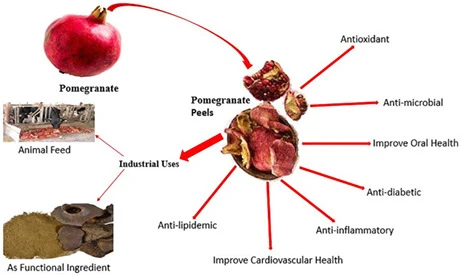
Current research indicates that pomegranate peel is rich in punicalagin, ellagic acid, tannins, and other polyphenols-compounds supported by evidence of antioxidant, anti-inflammatory, and other biological activities. Animal and *in vitro* studies further suggest that pomegranate and its peel extract may offer potential benefits such as gastric mucosal protection, anti-ulcer effects, and relief from diarrhea. However, as clinical evidence regarding the use of pomegranate peel for human gastrointestinal health remains limited, pomegranate peel extract powder is best positioned as a standardized botanical polyphenol ingredient with potential for gastrointestinal health research.
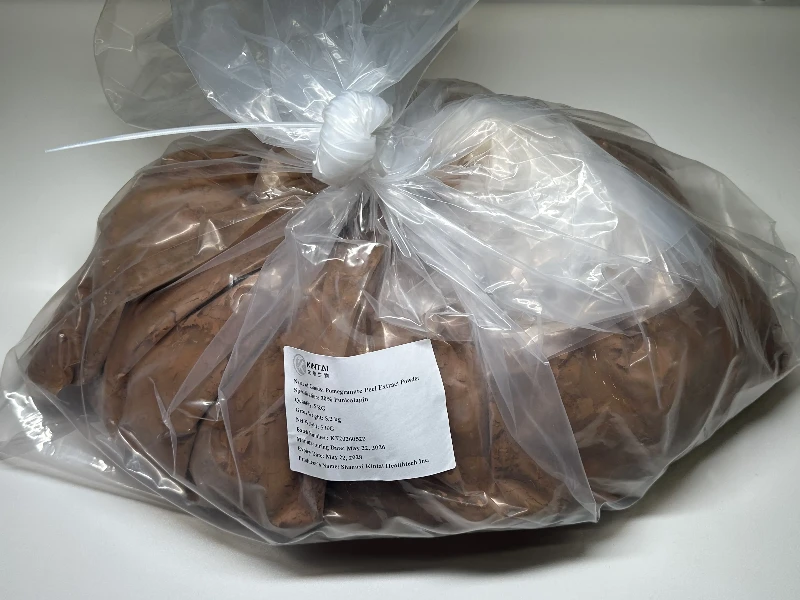
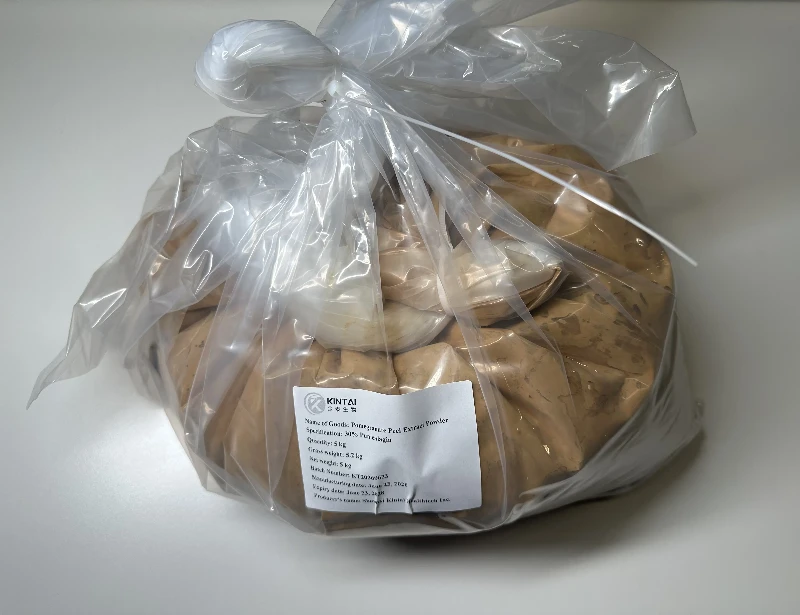
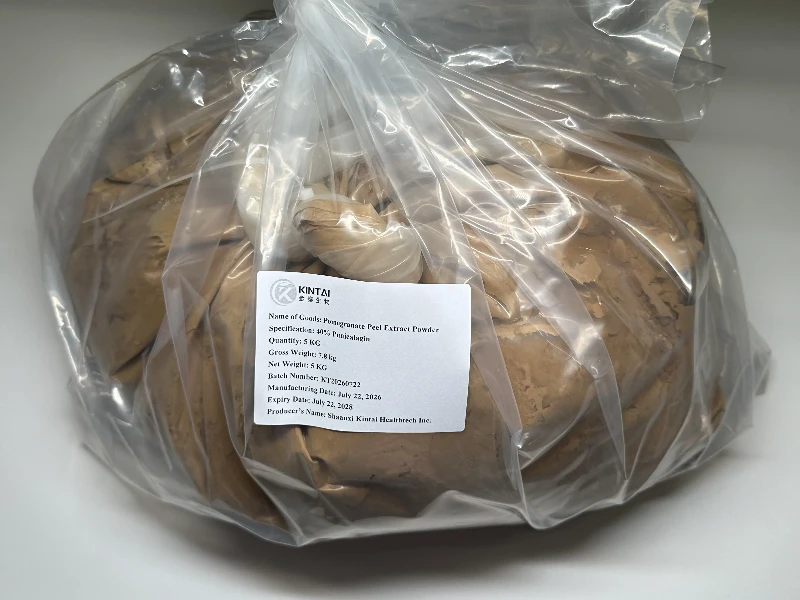
As a manufacturer of pomegranate peel extract powder, KINTAIBIO® offers various standardized specifications to meet diverse product development needs. These include Pomegranate Peel Polyphenols (40% and 60%) and Ellagic Acid (40%), as well as Punicalagin (20%, 30%, and 40% [α+β isomers]). Regarding quality control, we employ appropriate analytical methods-such as HPLC and UV-to verify active ingredient content based on specific product standards. We also provide comprehensive documentation, including COAs, TDS/Specifications, SDS/MSDS, test reports, and batch-specific quality records, tailored to your project requirements.
If you are seeking pomegranate peel extract powder for dietary supplements, functional foods, botanical polyphenol products, or gastrointestinal health research projects, please contact sales@kintaibio.com to obtain product specifications, COAs, and relevant technical information.
FAQ
Q: Can pomegranate peel help with diarrhea?
A: Traditional uses of pomegranate peel indeed include astringent effects on the intestines and the treatment of diarrhea; this traditional application has also attracted attention in modern experimental research. An animal study involving pomegranate peel utilized bioactivity-guided fractionation to isolate various components. The study found that fractions rich in punicalagin, corilagin, and ellagic acid exhibited antidiarrheal activity, suggesting that these compounds may collectively contribute to the antidiarrheal effect of pomegranate peel. However, this study does not directly prove that pomegranate peel extract can treat diarrhea in humans. In cases of persistent or severe diarrhea-particularly when accompanied by fever, dehydration, bloody stools, or significant abdominal pain-medical evaluation should be sought first; plant extracts should not be used as a substitute for proper medical diagnosis and treatment.
Q: Is pomegranate peel good for digestion?
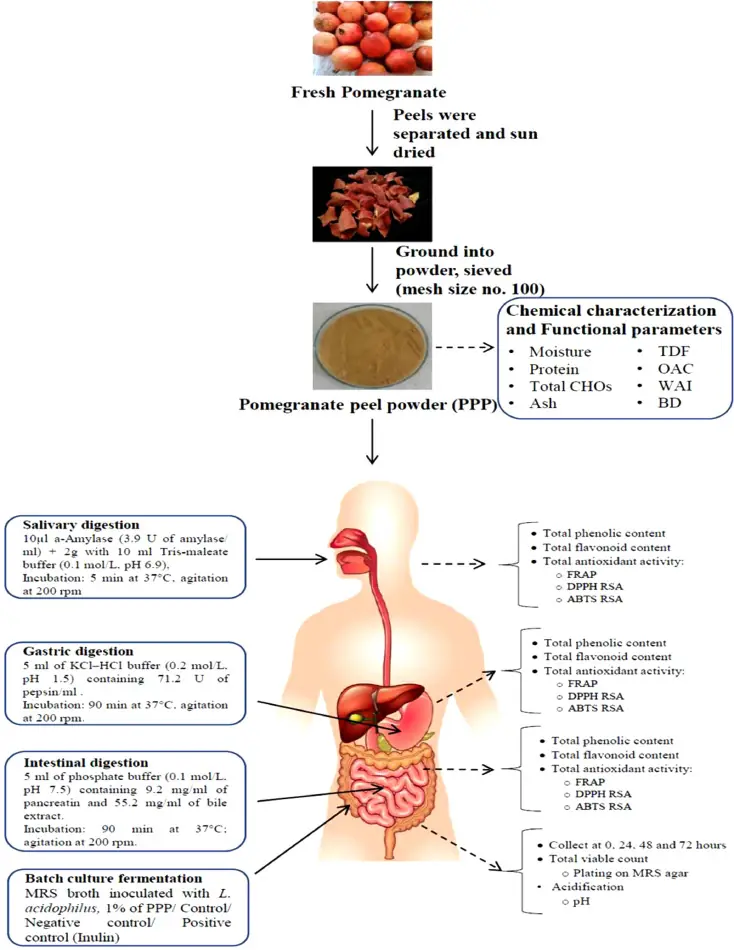
A: The relationship between pomegranate peel and digestive health can be understood primarily through three aspects: the digestion of polyphenols, metabolism by gut microbiota, and the integrity of the intestinal barrier. Ellagitannins in pomegranate peel undergo changes during gastrointestinal digestion; some components reach the colon and are metabolized by gut microorganisms. Relevant studies have also shown that pomegranate peel continues to release various phenolic compounds after in vitro digestion and exhibits high polyphenol-related activity within colonic fermentation systems.