

Hypertension is a common chronic health issue globally and a significant risk factor for cardiovascular disease. Persistently high blood pressure places an increased burden on the heart and vascular system, and is closely linked to health risks such as coronary heart disease, stroke, heart failure, and chronic kidney disease. The World Health Organization (WHO) notes that hypertension often presents no obvious symptoms; many individuals may live with high blood pressure for long periods without realizing it. Consequently, regular blood pressure monitoring, the timely identification of abnormalities, and proper management are essential.
As consumer interest in plant-based nutrition and natural active ingredients grows, polyphenol-rich plant extracts have become a key area of focus in the development of nutritional and health products. Olive Leaf Extract (OLE), in particular, has garnered attention from researchers due to its antioxidant properties and potential benefits for vascular function, attributed to natural active components such as oleuropein and hydroxytyrosol. Can Olive Leaf Extract assist in blood pressure management? This article explores the active components of Olive Leaf Extract and the mechanisms through which it may exert its effects.
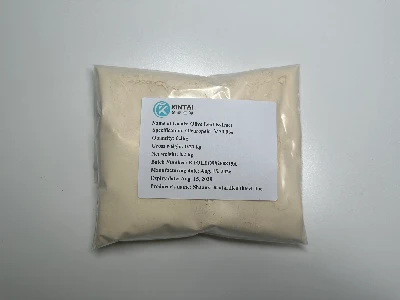

KINTAIBIO® is a professional manufacturer of Olive Leaf Extract powder. We offer standardized specifications including oleuropein (20%, 40%, 60%, and 70%), hydroxytyrosol (10% and 20%), and maslinic acid (10%, 50%, and 90%). If you are interested in these products, please feel free to contact us at sales@kintaibio.com.
Olive Leaf Extract Bioactive Compounds
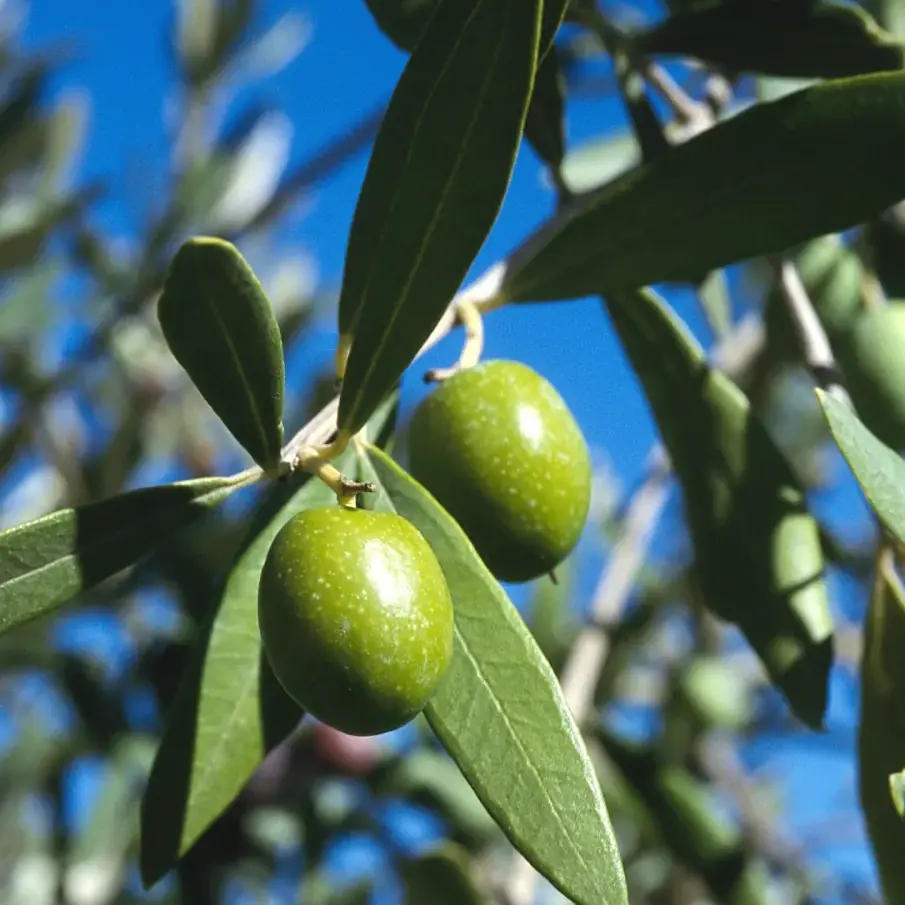
Olive leaf extract is derived from the olive tree (Olea europaea L.), a member of the Oleaceae family that is widely distributed throughout the Mediterranean region and serves as a plant resource of significant economic and nutritional value. Olive leaves are a rich source of natural polyphenolic compounds, containing an abundance of secoiridoid glycosides, polyphenols, and flavonoids. Consequently, they are extensively studied and utilized in the development of botanical extracts, dietary supplements, and functional food ingredients. Through appropriate extraction, concentration, and drying processes, it is possible to obtain a powder from olive leaves that is rich in specific bioactive plant constituents.
Oleuropein: The Most Representative Active Component in Olive Leaf Extract
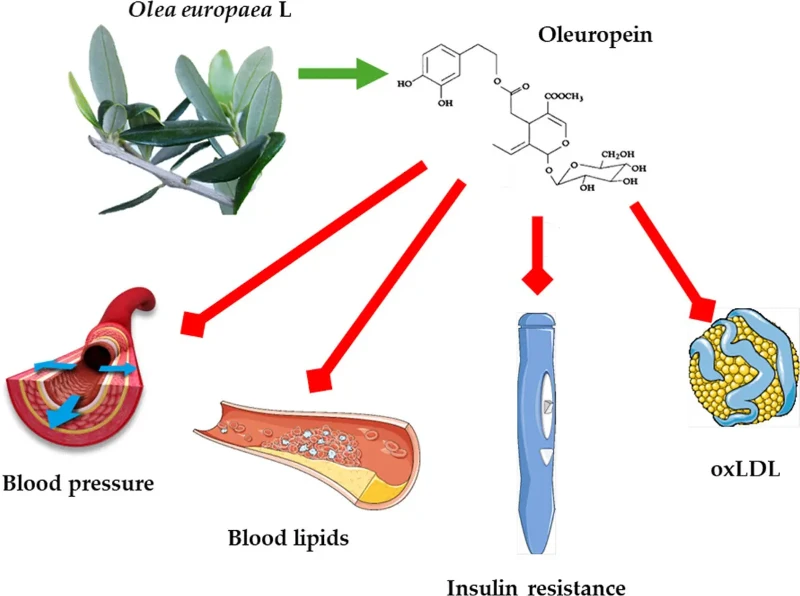
Oleuropein is one of the most representative active components found in olive leaves and belongs to the class of compounds known as secoiridoid glycosides. Extensive fundamental research indicates that oleuropein possesses antioxidant activity and plays a role in regulating biological processes associated with oxidative stress. Furthermore, some studies have explored the effects of oleuropein on the activity of angiotensin-converting enzyme (ACE), inflammatory responses, and signaling pathways related to vasodilation.
Other Notable Active Components
In addition to oleuropein, olive leaf extract may contain other bioactive plant substances, such as hydroxytyrosol, tyrosol, luteolin, apigenin, and their glycoside derivatives. Among these, hydroxytyrosol-a phenolic compound with potent antioxidant activity-has garnered significant attention in research concerning the regulation of oxidative stress, cellular protection, and vascular endothelial function. As hydroxytyrosol is also involved in the metabolic conversion of oleuropein within the body, both compounds frequently appear together in studies on olive polyphenols. Luteolin and apigenin belong to the flavonoid class; fundamental research into these compounds covers areas such as antioxidant activity, the regulation of inflammation, and vascular-related physiological processes. The content of these various components in olive leaves is not fixed; their composition is influenced by factors including the plant variety, growing environment, timing of harvest, storage conditions of the raw material, and the extraction process employed.
How Does Olive Leaf Extract Help Manage High Blood Pressure?
Olive leaf extract has garnered attention in the field of cardiovascular health research, primarily due to its content of oleuropein, hydroxytyrosol, and other polyphenols. Existing in vitro and animal studies suggest that these compounds may contribute to the regulation of vascular function by influencing the angiotensin-converting enzyme (ACE), oxidative stress, endothelial function, and signaling pathways related to nitric oxide (NO). However, there is currently insufficient evidence to confirm that these mechanisms fully account for the changes in blood pressure observed in human populations following the use of olive leaf extract.
Potential ACE Inhibition
The renin-angiotensin system (RAS) is a vital physiological system in the human body that regulates blood pressure and fluid balance. Angiotensin II promotes the contraction of vascular smooth muscle and stimulates the secretion of aldosterone, which increases the reabsorption of sodium and water by the kidneys, thereby affecting blood volume and blood pressure levels. Experimental studies have suggested that oleuropein and related phenolic compounds found in olive leaf extract may possess ACE-inhibitory activity; theoretically, this could influence the production of angiotensin II and associated vascular regulatory processes. This offers a potential explanation for the relationship between olive leaf extract and blood pressure management.
Oxidative Stress Reduction
Oleuropein and hydroxytyrosol, components of olive leaf extract, are well-studied for their antioxidant properties. Basic research indicates that these plant polyphenols can scavenge free radicals, modulate cellular redox status, and potentially influence cell signaling pathways linked to oxidative stress. Theoretically, mitigating an environment of oxidative stress may help maintain the normal function of the vascular endothelium, thereby supporting vascular health.
Nitric Oxide Production
Nitric oxide (NO) is a key signaling molecule involved in the regulation of vascular tone, primarily produced through the catalytic action of endothelial nitric oxide synthase (eNOS) within vascular endothelial cells. It has been proposed that polyphenol-rich olive extracts may indirectly support the bioavailability of NO by improving redox status, modulating eNOS-related signaling, and protecting endothelial function. One study identified the reduction of oxidative stress and the promotion of NO production as significant scientific rationales for investigating the potential blood-pressure-lowering effects of olive polyphenols.
Vascular Function and Lipid Metabolism
Due to their antioxidant properties, plant polyphenols in olive leaf extract have become a focus of research regarding lipid metabolism and vascular health. One study observed a significant decrease in triglyceride levels among subjects who received an intervention with olive leaf extract. An experiment has shown a statistically significant association between olive leaf extract supplementation and a reduction in systolic blood pressure and triglyceride levels; among a subgroup of individuals with hypertension, improvements were also observed in diastolic blood pressure, total cholesterol, and LDL-C levels.
Olive Leaf Extract vs. Traditional Blood Pressure Medications
Olive Leaf Extract and ACE Inhibitors: Key Differences
Traditional antihypertensive medications possess well-defined pharmacological mechanisms and clinically validated therapeutic indications. Captopril, for instance, belongs to a class of drugs known as angiotensin-converting enzyme (ACE) inhibitors. It functions primarily by inhibiting ACE activity, which reduces the production of angiotensin II-a substance that promotes vasoconstriction-and influences aldosterone-related sodium and water retention, ultimately lowering blood pressure.
In contrast, olive leaf extract is a botanical extract derived from the leaves of the olive tree. Its primary active components include oleuropein, hydroxytyrosol, and various other polyphenols. Experimental research suggests that these compounds may play a role in vascular regulation by influencing oxidative stress, vascular endothelial function, and ACE-related activity; however, the precise potency and clinical significance of these effects in humans remain not fully understood.
Can Olive Leaf Extract Replace Antihypertensive Medication?
Although some human studies have indicated that olive leaf extract may have an impact on blood pressure, it is classified as a botanical dietary supplement rather than a medical treatment. It cannot serve as a substitute for prescribed therapy in patients diagnosed with hypertension. Because the development of hypertension involves complex physiological mechanisms-and because individual patients vary significantly in terms of blood pressure levels, cardiovascular risk, renal function, and underlying health conditions-treatment plans must be developed by qualified healthcare professionals based on each patient's specific circumstances.
Individuals currently taking Captopril, other ACE inhibitors, angiotensin receptor blockers (ARBs), calcium channel blockers, or other antihypertensive medications should not discontinue or reduce their dosage, nor should they replace their prescribed treatment with olive leaf extract. Furthermore, some research and medical literature suggest that olive leaf extract could potentially have an additive effect when combined with antihypertensive drugs; therefore, patients should consult a physician or pharmacist before using them concurrently. Within the dietary supplement industry, olive leaf extract is best categorized as a nutritional ingredient supported by research into plant-based polyphenols and antioxidant properties.
Is Olive Leaf Extract a Promising Ingredient for Blood Pressure Support?
Olive leaf extract holds significant research value in the field of cardiovascular health, with its potential effects largely attributed to the biological activity of plant polyphenols such as oleuropein and hydroxytyrosol. In fundamental research, these compounds have demonstrated antioxidant activity and may play a role in physiological processes-including the regulation of the ACE (angiotensin-converting enzyme) pathway, nitric oxide (NO) bioavailability, and vascular endothelial function. However, the actual efficacy of olive leaf extract can be influenced by various factors; therefore, further validation through standardized, large-scale, and long-term human clinical trials is required.

Olive leaf extract serves as a valuable ingredient for developing plant-based polyphenol supplements, cardiovascular health formulations, and complex botanical extract products. For dietary supplement brands, functional food manufacturers, and ingredient procurement professionals, evaluating olive leaf extract requires looking beyond the nominal weight of the extract. It is essential to consider factors such as the standardized content of oleuropein, the analytical methods used to detect active components, the source of the raw material, production processes, and batch-to-batch consistency.

As a manufacturer of olive leaf extract powder, KINTAIBIO® prioritizes comprehensive quality control-from raw material selection and extraction processes to final product testing. We are committed to providing a stable supply of botanical extracts to companies worldwide in the dietary supplement, functional food, and plant-based nutrition sectors. We work closely with clients to address their specific formulation and procurement needs-covering parameters such as oleuropein content, product specifications, powder characteristics, and quality documentation-to deliver ingredient solutions tailored to their R&D and production requirements. Please feel free to contact us at sales@kintaibio.com.