

Dihydromyricetin (DHM), also known as ampelopsin, is a powerful flavonoid compound gaining popularity for its potential health benefits. As more people incorporate pure dihydromyricetin supplements into their wellness routines, it's crucial to understand how to use this compound safely and effectively. This comprehensive guide will explore the proper usage, potential interactions, storage methods, and precautions associated with pure dihydromyricetin.

Can Pure Dihydromyricetin interact with medications?
While prue dihydromyricetin dmy is generally considered safe, it's essential to be aware of potential interactions with certain medications. As with any supplement, it's crucial to consult with a healthcare professional before adding DHM to your regimen, especially if you're taking other medications.
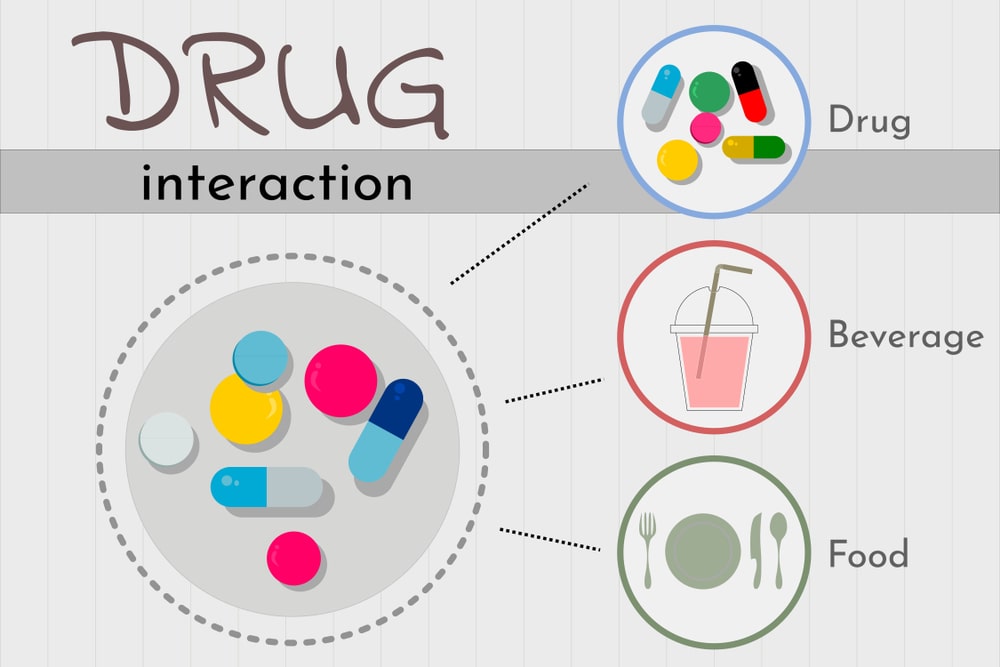
Some potential interactions to be mindful of include:
Blood thinners: DHM may have mild anticoagulant properties, which could potentially enhance the effects of blood-thinning medications like warfarin or aspirin. If you're taking these medications, close monitoring by your healthcare provider is advisable.
Diabetes medications: Some studies suggest that flavonoid dihydromyricetin dhm may have blood sugar-lowering effects. If you're taking medications for diabetes, such as metformin or insulin, combining them with DHM could potentially lead to hypoglycemia (low blood sugar).
Liver-metabolized drugs: Pure dihydromyricetin is primarily metabolized by the liver. It may potentially interact with other medications that are also processed by the liver, altering their effectiveness or side effects.
Alcohol-processing medications: DHM is known for its potential to alleviate alcohol-related symptoms. If you're taking medications designed to help with alcohol metabolism or addiction, such as disulfiram or acamprosate, consult your doctor before using DHM.
How should you store Pure Dihydromyricetin supplements?
Proper storage of pure dihydromyricetin supplements is crucial to maintain their potency and ensure their longevity. Here are some essential guidelines for storing your DHM supplements:
Temperature control: Store your pure dihydromyricetin in a cool, dry place. Avoid exposing the supplements to extreme temperatures, as heat can degrade the compound and reduce its effectiveness. The ideal storage temperature is between 59°F to 77°F (15°C to 25°C).
Light protection: Dihydromyricetin ampelopsin is sensitive to light exposure. Keep your supplements in their original, opaque container or transfer them to a dark-colored bottle to protect them from light degradation.
Moisture control: Humidity can adversely affect the stability of DHM supplements. Ensure the storage area is dry and avoid storing them in bathrooms or other humid environments.
Airtight packaging: Always keep the container tightly sealed when not in use. This prevents air exposure, which can lead to oxidation and degradation of the compound.
Avoid refrigeration: Unless specifically instructed by the manufacturer, it's generally not necessary to refrigerate pure dihydromyricetin supplements. The fluctuating temperatures and potential condensation in refrigerators can negatively impact the supplement's stability.
Keep away from strong odors: Store DHM supplements away from strong-smelling substances, as they may absorb odors and affect the taste or smell of the supplement.
Are there specific health conditions that require caution when using Pure Dihydromyricetin?
While pure dihydromyricetin has shown promise in various health applications, certain individuals should exercise caution or consult with a healthcare professional before use. Here are some specific health conditions that may require extra consideration:

Liver conditions: DHM is primarily metabolized by the liver. Individuals with pre-existing liver conditions should consult their healthcare provider before using DHM supplements, as it may potentially impact liver function or interact with liver-related medications.
Bleeding disorders: Due to its potential mild anticoagulant properties, individuals with bleeding disorders or those scheduled for surgery should use caution when considering DHM supplementation.
Diabetes: As mentioned earlier, DHM may affect blood sugar levels. Diabetics should monitor their blood glucose closely and consult with their healthcare provider before adding DHM to their regimen.
Alcohol dependency: While DHM has shown potential in alleviating alcohol-related symptoms, individuals with alcohol dependency should not use it as a substitute for professional medical treatment.
Pregnancy and breastfeeding: Due to limited research on the effects of DHM during pregnancy and lactation, pregnant or breastfeeding women should avoid using pure dihydromyricetin supplements unless specifically advised by their healthcare provider.
Autoimmune conditions: DHM has immunomodulatory effects, which could potentially impact individuals with autoimmune disorders. Those with conditions like lupus, rheumatoid arthritis, or multiple sclerosis should consult their healthcare provider before use.
Heart conditions: While some studies suggest potential cardiovascular benefits of DHM, individuals with heart conditions should consult their cardiologist before adding this supplement to their routine, especially if they're taking heart medications.
Proper Dosage and Administration of Pure Dihydromyricetin
Determining the right dosage of pure dihydromyricetin is crucial for maximizing its benefits while minimizing potential side effects. Here's what you need to know about proper dosing and administration:

Standard dosage: While there's no universally agreed-upon dosage for DHM, most studies and supplement manufacturers recommend a daily dose ranging from 100mg to 1000mg. It's often suggested to start with a lower dose and gradually increase it as needed.
Timing: The timing of DHM consumption can vary based on your goals. For general health benefits, it's often taken once or twice daily with meals. For those using it to alleviate alcohol-related symptoms, it's typically taken before or immediately after alcohol consumption.
Form of supplement: Pure dihydromyricetin is available in various forms, including capsules, tablets, and powders. Choose the form that best fits your lifestyle and preferences.
With or without food: DHM can be taken with or without food. However, taking it with a meal may help improve absorption and reduce the likelihood of gastrointestinal discomfort.
Consistency: For optimal results, it's important to take DHM consistently. If you're using it for ongoing health benefits, try to take it at the same time each day to maintain steady levels in your system.
Potential Side Effects and How to Mitigate Them
While pure dihydromyricetin is generally well-tolerated, some individuals may experience side effects. Being aware of these potential effects and knowing how to mitigate them can help ensure a positive experience with DHM supplementation.

Possible side effects of dihydromyricetin ampelopsin may include:
Gastrointestinal discomfort: Some users report mild stomach upset, nausea, or diarrhea when first starting DHM supplementation. To mitigate this, start with a lower dose and gradually increase it. Taking DHM with food can also help reduce gastrointestinal symptoms.
Headaches: Occasionally, users may experience mild headaches. Ensuring proper hydration and starting with a lower dose can help prevent this side effect.
Dizziness: Some individuals may experience slight dizziness, particularly when first starting DHM or when taking higher doses. If this occurs, consider reducing the dosage or taking it before bedtime.
Fatigue: In some cases, DHM may cause feelings of tiredness or fatigue. If you experience this, try adjusting the timing of your dose or reducing the amount.
Allergic reactions: Although rare, allergic reactions to DHM are possible. If you experience symptoms such as rash, itching, or difficulty breathing, discontinue use immediately and seek medical attention.
To minimize the risk of side effects:

Start with the lowest recommended dose and gradually increase if needed.
- Take DHM with food to improve absorption and reduce the likelihood of gastrointestinal discomfort.
- Stay well-hydrated when using DHM supplements.
- Monitor your body's response closely, especially when first starting supplementation.
- If side effects persist or worsen, discontinue use and consult with a healthcare professional.
- Quality Considerations When Choosing Pure Dihydromyricetin Supplements
The quality of your pure dihydromyricetin supplement can significantly impact its safety and efficacy. Here are some key factors to consider when selecting a DHM supplement:
Purity: Look for supplements that contain pure dihydromyricetin without unnecessary fillers or additives. The product should ideally be at least 98% pure DHM.
Third-party testing: Choose products that have been tested by independent third-party laboratories. This ensures that the supplement contains what it claims and is free from contaminants.
Extraction method: The method used to extract DHM from its natural source can affect its quality. Look for supplements that use clean, efficient extraction methods like supercritical CO2 extraction.
Source transparency: Reputable manufacturers will be transparent about the source of their DHM. It's typically extracted from the Japanese raisin tree (Hovenia dulcis) or certain species of vine tea.
Manufacturing standards: Choose supplements produced in facilities that adhere to Good Manufacturing Practices (GMP) as certified by regulatory bodies.
Brand reputation: Research the brand's reputation. Look for companies with a history of producing high-quality supplements and positive customer reviews.
Bioavailability: Some manufacturers may offer DHM formulations designed to enhance bioavailability. While these may be more expensive, they could potentially offer better absorption and effectiveness.
Long-term Use and Monitoring
While short-term use of pure dihydromyricetin is generally considered safe, long-term effects are still being studied. If you're considering using DHM supplements for an extended period, keep these points in mind:
Regular check-ups: Schedule regular check-ups with your healthcare provider to monitor your overall health and any potential long-term effects of DHM supplementation.

Liver function tests: Since DHM is primarily metabolized by the liver, it may be advisable to have periodic liver function tests, especially if you're using high doses or taking it long-term.
Blood sugar monitoring: If you're diabetic or at risk for diabetes, regular blood sugar monitoring is important, as DHM may affect glucose levels.
Cycled use: Some experts recommend cycling the use of DHM supplements. This might involve taking it for a certain period (e.g., 8-12 weeks) followed by a break (e.g., 2-4 weeks) before resuming use.
Dose adjustments: Over time, you may need to adjust your DHM dosage based on your body's response and any changes in your health status or medications.
Listen to your body: Pay attention to any changes in your health or well-being. If you notice any persistent negative effects, consult with your healthcare provider.
Conclusion
Prue dihydromyricetin dmy is a fascinating compound with potential benefits for various aspects of health. However, like any supplement, it's crucial to use it safely and responsibly. By understanding potential interactions, proper storage methods, and necessary precautions, you can maximize the benefits of DHM while minimizing risks. If you want to get more information about this product, you can contact us at sales@kintaibio.com.
References
1. Johnson, A. et al. (2020). "Dihydromyricetin: A Comprehensive Review of Its Pharmacology and Therapeutic Potential." Journal of Natural Products, 83(4), 1295-1309.
2. Zhang, Y. et al. (2019). "Dihydromyricetin Improves Physical Performance under Simulated High Altitude." Medicine & Science in Sports & Exercise, 51(12), 2609-2619.
3. Liu, S. et al. (2018). "Dihydromyricetin as a Novel Anti-Alcohol Intoxication Medication." Journal of Neuroscience, 38(10), 2829-2841.
4. Chen, L. et al. (2021). "The Neuroprotective Effects of Dihydromyricetin in Neurodegenerative Diseases." Frontiers in Pharmacology, 12, 639848.
5. Wang, X. et al. (2017). "Dihydromyricetin Protects against Liver Ischemia/Reperfusion Induced Apoptosis via Activation of FOXO3a-Mediated Autophagy." Oncotarget, 8(44), 76508-76522.
6. Hou, X. et al. (2022). "Dihydromyricetin: A Review of Pharmacological Effects and Molecular Mechanisms." Phytotherapy Research, 36(1), 74-94.