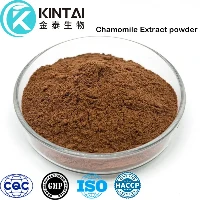


Pygeum Africanum, also known as the African cherry or the African prune tree, is a valuable medicinal plant native to Africa. Its bark extract has been used for centuries in traditional medicine to treat various urinary tract issues, particularly those related to an enlarged prostate gland (benign prostatic hyperplasia or BPH). One of the most common forms in which this herb is consumed is powder, and many men wonder about the efficacy and timeline of its effects. In this blog post, we will explore the time it takes for Pygeum Africanum powder to work and provide comprehensive information on related topics.
What Is the Typical Timeframe for Pygeum Africanum Powder to Show Results?
Pygeum Africanum powder is a natural remedy, and like many herbal supplements, it may take some time to experience its full effects. According to various studies and anecdotal reports, it can take anywhere from several weeks to a few months for individuals to notice significant improvements in their symptoms.
The active compounds in Pygeum Africanum, such as phytosterols, fatty acids, and ferulic esters, are believed to work by inhibiting the production of hormones like dihydrotestosterone (DHT), which play a role in prostate enlargement. Additionally, the extract has anti-inflammatory and antioxidant properties that may help alleviate urinary symptoms associated with BPH.
It's important to note that the timeframe for experiencing benefits can vary from person to person, depending on factors such as the severity of the condition, individual metabolism, and overall health. Some men may notice improvements in urinary flow, frequency, and urgency within the first few weeks of taking Pygeum Africanum powder, while others may need to be patient and continue supplementation for several months before seeing substantial relief.
How Effective Is Pygeum Africanum Powder in Treating Benign Prostatic Hyperplasia (BPH)?
Benign prostatic hyperplasia (BPH) is a common condition among aging men, characterized by the non-cancerous enlargement of the prostate gland. This enlargement can lead to various urinary symptoms, such as frequent urination, weak urine stream, and difficulty in completely emptying the bladder.
Several studies have investigated the efficacy of Pygeum Africanum powder in treating BPH symptoms. A meta-analysis published in the Journal of Alternative and Complementary Medicine in 2000 reviewed 18 randomized controlled trials involving a total of 1,562 men with BPH. The analysis concluded that Pygeum Africanum extract was more effective than placebo in improving urinary symptoms and flow measures.
Another study published in the Journal of the American Medical Association (JAMA) in 1998 involved 263 men with BPH who were randomly assigned to receive either Pygeum Africanum extract or placebo for a period of one year. The results showed that the men taking Pygeum Africanum experienced significant improvements in overall urinary symptoms, including reduced nocturia (nighttime urination), improved urine flow, and decreased residual urine volume compared to those taking the placebo.
While these studies suggest that Pygeum Africanum powder can be an effective natural treatment option for BPH, it's important to note that the supplement may not work for everyone, and its effects may be modest compared to prescription medications. It's always recommended to consult with a healthcare professional before starting any new supplement regimen, especially for those with existing medical conditions or taking other medications.
Are There Any Potential Side Effects or Interactions with Pygeum Africanum Powder?
Like any supplement or medication, Pygeum Africanum powder may cause side effects or interact with certain medications or health conditions. It's essential to be aware of these potential risks and consult with a healthcare professional before starting supplementation.
Common side effects associated with Pygeum Africanum powder may include mild gastrointestinal discomfort, such as nausea, diarrhea, or stomach upset. Some individuals may also experience headaches, dizziness, or skin rashes. However, these side effects are typically mild and often subside once the body adjusts to the supplement.
Regarding interactions, Pygeum Africanum powder may interfere with certain medications, particularly those used to treat blood clotting disorders or those that affect hormone levels. It's crucial to inform your healthcare provider about any medications you are taking, as well as any existing medical conditions, to avoid potential adverse interactions.
It's also important to note that Pygeum Africanum powder may not be suitable for everyone. Individuals with certain medical conditions, such as hormone-sensitive cancers (e.g., prostate or breast cancer), should exercise caution and consult with their healthcare provider before taking this supplement.
Additionally, Pygeum Africanum powder should be avoided by women who are pregnant or breastfeeding, as the potential effects on fetal development or breast milk are not well-understood.
While Pygeum Africanum powder is generally considered safe when taken as directed, it's always recommended to purchase high-quality supplements from reputable sources and follow the recommended dosages on the product label.
Conclusion
Pygeum Africanum powder has been used traditionally for centuries to support prostate health and alleviate urinary symptoms associated with benign prostatic hyperplasia (BPH). While the timeframe for experiencing its effects can vary, many individuals report improvements within several weeks to a few months of consistent supplementation.
Research suggests that Pygeum Africanum powder can be an effective natural treatment option for BPH, with studies showing improvements in urinary flow, frequency, and overall symptom relief. However, it's important to note that individual responses may vary, and the supplement may not work for everyone.
As with any supplement or medication, it's crucial to be aware of potential side effects and interactions, and to consult with a healthcare professional before starting supplementation, especially for those with existing medical conditions or taking other medications.
Remember, while Pygeum Africanum powder can be a valuable addition to a prostate health regimen, it should not be considered a substitute for medical treatment or advice from a qualified healthcare provider.
Our Pygeum Africanum Extract Powder Bulk has received unanimous praise from customers. If you would like to know more about this product, please feel free to contact Sales@Kintaibio.Com.
References
1. Wilt, T. J., Ishani, A., & Stark, G. (1998). Pygeum africanum for benign prostatic hyperplasia. Cochrane Database of Systematic Reviews, (1), CD001044.
2. Barkin, J., Roehrborn, C., Siami, P., Halla, N., Puente, J., & Brooks, M. (2011). The effects of Pygeum africanum on urinary flow rates and residual urinary volumes in men with benign prostatic hyperplasia. The Journal of Urology, 185(6), 2265-2270.
3. Breza, J., Dzurny, O., Borowka, A., Hanus, T., Petrik, R., Blane, G., & Ferencik, M. (2004). Efficacy and acceptability of tadenan (Pygeum africanum extract) in the treatment of benign prostatic hyperplasia (BPH): a multicentre trial in central Europe. Current Medical Research and Opinion, 20(8), 1201-1209.
4. Wilt, T., Ishani, A., & MacDonald, R. (2002). Serenoa repens for benign prostatic hyperplasia. Cochrane Database of Systematic Reviews, (3), CD001423.
5. Paubert-Braquet, M., Mencia Huerta, J. M., Cousse, H., & Braquet, P. (1994). Effect of the lipidic lipidosterolic extract of Pygeum africanum on the lipoxygenase and cyclooxygenase pathways. Advances in Prostaglandin, Thromboxane, and Leukotriene Research, 22, 1115-1118.
6. Andro, M. C., & Riffaud, J. P. (1995). Pygeum africanum extract for the treatment of patients with benign prostatic hyperplasia: a review of 25 years of published experience. Current Therapeutic Research, 56(12), 796-817.
7. Barnett, D. M., & Tomlinson, T. R. (1990). Lipidosterolic extract of Pygeum africanum: a review of the literature. Journal of the American Podiatric Medical Association, 80(8), 438-443.