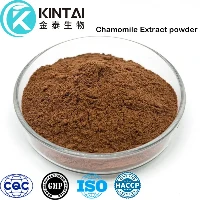


Wild chrysanthemum is a head-like inflorescence of the perennial herb of the family Asteraceae, similar in appearance to chrysanthemums, wild in hillside meadows and roadsides of fields. It is better to have yellow color without stems, complete, fragrant, and flowers that are not fully bloomed. Wild chrysanthemum can be widely used in the treatment of boils, carbuncles, sore throat, red eyes, headache and dizziness. At the same time, it has a good antihypertensive effect and can be used for the adjuvant treatment of hypertension.
Herbs and ingredients
The whole herb contains a variety of volatile oils, including Camphorene, Camphor, Carvone, and Limonene
Wild chrysanthemums
(Limonene), etc., also contains linarin, luteolin, corn chrysanthemin, chrysanthemin, polysaccharides, coumarin, wild chrysanthemolide (Yejuhua lactone) and so on.
Medicinal efficacy
Functions to clear heat and detoxify, reduce swelling. It has inhibitory effects on Staphylococcus aureus, diphtheria bacillus, streptococcus, Pseudomonas aeruginosa, Tribulus bacillus and influenza virus. Clinical uses: 1. Sense, influenza: chrysanthemum, honeysuckle, forsythia, burdock 9g each, mint, licorice 6g, decoction. 2. Acute purulent inflammation: fresh wild chrysanthemum flowers and leaves 30-60g, decoction frequently, and use its flowers and leaves 30-60g, frying, external washing or mashing external application to the affected area. 3. High blood pressure: 15g each of wild chrysanthemum and grass cassia, soaked in water instead of tea (especially suitable for liver fever hypertension). 4. Sore throat, sputum, eye swelling and pain, etc.: can be used in combination with other drugs.
Sexual taste attribution
Chills:Hard work, hard work; Return to the lungs and liver.
Efficacy: Clear heat and detoxify; Relieve the wind and calm the liver.
Efficacy classification: heat-clearing drugs; antidote; Detoxifying and antidote.
Indications: furuncles; Carbuncle; Erysipelas; Eczema; Dermatitis; Wind-heat cold; Sore throat; Hypertensive disease.
Clinical application
9-15g, decoction or topical. [Preparation] compound wild chrysanthemum injection: wild chrysanthemum flower 250g, dandelion 500g, benzyl alcohol 10ml, Tween - 8010ml, sodium chloride 8.5g, made 1,000ml. Each 2ml is equivalent to 1.5g of the original medicinal material. Suitable for colds and upper respiratory tract infections. Intramuscular injection, each time - 4ml, 2 times a day.
Sterilizer expert
Wild chrysanthemum flowers contain a variety of active ingredients such as industol, wild chrysanthemum lactone, amino acids, trace elements and so on. Its water extract has obvious protective effect on the cardiovascular system, can improve cardiac output, increase myocardial oxygen supply, and protect the normal physiological function of ischemic myocardium. The blue-green volatile oil extracted by wild chrysanthemum flower water extract and water vapor distillation has killing or inhibitory activity against a variety of pathogenic bacteria and viruses, and the inhibitory activity of water extract against Staphylococcus aureus, dysentery bacillus, Escherichia coli, typhoid bacillus, etc. is stronger than that of volatile oil. And has anti-inflammatory, antioxidant, analgesic activities.
Clinical application
1. To prevent colds: soak wild chrysanthemums in boiling water for 1 hour, fry for 30 minutes, and take the liquid internally. Adults pay each time, children at their discretion. Generally, the drug is generally administered once a month, in the past, those who had a cold 3-5 times a year should take the drug once every two weeks, and those who often had a cold should take the drug once a week. Compared with the same period of the previous year, the incidence of 100D people after taking the drug decreased by 13.2%; Compared with the 261 people who lived in the vicinity and had basically the same conditions but did not take the drug, the incidence was also significantly lower. At the same time, the recurrence of 19 patients with chronic tracheitis before and after drug administration was compared, and the results showed that all relapsed when the drug was not administered (the same period of the previous year), and the recurrence rate after drug administration was 38%.
2. Treatment of respiratory tract inflammation, etc.: with 100% wild chrysanthemum injection, each injection: 2-4ml, once in six hours. 40 cases of upper respiratory tract infection were treated, 35 cases were cured, and 1 case improved; 20 cases of tonsillitis, 18 cases cured; There were 20 cases of tracheitis, 5 cases were cured, and N cases improved. Antipyretic for an average of 1-2 days after medication. In addition, 2-3ml of 50% injection was injected intramuscularly every day to treat 81 cases of toxic tonsillitis and other acute inflammations (including tracheitis, pneumonia, endometritis, adnexitis, gum infection, etc.), with a cure rate of 49.4% and an effective rate of 95%.
3. Treatment of cervicitis, etc.: after vaginal irrigation, apply cervix with wild chrysanthemum pollen, once a day, 3-5 days for a course of treatment. Eleven cases of chronic cervicitis were treated and 7 cases were cured. Or local treatment with wild chrysanthemum injection, 43 cases of cervicitis, vaginitis, vulvar ulcer were observed, and the effective rate was 90.7%, and the cure rate accounted for 35%.
4. Treatment of carbuncle and boil: adults use 3-5 taels of fresh wild chrysanthemums a day, frying and serving twice: or pound about 100ml of juice, 1 time. You can also apply to the affected area and change it when it is slightly dry. For multiple furuncles of the whole body and head and face, if external application is inconvenient, it can be soaked in decoction water.
5. Treatment of hypertension: make wild chrysanthemum flowers into a stream extract, add simple syrup to 5ml per milliliter (containing 2g of crude medicine). Take 10ml per serving, 3 times a day. Preliminary observation was made of 35 patients with stage I. II hypertension, and the efficacy reached 68.57%, of which the obvious effect was 17.14%, the mild efficacy was 51.43%, and the ineffective effect was 31.43%. It also has a certain effect on symptom improvement, and insomnia, bloating, headache, and dizziness have improved in more than half of cases.
Pharmacological action
1. Effects on the cardiovascular system:
The intravenous injection of 1.5-2.0g (crude drug)/kg prepared by wild chrysanthemum flower water extraction method was immediately increased by 93% in anesthetized cats, and the coronary flow rate was increased by 40 minutes after continuous observation compared with before administration, with significant differences. The heart rate slowed significantly after administration, and immediately after administration it decreased by 12% compared with before administration. The partial pressure difference of the arteriovenous oxygen is lower than before administration, indicating a decrease in myocardial oxygen consumption. For ex vivo rabbit hearts, after injection of wild chrysanthemum injection, the coronary flow increased significantly and the myocardial contraction amplitude decreased significantly. Rabbit kidney and rabbit ear blood vessels also saw obvious dilation effect after giving wild chrysanthemum injection. Wild chrysanthemum preparations are used in dogs with experimental myocardial infarction or blood supply insufficiency to significantly increase myocardial uptake of cesium. Wild chrysanthemum flower water decoction alcohol precipitated ethyl acetate extract, 80mg/kg intravenous injection in healthy anesthetized dogs, can increase coronary flow by 49.6%, coronary resistance by 45.8%, the effect lasts for about 10 minutes while the heart rate slows down, blood pressure decreases with total peripheral resistance, cardiac output and stroke volume increase, and left heart work volume decreases, which is significantly different from before administration. Wild chrysanthemum injection 2g (crude drug)/kg intravenous injection also has a significant protective effect on experimental myocardial ischemia in dogs, and the effect intensity is greater than that of propranolol 1mg/kg.
2. Effect on platelet aggregation:
The carotid blood of male rabbits was prepared into blood-rich tabloid plasma, 0.9ml was placed in an aggregation tube, 0.1ml of wild chrysanthemum flower injection containing 1g (crude drug) / ml was added, and then placed at room temperature for 3 minutes, stirred and kept warm at 37 °C for 2 minutes, 5μl of ADP was added, and the ability of ADP-induced platelet aggregation in rabbits was calculated by regression method. Its inhibitory effect is 2.3 times that of Salvia and 3.2 times that of Codonopsis, and its 50% depolymerization dose is equivalent to 60% of Salvia and about 50% of Codonopsis.
3. Antihypertensive effect:
Wild chrysanthemum ethanol flow extract aqueous solution intraperitoneal injection or gavage, on non-anesthetized rats, anesthetized cats and anesthetized dogs have obvious antihypertensive effect. Wild chrysanthemum ethanol extract refined extract 50-100mg enteral injection, can make the percentage of blood pressure reduction area within 2h of anesthetized cats up to -19 to -22%, no obvious effect on heart rate and breathing. Give 1 gavage of 100-150mg/kg to normal dogs, or 100-200mg/kg daily gavage for chronic renal hypertension dogs for 3 weeks, all have a certain antihypertensive effect. Its blood pressure reduction is characterized by slow and persistent without serious toxic reactions. It is worth noting that its water extractor basically does not lower blood pressure, indicating that the antihypertensive active ingredient exists in the ester-soluble part. Wild chrysanthemum flow extract aqueous solution intraperitoneal injection still has an antihypertensive effect on cats and can inhibit the compression response that blocks the common carotid artery. Tests have also proved that wild chrysanthemums have no significant effect on ganglia and M-choline receptors, but have anti-epinephrine effects. Anesthetized intraperitoneal injection in dogs, does not reduce cardiac output, while vasodilation, total peripheral resistance decreases, blood pressure decreases. Based on the above points, it is believed that the antihypertensive mechanism of wild chrysanthemum is not to reduce cardiac output or block sympathetic ganglia, nor through the vagus nerve reflex mechanism, but through anti-epinephrine and dilation of peripheral blood vessels, and possibly also related to the inhibition of vascular motor centers.
4. Anti-pathogenic microorganisms:
The minimum inhibitory concentration of wild chrysanthemum flower decoction on strong poisonous human Mycobacterium tuberculosis is 2.5mg/ml, and the minimum inhibitory concentration of Mycobacterium Kansas is 10mg/ml, which has no effect on intracellular mycobacteria, and its bacteriostatic principle is to change, destroy or disappear the bacterial cell wall, and make its ultrastructure obviously destroyed. Wild chrysanthemum or wild chrysanthemum flower branches and leaves 1:5 decoction has the effect of inhibiting dysentery bacillus in the test tube, and the branches and leaves still have the effect of inhibiting typhoid bacillus. Wild chrysanthemum decoction also has inhibitory effect on a variety of other pathogenic bacteria, MIC is about 1:10-1:80, and high concentrations also have different degrees of inhibitory effect on a variety of skin fungi. The antibacterial effect of wild chrysanthemum whole herb is stronger than that of flowers, fresh products are stronger than dry products, and the potency is reduced when heated (if autoclaved).
Wild chrysanthemum decoction also delays the effect of human embryonic kidney or human embryonic lung primary monolayer epithelial cell disease caused by ECHO11 virus, herpes virus and influenza virus Keike 68-1 strain, but is not effective against parainfluenza virus (Sendai strain), adenovirus (type 3) and rhinovirus (type 17 and type 20). In addition, wild chrysanthemum also has an inhibitory effect on leptospira in the test tube, and there is no obvious difference between different bacterial types, while the decoction is stronger than the alcohol leaching preparation.
5. Promote leukocyte phagocytosis:
In vitro test, 1:1280 concentration of wild chrysanthemum decoction has the effect of promoting human leukocyte phagocytosis of Staphylococcus aureus, but its decoction liquid does not have this effect.
6. Other functions:
50 or 150 mg intraperitoneally injected into mice poisoned by silver ringed snake or eye snake venom was reduced, and the mortality rate was reduced compared with the control group. However, there is no therapeutic effect on mice poisoned by barramundi viper venom.