
Hey there! I'm a supplier of Chinese herbs, and I've been in this business for quite a while. I absolutely love sharing the wonders of Chinese herbs with folks. Today, I'm gonna talk about what Chinese herbs are used in Chinese patent medicines.
Chinese patent medicines are those pre - made herbal formulas that have been around for ages. They're super convenient, and a lot of people rely on them for various health issues. Let's start with some of the most commonly used herbs.


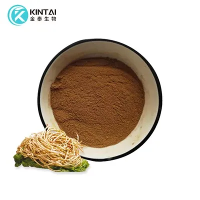
One of the heavy - hitters is Angelica Head. Angelica head, or Danggui in Chinese, is like a superstar in Chinese medicine. It's mainly used in formulas that deal with women's health problems. It's great for promoting blood circulation, regulating menstruation, and relieving menstrual pain. You'll find it in many patent medicines that are designed for gynecological issues. For example, some formulas that aim to nourish the blood and improve the overall well - being of women often include Angelica head. It's also believed to have a bit of a warming effect on the body, which helps to balance out the cold and dampness that can sometimes cause discomfort.
Another herb that's extremely popular is Ginseng. There are different types, like Korean ginseng, American ginseng, and Chinese ginseng. Ginseng is known as an adaptogen, which means it helps the body adapt to stress and restores balance. In Chinese patent medicines, ginseng is often used in products that boost energy and strengthen the immune system. It's great for those who are feeling run - down, maybe due to overwork or a long - term illness. You'll find it in tonics and supplements that are aimed at improving vitality and overall stamina.
Gynostemma Pentaphyllum Tea, also called Jiaogulan in Chinese, is another amazing herb. It's often used in patent medicines for its health - promoting properties. Gynostemma is rich in antioxidants and has been studied for its potential to lower cholesterol, regulate blood sugar, and improve heart health. Many of the health - oriented patent medicines, especially those related to cardiovascular health and diabetes management, may contain Gynostemma pentaphyllum. It has a slightly sweet taste, and some people even drink it as a tea for general well - being.
Lotus stamen is also an interesting one. Lotus Stamen, or Lianxu in Chinese, has astringent properties. It's used in patent medicines that are aimed at treating issues like night sweats, excessive urination, and spermatorrhea. It helps to tighten and tonify the body's organs, preventing the loss of vital substances. It's often combined with other herbs in formulas to enhance its effects and address specific health problems.
Rehmannia is another key herb. There are two main types: raw rehmannia and prepared rehmannia. Raw rehmannia is used to clear heat and cool the blood. It's found in patent medicines for conditions like fever, bleeding disorders, and inflammation. Prepared rehmannia, on the other hand, is more about nourishing the kidneys and the liver. It's often included in formulas for people with kidney deficiency, which can manifest as back pain, dizziness, and premature aging.
Cinnamon twig, or Guizhi in Chinese, is a common ingredient in many Chinese patent medicines. It has a warming effect and is used to promote the flow of qi and blood. You'll find it in formulas for colds, flu, and joint pain. It helps to open up the pores, expel wind and cold from the body, and relieve pain.
Bupleurum, or Chaihu, is used in patent medicines that are designed to soothe the liver and regulate qi. It's great for people who are feeling stressed, irritable, or have digestive issues related to liver qi stagnation. It can help to improve mood and relieve symptoms like abdominal distension and pain.
Now, when it comes to making Chinese patent medicines, the combination of these herbs is crucial. Chinese medicine practitioners use the principles of traditional Chinese medicine to carefully select and combine herbs in the right proportions. Each herb has its own unique properties, and when combined, they can work synergistically to achieve better therapeutic effects.
For example, a formula for treating a cold might combine cinnamon twig to expel wind - cold, bupleurum to soothe the liver and regulate qi, and other herbs to strengthen the immune system. The result is a comprehensive treatment that not only relieves the symptoms of the cold but also helps the body recover more quickly.
As a Chinese herbs supplier, I take pride in providing high - quality herbs for the production of these patent medicines. I work closely with farmers who use traditional and sustainable farming methods to grow the herbs. This ensures that the herbs are pure, free from pesticides, and retain their full medicinal properties.
If you're in the business of producing Chinese patent medicines or are interested in using Chinese herbs for other purposes, I'd love to have a chat with you. We can discuss your specific needs, and I can offer you the best - quality herbs at competitive prices. Whether you need a large quantity of a single herb or a custom - blended mix, I've got you covered.
So, don't hesitate to reach out if you want to start a conversation about procurement. I'm always here to help you find the perfect Chinese herbs for your requirements.
References
- Bensky, D., & Gamble, A. (1986). Chinese herbal medicine: Materia medica. Eastland Press.
- Zhu, J. K. (1998). The complete book of Chinese health and healing. Simon & Schuster.