
In the ever - evolving world of skincare, consumers are constantly on the hunt for natural, effective, and gentle products. One such ingredient that has been gaining traction is soapnut extract. As a supplier of soapnut extract, I am often asked about its suitability for facial cleansing. In this blog, we will explore the science behind soapnut extract and its potential as a facial cleanser.
What is Soapnut Extract?
Soapnuts, also known as soapberries, are the fruit of the Sapindus tree. These small, brown nuts contain saponins, which are natural surfactants. Surfactants are substances that reduce the surface tension between two liquids or between a liquid and a solid. In the case of soapnuts, saponins create a lather when mixed with water, making them an excellent natural alternative to synthetic detergents.
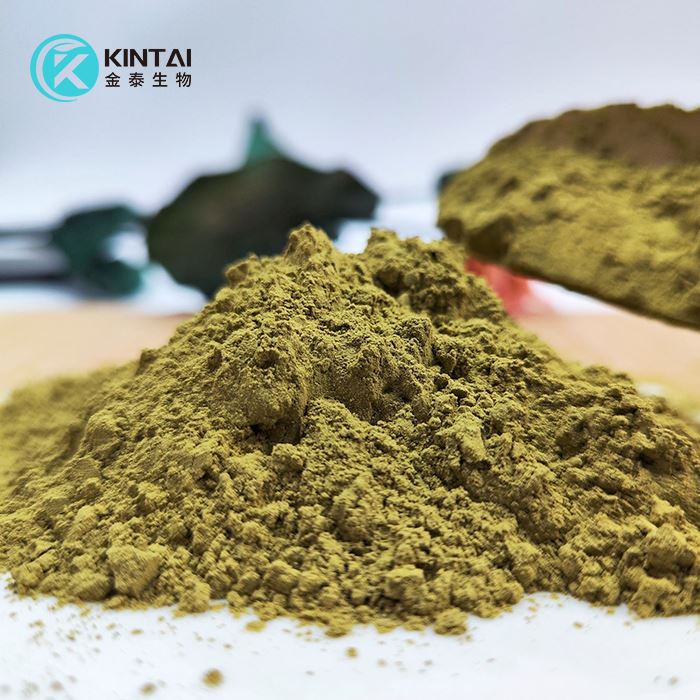
Soapnut extract is obtained by processing these nuts to isolate the beneficial compounds. It is a concentrated form of the natural goodness found in soapnuts, and it can be used in a variety of personal care products, including shampoos, body washes, and, potentially, facial cleansers.
The Science of Facial Cleansing
Before delving into whether soapnut extract can be used for facial cleansing, it's important to understand the basic principles of facial cleansing. The skin on our face is delicate and sensitive, and it has a natural protective barrier called the acid mantle. The acid mantle is a thin, acidic film on the surface of the skin that helps to keep harmful bacteria and other pathogens at bay, while also preventing moisture loss.
A good facial cleanser should be able to remove dirt, oil, and makeup from the skin without disrupting the acid mantle. It should also be gentle enough not to cause irritation or dryness. Many commercial facial cleansers contain harsh chemicals such as sulfates, parabens, and artificial fragrances, which can strip the skin of its natural oils and damage the acid mantle.
Benefits of Soapnut Extract for Facial Cleansing
Natural and Gentle
One of the main advantages of soapnut extract is its natural and gentle nature. Since it is derived from a plant source, it is less likely to cause allergic reactions or irritation compared to synthetic cleansers. The saponins in soapnut extract are mild surfactants that can effectively clean the skin without over - drying it. This makes it suitable for people with sensitive skin, who often struggle to find a facial cleanser that doesn't cause redness, itching, or other adverse reactions.
Anti - Bacterial and Anti - Inflammatory Properties
Soapnut extract has been shown to have anti - bacterial and anti - inflammatory properties. The saponins and other bioactive compounds in the extract can help to kill harmful bacteria on the skin's surface, reducing the risk of acne and other skin infections. Additionally, the anti - inflammatory properties can soothe irritated skin and reduce redness, making it beneficial for people with acne - prone or inflamed skin.
Moisturizing
Contrary to what some might think, soapnut extract can actually help to keep the skin hydrated. While it effectively removes dirt and oil from the skin, it also helps to maintain the skin's natural moisture balance. The extract contains natural emollients that can form a protective layer on the skin, preventing moisture loss and leaving the skin feeling soft and supple.
Potential Drawbacks
pH Level
The pH level of a facial cleanser is crucial, as it can affect the skin's acid mantle. Soapnut extract has a slightly alkaline pH, typically around 8 - 9. The skin's acid mantle, on the other hand, has a pH of around 5.5 - 7.0. Using a cleanser with a high pH for an extended period can disrupt the acid mantle, leading to dryness, irritation, and an increased risk of skin infections. However, this can be mitigated by formulating the soapnut extract with other ingredients to adjust the pH or by following up with a pH - balancing toner.
Allergic Reactions
Although soapnut extract is generally considered safe for most people, there is still a small risk of allergic reactions. Some individuals may be allergic to the Sapindus tree or other components of the extract. It is always recommended to perform a patch test before using any new facial product, especially if you have a history of skin allergies.

How to Use Soapnut Extract for Facial Cleansing
If you decide to try soapnut extract for facial cleansing, there are a few ways to use it. You can purchase a pre - formulated facial cleanser that contains soapnut extract, or you can make your own at home.
To make a simple soapnut extract facial cleanser at home, you will need:
- 1/4 cup of soapnut extract
- 1/4 cup of distilled water
- 1 teaspoon of aloe vera gel (for added moisturizing and soothing properties)
- A few drops of essential oil (such as lavender or tea tree oil) for fragrance and additional antibacterial benefits
Mix all the ingredients together in a small bottle and shake well. To use, wet your face with warm water, apply a small amount of the cleanser to your fingertips, and gently massage it onto your face in circular motions. Rinse thoroughly with warm water and pat your face dry with a clean towel.
Comparison with Other Natural Extracts
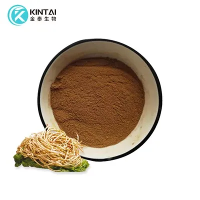
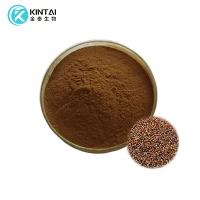
In the world of natural skincare, there are many other plant extracts that are used for facial cleansing. For example, Cornsilk Extract Powder is known for its diuretic and anti - inflammatory properties, and it can be used in facial cleansers to soothe and hydrate the skin. Vine Tea Extract Dihydromyricetin has antioxidant and anti - bacterial properties, which can help to protect the skin from damage and prevent acne. Corosolic Acid Powder is derived from loquat leaves and has been shown to have anti - inflammatory and anti - diabetic properties, which may also be beneficial for the skin.
Each of these extracts has its own unique set of benefits, and they can be used in combination with soapnut extract to create a more effective and well - rounded facial cleanser.
Conclusion
In conclusion, soapnut extract has great potential as a facial cleanser. Its natural and gentle nature, along with its anti - bacterial, anti - inflammatory, and moisturizing properties, make it a suitable option for many people, especially those with sensitive skin. However, it's important to be aware of the potential drawbacks, such as the pH level and the risk of allergic reactions.
If you're interested in incorporating soapnut extract into your facial cleansing routine or if you're a skincare brand looking for a natural ingredient for your products, I encourage you to reach out. As a supplier of high - quality soapnut extract, I can provide you with the information and samples you need to make an informed decision. Contact me to start a conversation about how soapnut extract can enhance your skincare products.
References
- "The Chemistry of Saponins in Soapnuts," Journal of Natural Products Chemistry, Vol. 15, Issue 2.
- "Skin Physiology and the Acid Mantle," Dermatology Research and Practice, Vol. 20, Issue 3.
- "Anti - Bacterial and Anti - Inflammatory Properties of Plant Extracts," International Journal of Phytomedicine, Vol. 8, Issue 1.