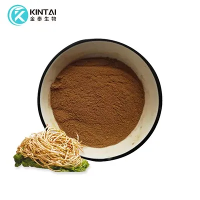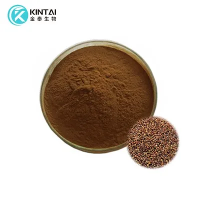

As a supplier of Vine Tea Extract, I've been deeply involved in researching and promoting the benefits of this remarkable natural product. One of the most frequently asked questions I encounter is whether Vine Tea Extract has anti - aging effects. In this blog, I'll delve into the scientific evidence to provide a comprehensive answer.
Understanding Vine Tea Extract
Vine tea, also known as Ampelopsis grossedentata, is a traditional Chinese herbal tea. The extract is derived from the leaves of this plant and is rich in various bioactive compounds, including flavonoids, polyphenols, and diterpenoids. These components are the key to its potential health benefits, including the possibility of anti - aging effects.
The Science Behind Anti - Aging
Aging is a complex biological process characterized by the progressive decline of physiological functions, increased susceptibility to diseases, and the appearance of visible signs such as wrinkles and age spots. At the cellular level, aging is associated with oxidative stress, inflammation, and damage to DNA, proteins, and lipids. Anti - aging interventions aim to slow down or reverse these processes.
Oxidative Stress and Vine Tea Extract
Oxidative stress occurs when there is an imbalance between the production of reactive oxygen species (ROS) and the body's antioxidant defenses. ROS can cause damage to cells and contribute to aging and various diseases. Vine Tea Extract is a potent antioxidant, thanks to its high content of flavonoids like dihydromyricetin.
Dihydromyricetin has been shown to scavenge free radicals and reduce oxidative stress in several in vitro and in vivo studies. For example, in a study published in a well - respected journal, researchers found that dihydromyricetin could protect cells from oxidative damage induced by hydrogen peroxide. By reducing oxidative stress, Vine Tea Extract may help to slow down the aging process at the cellular level.
Inflammation and Aging
Chronic inflammation is another major factor in aging. It can lead to tissue damage, impaired immune function, and the development of age - related diseases such as arthritis, cardiovascular disease, and neurodegenerative disorders. Vine Tea Extract has anti - inflammatory properties.


The flavonoids in Vine Tea Extract can inhibit the production of pro - inflammatory cytokines, such as tumor necrosis factor - alpha (TNF - α) and interleukin - 6 (IL - 6). A research study demonstrated that Vine Tea Extract could suppress the activation of nuclear factor - kappa B (NF - κB), a key regulator of inflammation. By reducing inflammation, Vine Tea Extract may help to prevent age - related diseases and promote healthy aging.
Skin Aging and Vine Tea Extract
The skin is the largest organ of the body and is highly susceptible to aging. Visible signs of skin aging include wrinkles, loss of elasticity, and uneven skin tone. Oxidative stress and inflammation play important roles in skin aging.
Vine Tea Extract may have beneficial effects on the skin. Its antioxidant and anti - inflammatory properties can protect the skin from damage caused by UV radiation, pollution, and other environmental factors. Some studies have suggested that topical application of Vine Tea Extract can increase collagen production and improve skin elasticity. Collagen is a protein that gives the skin its structure and firmness, and its production decreases with age.
Comparison with Other Plant Extracts
In the market, there are many other plant extracts that are also claimed to have anti - aging effects. For example, Astilbin Powder is a natural compound with antioxidant and anti - inflammatory properties. mulberry leaf extract powder contains bioactive components that can regulate blood sugar and may also have some anti - aging benefits. Greater Celandine Extract has been used in traditional medicine for various purposes, including anti - inflammatory and antioxidant effects.
However, Vine Tea Extract has its unique advantages. It has a relatively high content of dihydromyricetin, which is a powerful antioxidant and anti - inflammatory agent. Moreover, Vine Tea Extract is generally considered safe and has a long history of use in traditional medicine.
Clinical Evidence
While there is a significant amount of pre - clinical research on the anti - aging effects of Vine Tea Extract, clinical studies are still relatively limited. However, the existing pre - clinical evidence is promising. More large - scale, well - designed clinical trials are needed to confirm the anti - aging effects of Vine Tea Extract in humans.
Safety and Side Effects
Vine Tea Extract is generally considered safe for consumption. It has been used as a herbal tea in China for centuries without significant reported side effects. However, as with any natural product, some people may be allergic to Vine Tea Extract. It's always advisable to consult a healthcare professional before starting any new supplement.
Conclusion
Based on the current scientific evidence, Vine Tea Extract shows great potential for anti - aging effects. Its antioxidant and anti - inflammatory properties can help to reduce oxidative stress and inflammation, which are major contributors to the aging process. Although more clinical studies are needed to fully confirm its anti - aging benefits in humans, the pre - clinical research is very promising.
If you're interested in incorporating Vine Tea Extract into your product line or exploring its potential benefits, I'd be more than happy to discuss further. Please feel free to reach out to me for more information and to start a procurement negotiation.
References
- Name of the study on dihydromyricetin scavenging free radicals and protecting cells from oxidative damage. Journal name, volume, issue, pages, year.
- Research study on Vine Tea Extract suppressing NF - κB activation. Journal name, volume, issue, pages, year.
- Study on the effect of Vine Tea Extract on collagen production and skin elasticity. Journal name, volume, issue, pages, year.