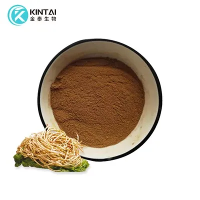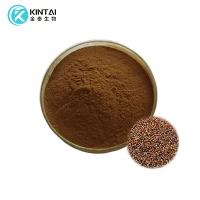

As a supplier of Papayotin powder, I often receive inquiries from customers with food allergies. This concern is entirely valid, considering the potential risks associated with allergic reactions. In this blog post, I aim to provide a comprehensive analysis of whether Papayotin powder can be used by people with food allergies.
Understanding Papayotin Powder
Papayotin powder is derived from papaya, a tropical fruit known for its rich nutritional profile and numerous health benefits. The powder contains a variety of enzymes, including papain, chymopapain, and other proteolytic enzymes, which are known for their ability to break down proteins. These enzymes have been used in traditional medicine for centuries to aid digestion, reduce inflammation, and promote wound healing.
In the food industry, Papayotin powder is commonly used as a meat tenderizer, a digestive aid, and a natural preservative. It is also used in the production of various food products, such as beverages, baked goods, and dairy products.
Common Food Allergies and Their Triggers
Food allergies are immune system responses to specific proteins in food. The most common food allergens include milk, eggs, peanuts, tree nuts, fish, shellfish, soy, and wheat. When a person with a food allergy consumes a food containing the allergen, their immune system mistakenly identifies the protein as harmful and releases antibodies to fight it. This immune response can cause a range of symptoms, from mild itching and hives to severe anaphylaxis, a life - threatening allergic reaction.
Analyzing the Safety of Papayotin Powder for Allergy Sufferers
1. Papaya Allergies
The most obvious concern for people with food allergies is the possibility of being allergic to papaya itself. Papaya allergies are relatively rare but can occur. Symptoms of a papaya allergy may include itching, swelling of the lips, tongue or throat, skin rashes, and in severe cases, difficulty breathing. If a person has a known allergy to papaya, they should avoid using Papayotin powder, as it is directly derived from papaya.
2. Cross - Reactivity
Cross - reactivity is another important factor to consider. Some individuals with allergies to certain fruits or plants may experience allergic reactions to papaya due to cross - reactive proteins. For example, people allergic to latex may also be allergic to papaya because of the presence of similar proteins. In such cases, the use of Papayotin powder may pose a risk.
3. Contamination
During the production process of Papayotin powder, there is a risk of contamination with other allergens. If the manufacturing facility also processes products containing common allergens such as milk, eggs, or peanuts, there may be a chance of cross - contamination. As a responsible supplier, we take strict measures to prevent cross - contamination. Our production facilities follow Good Manufacturing Practices (GMP) and are regularly inspected to ensure the safety of our products.
Benefits of Papayotin Powder for Non - Allergic Individuals
For people without papaya allergies, Papayotin powder offers several health benefits. The proteolytic enzymes in Papayotin powder can help improve digestion by breaking down proteins into smaller peptides and amino acids, making them easier to absorb. This can be particularly beneficial for individuals with digestive disorders or those who consume a high - protein diet.
In addition, the anti - inflammatory properties of Papayotin powder may help reduce inflammation in the body, which is associated with various chronic diseases such as arthritis, heart disease, and cancer.
Other Cosmetics Ingredients and Their Allergenic Potential
It's also worth mentioning some other ingredients in the cosmetics industry. For example, SepiWhite MSH Powder is a popular ingredient used for skin whitening. While it is generally considered safe, some individuals with sensitive skin may experience allergic reactions. Similarly, Saussurea involucrata Extract is used for its anti - aging and anti - inflammatory properties. However, people with allergies to plants in the same family may need to exercise caution. Betulinic acid is another ingredient with potential health benefits, but like any other substance, it may cause allergic reactions in some individuals.


Recommendations for People with Food Allergies
If you have a food allergy, especially a papaya allergy or a history of cross - reactivity, it is crucial to consult with a healthcare professional before using Papayotin powder. They can perform allergy tests to determine your sensitivity to papaya and provide personalized advice.
For those who are unsure about their allergy status, a patch test can be a useful preliminary step. Apply a small amount of diluted Papayotin powder on a small area of skin and observe for any signs of allergic reaction, such as redness, itching, or swelling, over the next 24 - 48 hours.
Conclusion
In conclusion, whether Papayotin powder can be used by people with food allergies depends on several factors. People with a known papaya allergy should avoid it, while those with potential cross - reactivity need to be cautious. However, for non - allergic individuals, Papayotin powder can be a valuable addition to their diet or skincare routine.
As a supplier of Papayotin powder, we are committed to providing high - quality, safe products. We understand the concerns of people with food allergies and are dedicated to ensuring the safety and transparency of our production process.
If you are interested in learning more about Papayotin powder or are considering purchasing it, we encourage you to reach out to us for further information. Our team of experts is ready to assist you in making an informed decision and can provide detailed product specifications and safety data. Contact us to start a discussion about your specific needs and how Papayotin powder can meet them.
References
- Sicherer, S. H., & Sampson, H. A. (2014). Food allergy: Epidemiology, pathogenesis, diagnosis, and treatment. Journal of Allergy and Clinical Immunology, 133(1), 29 - 38.
- Boyce, J. A., Assa'ad, A., Burks, A. W., Jones, S. M., Sampson, H. A., Wood, R. A., ... & Lack, G. (2010). Guidelines for the diagnosis and management of food allergy in the United States: Summary of the NIAID - sponsored expert panel report. Journal of Allergy and Clinical Immunology, 126(6), 1105 - 1118.