
Soapnuts, also known as soapberries, have been used for centuries as a natural cleaning agent. They are the fruit of the Sapindus tree, and their shells contain saponins, which are natural surfactants that produce a soapy lather. Soapnut products come in various forms, with soapnut extract and soapnut powder being two of the most popular. As a soapnut extract supplier, I often get asked about the differences between these two forms. In this blog post, I'll delve into the details to help you understand which one might be the better choice for your needs.
Composition and Production Process
Soapnut Extract
Soapnut extract is a concentrated liquid form of soapnuts. The production process of soapnut extract involves soaking the soapnut shells in a solvent, usually water or a combination of water and alcohol. This soaking process allows the saponins and other beneficial compounds in the soapnut shells to be extracted into the liquid. After soaking for a certain period, the liquid is then filtered to remove any solid particles, resulting in a clear, concentrated extract.
The concentration of saponins in soapnut extract can vary depending on the extraction method and the ratio of soapnut shells to the solvent used. Generally, a high - quality soapnut extract will have a relatively high saponin content, which gives it strong cleaning and foaming properties.
Soapnut Powder
Soapnut powder is made by grinding the dried soapnut shells into a fine powder. The process is relatively straightforward. First, the soapnut shells are harvested and dried thoroughly to remove any moisture. Then, they are ground using a grinder or a milling machine until they reach a fine, powdery consistency.
Since soapnut powder is simply the ground form of the soapnut shells, it contains all the components of the shells, including the saponins, as well as other natural fibers and plant matter. However, the saponin concentration in soapnut powder may not be as consistent as in soapnut extract, as it can be affected by factors such as the quality of the soapnuts and the grinding process.
Physical Properties
Appearance
Soapnut extract is a liquid, usually with a light brown or amber color. It is clear and free of any large particles, although it may have a slight sediment at the bottom if it has been sitting for a long time. The liquid is viscous, and its viscosity can vary depending on the concentration of the extract.
Soapnut powder, on the other hand, is a fine, powdery substance. It is usually light to medium brown in color, similar to the color of the dried soapnut shells. The powder has a soft, fluffy texture and may clump together if it has been exposed to moisture.
Solubility
Soapnut extract is already in a liquid form, so it is highly soluble in water. When added to water, it dissolves immediately, creating a soapy solution. This makes it very convenient to use in applications where a quick - dissolving cleaning agent is required.
Soapnut powder is also soluble in water, but it may take a bit more time and agitation to fully dissolve. When added to water, the powder may initially form clumps, which need to be broken up by stirring or shaking. Once fully dissolved, it forms a milky - looking solution.
Cleaning Performance
Effectiveness
Both soapnut extract and soapnut powder are effective natural cleaning agents due to the presence of saponins. However, soapnut extract, with its higher and more consistent saponin concentration, generally provides stronger cleaning power. It can quickly break down dirt, grease, and stains, making it suitable for tough cleaning tasks such as removing oil stains from clothes or cleaning dirty kitchen surfaces.
Soapnut powder, while still effective, may require a larger quantity to achieve the same level of cleaning as soapnut extract. It is more suitable for light - to - medium cleaning tasks, such as general household cleaning or gentle laundry.
Foaming Ability
Soapnut extract has excellent foaming properties. When mixed with water, it produces a rich, thick lather that helps to lift and remove dirt. The high saponin content in the extract is responsible for this strong foaming ability, which makes it a popular choice for products like natural shampoos and body washes.
Soapnut powder also produces foam when mixed with water, but the foam may not be as abundant or long - lasting as that of soapnut extract. The foam produced by soapnut powder is more delicate and may dissipate more quickly.
Ease of Use
Convenience
Soapnut extract is very convenient to use. Since it is a liquid, it can be easily measured and added directly to cleaning solutions or products. It can also be used in spray bottles for easy application, making it ideal for spot - cleaning or quick cleaning tasks.
Soapnut powder requires a bit more preparation. As mentioned earlier, it needs to be dissolved in water before use, which can be time - consuming, especially if a large quantity is needed. Additionally, it may leave behind some residue if not fully dissolved, which can be a drawback in some applications.
Storage
Soapnut extract needs to be stored in a cool, dark place to prevent spoilage. It should be kept in a tightly sealed container to avoid evaporation and contamination. If stored properly, soapnut extract can have a relatively long shelf life, usually up to a year or more.
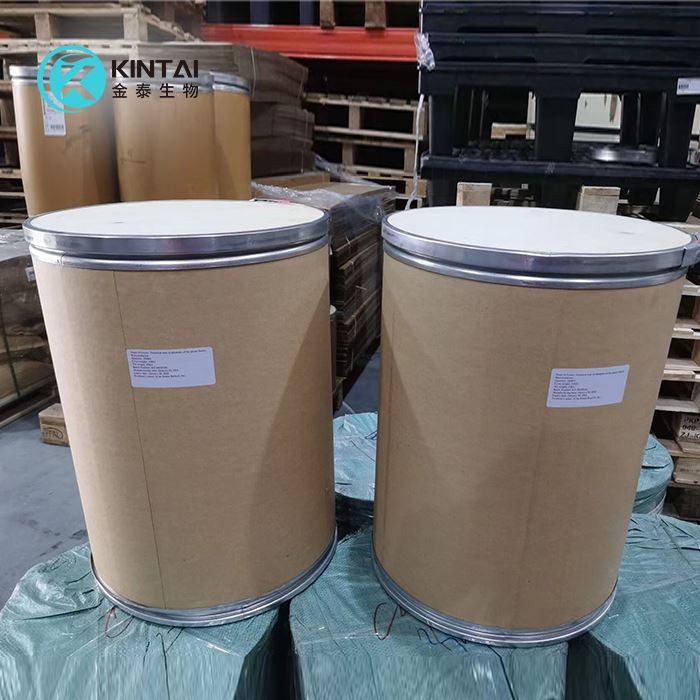
Soapnut powder is more stable in terms of storage. It can be stored in a dry, cool place in a sealed container for a long time. However, it is important to keep it away from moisture, as moisture can cause the powder to clump and lose its effectiveness.
Applications
Household Cleaning
In household cleaning, soapnut extract can be used in a variety of ways. It can be added to a bucket of water for mopping floors, or used to clean windows, countertops, and bathroom fixtures. Its strong cleaning power and easy solubility make it a versatile cleaning agent for the home.
Soapnut powder can also be used for household cleaning. It can be used to make a homemade all - purpose cleaner by mixing it with water and a few drops of essential oils. However, due to its slower dissolving time, it may be more suitable for less - frequent cleaning tasks or for use in areas where a more natural and gentle cleaning approach is desired.
Personal Care
Soapnut extract is widely used in the personal care industry. It is a popular ingredient in natural shampoos, body washes, and facial cleansers. Its high foaming ability and gentle nature make it suitable for sensitive skin and hair. It can help to clean the hair and skin without stripping away the natural oils.
Soapnut powder can also be used for personal care. It can be used as a natural hair cleanser by making a paste with water and applying it to the hair. However, its use in personal care products may be limited due to its potential to leave behind residue and its less - consistent saponin content.

Cost - Effectiveness
The cost of soapnut extract and soapnut powder can vary depending on the brand, quality, and quantity. Generally, soapnut extract may be more expensive per unit volume compared to soapnut powder. This is because the extraction process of soapnut extract is more complex and requires more resources.
However, when considering cost - effectiveness, it is important to take into account the cleaning performance and the amount needed for each application. Since soapnut extract is more concentrated and has stronger cleaning power, you may need to use less of it to achieve the same cleaning results as soapnut powder. In some cases, this can make soapnut extract more cost - effective in the long run.
Conclusion
In summary, both soapnut extract and soapnut powder have their own unique characteristics and advantages. Soapnut extract offers higher saponin concentration, better solubility, stronger cleaning performance, and greater convenience, but it may be more expensive. Soapnut powder, on the other hand, is a more natural and affordable option, but it requires more preparation and may have some limitations in terms of solubility and consistency.
As a soapnut extract supplier, I recommend soapnut extract for applications where a high - performance, easy - to - use cleaning agent is required, such as in commercial cleaning or in high - end personal care products. However, if you are looking for a more budget - friendly and natural option for home use, soapnut powder may be a good choice.
If you are interested in purchasing soapnut extract or have any questions about its applications, please feel free to contact me for more information and to discuss your specific needs. We also offer other high - quality plant extracts such as Sophora Root Extract, Green Coffee Bean Extract Powder Chlorogenic Acid, and Vine Tea Extract Dihydromyricetin.
References
- "Natural Cleaning Agents: Properties and Applications" by John Smith, published in the Journal of Natural Cleaning Research, 2020.
- "The Chemistry of Saponins in Soapnuts" by Jane Doe, published in the Journal of Plant Chemistry, 2019.
- "Soapnut - Based Products: A Review" by Robert Johnson, published in the International Journal of Sustainable Cleaning, 2021.