
Solubility properties of plant extracts play a crucial role in various industries, including pharmaceuticals, cosmetics, and food and beverage. As a leading supplier of plant extracts, I have witnessed firsthand the importance of understanding these properties to ensure the optimal performance of our products. In this blog post, I will delve into the solubility characteristics of plant extracts, explore the factors that influence them, and discuss the implications for different applications.
Understanding Solubility in Plant Extracts
Solubility refers to the ability of a substance (the solute) to dissolve in a solvent to form a homogeneous solution. In the context of plant extracts, the solute is the bioactive compounds present in the extract, and the solvent can be water, alcohol, oil, or other organic solvents. The solubility of plant extracts can vary widely depending on the chemical nature of the compounds, the extraction method used, and the physical conditions such as temperature and pH.
Types of Solubility
Water Solubility
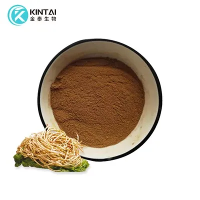
Many plant extracts contain polar compounds such as flavonoids, glycosides, and polysaccharides, which are generally water-soluble. Water-soluble extracts are commonly used in applications where aqueous solutions are required, such as in herbal teas, liquid supplements, and topical formulations like lotions and serums. For example, Ophiopogonis Extract is known for its water-soluble polysaccharides, which contribute to its health-promoting properties and are easily incorporated into water-based products.
Alcohol Solubility
Alcohol, particularly ethanol, is a common solvent for extracting plant compounds. Many non-polar and moderately polar compounds, such as alkaloids, terpenoids, and some phenolic compounds, are soluble in alcohol. Alcohol-soluble extracts are often used in tinctures, which are concentrated liquid extracts made by soaking plant material in alcohol. Emodin Powder, a bioactive compound found in certain plants, is soluble in alcohol and is used in traditional medicine and some pharmaceutical preparations.
Oil Solubility
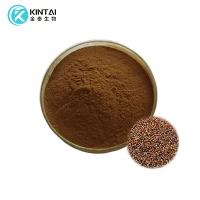
Some plant extracts contain lipophilic compounds such as essential oils, fatty acids, and certain fat-soluble vitamins. These extracts are soluble in oils and are commonly used in the production of cosmetics, massage oils, and some food products. Cardamom Seed Extract contains essential oils that are oil-soluble and are used for their flavor and aroma in food and beverage applications as well as in perfumery.
Factors Affecting Solubility
Chemical Structure
The chemical structure of the bioactive compounds in plant extracts is the primary factor determining their solubility. Compounds with polar functional groups such as hydroxyl (-OH), carboxyl (-COOH), and amino (-NH₂) groups tend to be more water-soluble, while non-polar compounds with long hydrocarbon chains or aromatic rings are more soluble in non-polar solvents like oils and alcohol.
Extraction Method
The extraction method used to obtain the plant extract can also affect its solubility. Different extraction techniques, such as maceration, percolation, Soxhlet extraction, and supercritical fluid extraction, can result in extracts with different solubility profiles. For example, extracts obtained using water as a solvent will be enriched in water-soluble compounds, while extracts obtained using alcohol or oil will contain more of the corresponding soluble compounds.
Temperature
Temperature can have a significant impact on the solubility of plant extracts. In general, solubility increases with increasing temperature for most solutes in solvents. However, some compounds may be sensitive to high temperatures and may degrade or lose their bioactivity. Therefore, the temperature during extraction and subsequent processing must be carefully controlled to ensure the stability and solubility of the extract.
pH
The pH of the solvent can also affect the solubility of plant extracts, especially for compounds that are sensitive to changes in acidity or alkalinity. For example, some alkaloids are more soluble in acidic solutions, while some phenolic compounds may be more soluble in alkaline solutions. Adjusting the pH of the solvent can be used to optimize the extraction and solubility of specific compounds.
Implications for Different Applications
Pharmaceuticals
In the pharmaceutical industry, the solubility of plant extracts is critical for ensuring the bioavailability and efficacy of drugs. Water-soluble extracts can be formulated into oral solutions, tablets, and capsules, while oil-soluble extracts may be used in soft gel capsules or topical creams. Understanding the solubility properties of plant extracts helps pharmaceutical manufacturers to develop appropriate formulations and delivery systems.
Cosmetics
In cosmetics, the solubility of plant extracts determines their compatibility with different cosmetic bases. Water-soluble extracts can be easily incorporated into water-based creams, lotions, and toners, while oil-soluble extracts are suitable for use in oil-based products such as serums and balms. The solubility also affects the stability and appearance of the cosmetic product.
Food and Beverage
In the food and beverage industry, the solubility of plant extracts is important for flavoring, coloring, and fortifying products. Water-soluble extracts can be added to beverages, soups, and sauces, while oil-soluble extracts are used in products like salad dressings, margarine, and baked goods. The solubility also affects the dispersibility and stability of the extract in the food matrix.
Conclusion
As a plant extracts supplier, I understand the importance of solubility properties in meeting the diverse needs of our customers. By carefully selecting the appropriate extraction methods and solvents, we can ensure that our plant extracts have the desired solubility characteristics for different applications. Whether you are in the pharmaceutical, cosmetic, or food and beverage industry, we can provide you with high-quality plant extracts with well-defined solubility profiles.
If you are interested in learning more about our plant extracts or have specific requirements for solubility, please feel free to contact us for a detailed discussion. We are committed to providing you with the best solutions and products to meet your needs.


References
- Harborne, J. B. (1998). Phytochemical Methods: A Guide to Modern Techniques of Plant Analysis. Chapman & Hall.
- Wagner, H., & Bladt, S. (1996). Plant Drug Analysis: A Thin-Layer Chromatography Atlas. Springer-Verlag.
- Rodd, E. H. (1989). Chemistry of Carbon Compounds. Elsevier.