
Hey there! I'm a supplier of Chinese herbs, and I'm stoked to share with you how Chinese herbs are prepped for consumption. Chinese herbs have been around for ages, offering all sorts of health benefits. And the way they're prepared is super important to make the most of their goodness.
1. Harvesting and Initial Cleaning
First off, it all starts with harvesting. Chinese herbs are usually picked at the right time of the year. For example, some herbs are best harvested in the spring when their nutrients are at a peak, while others are better in the fall. Each herb has its own sweet - spot for harvesting.
Once they're harvested, the next step is cleaning. The freshly picked herbs are gently washed to get rid of dirt, debris, and sometimes pests. It's a delicate process because we don't want to damage the herbs. We use clean water and make sure to be gentle with them. Some herbs might be a bit more fragile, so we have to take extra care.
2. Drying Process
After cleaning, most Chinese herbs go through a drying process. Drying is crucial as it helps preserve the herbs for a longer time and also concentrates their active ingredients. There are a few ways to dry herbs.
One common method is sun - drying. The herbs are spread out on large trays or mats and left under the sun. It's a natural and cost - effective way. But it does depend on the weather. If it's a sunny and dry day, the herbs dry pretty well. For instance, Dried Marshmallow Leaf can be sun - dried. The warm sun slowly removes the moisture from the leaves, making them ready for storage.
Another way is using a dryer. This is more controlled. We can set the temperature and humidity levels to ensure that the herbs dry evenly. It's especially useful when the weather isn't cooperating for sun - drying. For delicate herbs, a dryer can prevent over - drying and potential loss of nutrients.
3. Sorting and Screening
Once the herbs are dry, they need to be sorted. This is to make sure that only the good - quality parts are used. We remove any discolored, damaged, or moldy pieces. Workers carefully go through the dried herbs, picking out the unwanted bits.
After sorting, the herbs go through screening. A series of sieves with different mesh sizes are used. This helps separate the herbs according to their size and make the final product more uniform. For example, if we have Dried Ginkgo Biloba Leaves, screening will ensure that the leaves are of a similar size, which is important for consistent dosing if they're used in herbal products.
4. Processing into Different Forms
Decoctions
Decoctions are a classic way of using Chinese herbs. To make a decoction, you take the dried herbs and put them in a pot with water. You bring it to a boil and then let it simmer for a while. The heat extracts the active ingredients from the herbs into the water. For example, if you're using Angelica (like Angelica Head), you can make a decoction by simmering it for about 30 minutes to an hour. Once it's done, you strain the liquid, and you have a herbal decoction that you can drink.
Powders
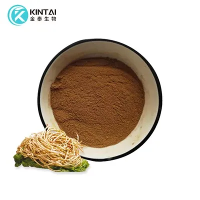
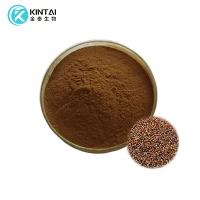
Herbs can also be made into powders. First, the dried and sorted herbs are crushed and then milled into a fine powder. This powder can be used in different ways. You can mix it with water and drink it like a tea, or you can add it to your food. Making powders allows for easy storage and accurate dosing. For example, if you don't like the taste of a certain herb in its whole form, having it as a powder makes it easier to consume.


Pills and Capsules
In modern times, many Chinese herbs are processed into pills or capsules. The powdered herbs are mixed with a binding agent, formed into little pills, or filled into capsules. This is a convenient way for people to take herbs, especially if they're on the go. You just take a pill or a capsule with some water, and you're good to go.
Extracts
Herbal extracts are concentrated forms of Chinese herbs. There are different types of extracts, like alcohol - based extracts and water - based extracts. To make an extract, the herbs are soaked in a solvent (either alcohol or water) for a certain period. The solvent extracts the active ingredients from the herbs. Then, the liquid is filtered and sometimes further concentrated. Extracts are more potent than other forms and are often used when a stronger effect is needed.
5. Quality Control
Throughout all these steps, quality control is super important. We test the herbs for things like purity, potency, and the presence of contaminants. For example, we check for heavy metals, pesticides, and microorganisms. This ensures that the herbs we supply are safe and effective for consumption.
We use advanced testing equipment and follow strict industry standards. We also keep detailed records of the entire production process, from harvesting to the final product. This way, if there's ever any issue, we can trace back and find out what went wrong.
6. Packaging
Once the herbs are processed into their final forms, they're ready for packaging. The packaging needs to protect the herbs from moisture, light, and air. For decoction liquids, they're often put in sealed bottles or sachets. Powders might come in foil - lined bags or jars. Pills and capsules are usually packed in blister packs or bottles.
Good packaging also has information about the herbs, like their name, how to use them, and any precautions. This helps the consumers use the herbs correctly.
Why Choose Our Chinese Herbs?
As a Chinese herb supplier, I'm really proud of the products we offer. We follow traditional methods of preparation, but we also use modern technology to ensure the best quality. Our herbs are sourced from reliable growers, and we have a strict quality - control process.
Whether you're a herbal tea lover, someone who uses herbs for health reasons, or a business looking to buy in bulk, we've got you covered. We can provide a wide range of Chinese herbs in different forms, from raw dried herbs to processed products like extracts and pills.
If you're interested in purchasing our Chinese herbs, whether it's for personal use or for your business, don't hesitate to reach out. We're always happy to discuss your needs, answer any questions you might have, and work out the best deal for you.
Let's start a conversation and see how our high - quality Chinese herbs can meet your requirements.
References
- Chinese Herbal Medicine: Materia Medica, Bensky, D., Clavey, S., & Stoger, E.
- The Complete Book of Chinese Health and Healing, Wiseman, N., & Ellis, A.